
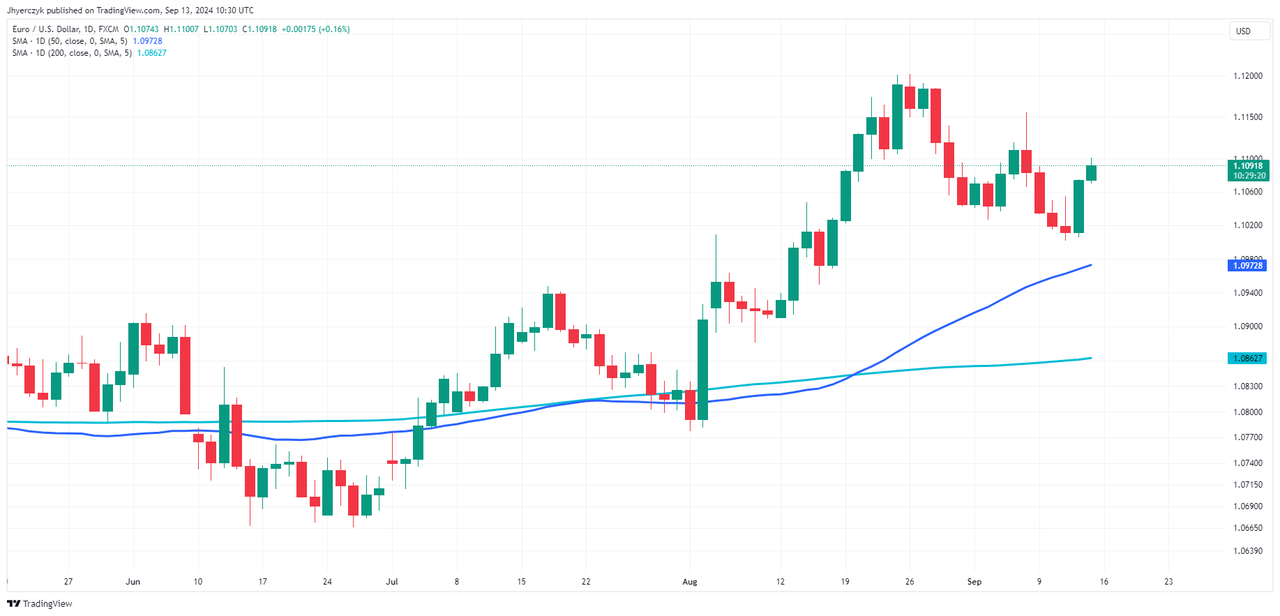

Daily EUR/USD
This contrast in monetary strategies, coupled with varying economic outlooks and inflation concerns on both sides of the Atlantic, creates a complex landscape for currency markets. As the Fed grapples with persistent inflation despite recent improvements, and the ECB navigates sluggish growth in the Eurozone, the pace and timing of rate cuts by both central banks will be crucial in shaping the near-term direction of the EUR/USD pair.
Experts trade the markets with IC Markets
Trading Derivatives carries a high level of risk to your capital and you should only trade with money you can afford to lose. Trading Derivatives may not be suitable for all investors, so please ensure that you fully understand the risks involved, and seek independent advice if necessary. A Product Disclosure Statement (PDS) can be obtained either from this website or on request from our offices and should be considered before entering into a transaction with us. Raw Spread accounts offer spread
- Both Cut Rates Slowly: If both banks opt for slow, cautious cuts, the impact on EUR/USD could be muted. The exchange rate might trade in a narrow range, with neither currency having a distinct yield advantage. The euro could face pressure if Eurozone growth remains sluggish compared to the U.S.
- Fed Cuts Slowly, ECB Accelerates Easing: If the Fed slows its rate-cutting due to inflation while the ECB accelerates cuts, EUR/USD could trend downward. A slower Fed could keep the U.S. dollar strong, while ECB cuts would signal concerns about Eurozone growth, weighing on the euro.
- Fed Cuts Quickly, ECB Stays on Hold: If the Fed surprises with aggressive cuts while the ECB maintains caution, the euro could strengthen significantly. However, a stronger euro would challenge Eurozone growth, potentially forcing the ECB to respond with rate cuts.
- ECB Slow to Ease, Eurozone Economy Falters: If the ECB is too slow in cutting rates while the Eurozone economy deteriorates, the euro could face downward pressure regardless of Fed action. This scenario might lead to a loss of confidence in the ECB’s ability to support growth.
 Chat now!
Add a Comment