
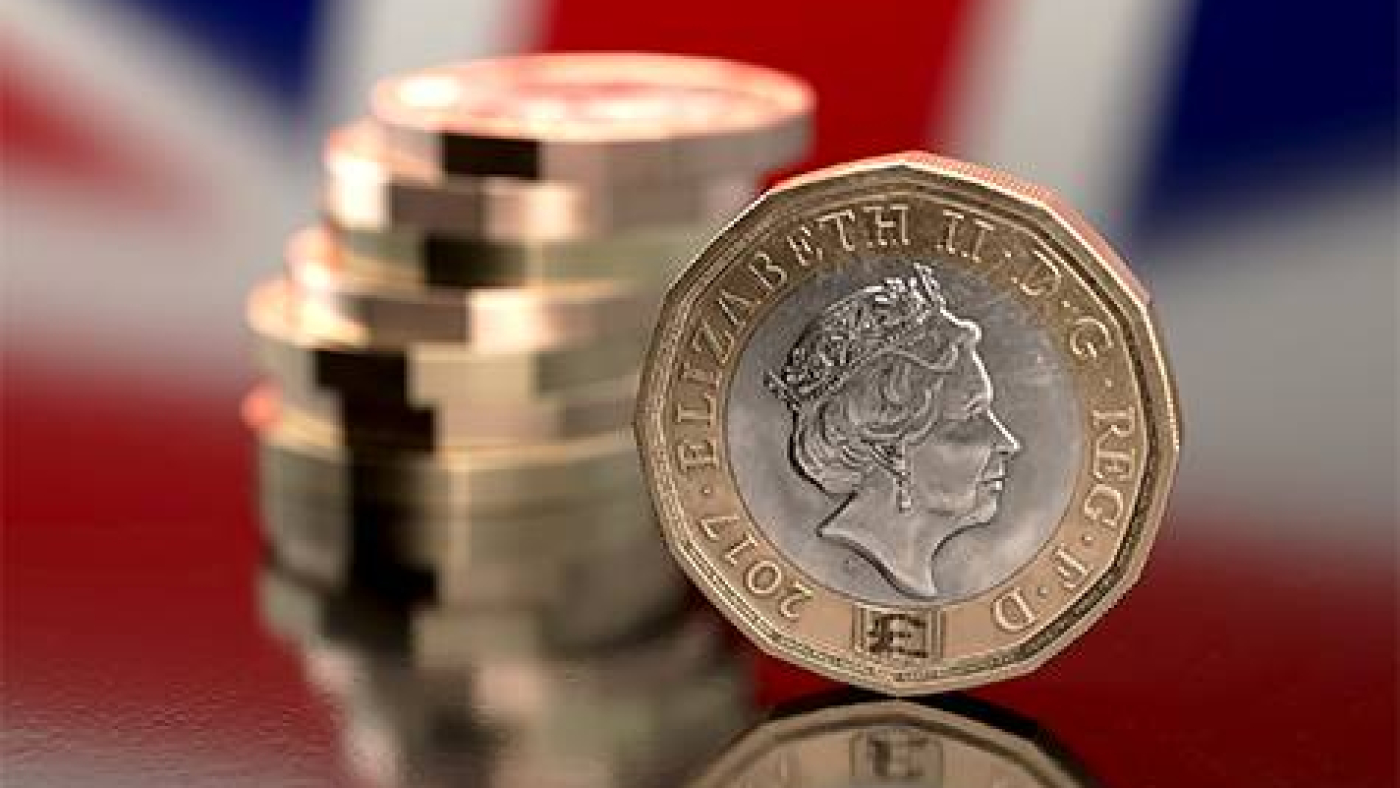
The British pound fell against the euro and weakened versus the dollar on Monday, as traders reacted to the crisis facing UK Prime Minister Sir Keir Starmer, alongside the impact of expectations for future interest rate cuts on the currency.
Morgan McSweeney, Starmer’s chief of staff, resigned on Sunday, saying he took responsibility for advising the prime minister to appoint Peter Mandelson as ambassador to the United States despite his known links to Jeffrey Epstein.
Even so, Starmer remains under growing pressure as the fallout from the Epstein case continues and difficult local elections approach.
The euro rose 0.49% in the latest trading against the pound to 87.22 pence, close to a two-week high, although the European currency remains broadly stable against sterling since the start of the year.
Against the dollar, the pound slipped slightly to $1.3607 after falling about 0.2% earlier in the session.
Politics in focus for UK assets
UK government bonds slightly underperformed their European peers on Monday, with markets focused on Starmer’s position, though moves remained limited.
Many bond investors fear that a new Labour prime minister could shift toward more left-leaning policies and higher spending, while currency markets typically dislike political instability.
The government now faces the possibility of publishing near-complete private correspondence between officials regarding Mandelson’s appointment, in what could prove politically embarrassing.
A by-election in Manchester later this month, along with local elections in May, could also deliver another blow to Starmer’s leadership.
Chris Turner, head of global markets at ING, said pressure is expected to continue on both sterling and UK government bonds amid market speculation about possible changes in the occupants of 10 and 11 Downing Street, referring to the prime minister and finance minister. He added that, alongside the dovish tone seen at last week’s Bank of England meeting, the pound is under pressure.
Diverging rate-cut bets
Sterling was also affected by the Bank of England’s decision last week to keep interest rates unchanged, with a closer-than-expected vote split that pushed traders to increase bets on further cuts this year.
By contrast, the European Central Bank is expected to keep rates steady for the foreseeable future, reducing the pound’s appeal versus the euro amid expectations of relatively lower yields.
Neil Jones, managing director of FX sales and trading at TJM Europe, said the pound appears set to continue its broader weak trend as political uncertainty rises.
Three-month risk reversals, which measure the cost difference between euro call options versus pound calls, rose to 67 basis points, the highest level since late November, up from 22 basis points on Thursday. A higher reading signals stronger bullish positioning in the euro versus the pound.
The euro also rose about 0.4% against the dollar on Monday. Some analysts noted that a Bloomberg report saying China advised banks to limit their holdings of US Treasuries added pressure on the dollar.
 Chat now!
Add a Comment