
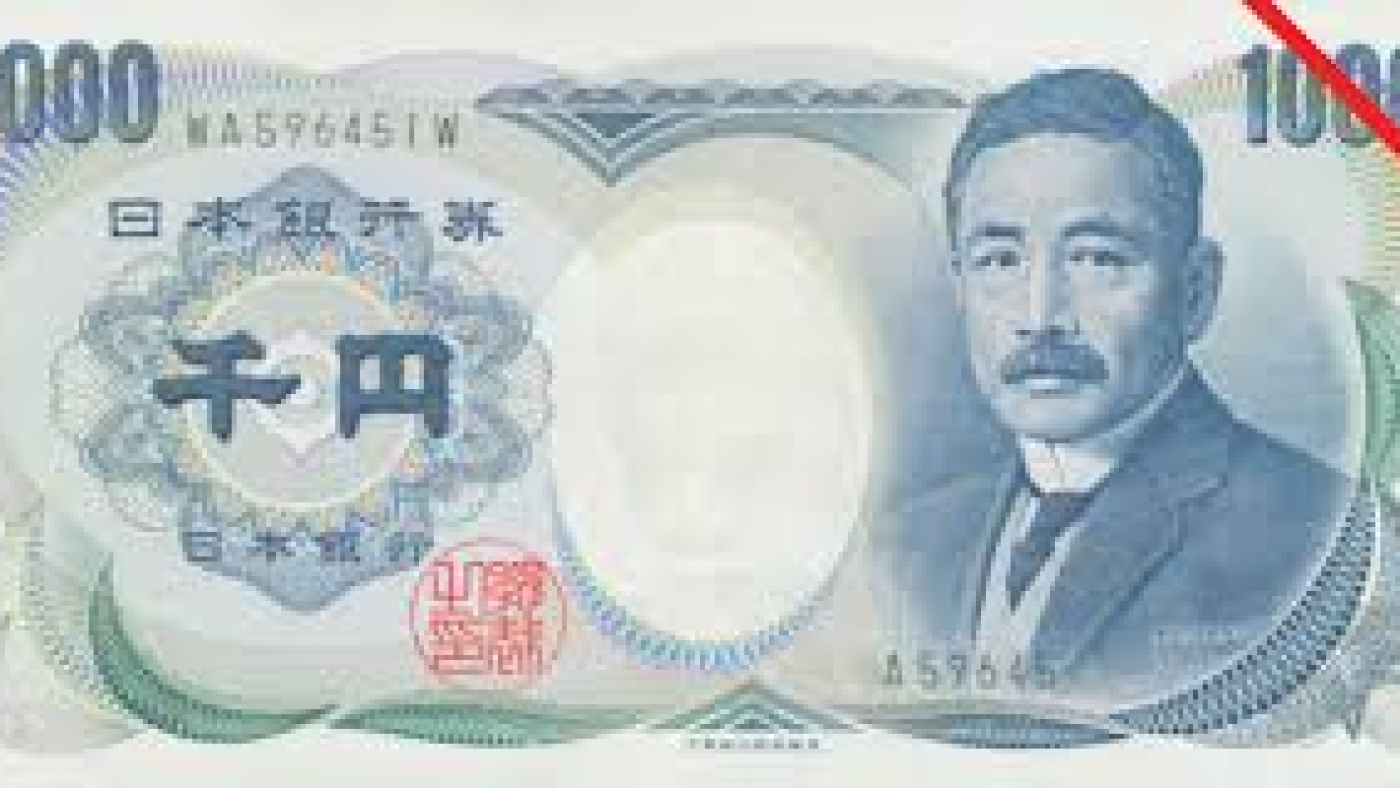
The Japanese yen declined in Asian trading on Friday against a basket of major and secondary currencies, extending its losses for a second consecutive day against the US dollar and approaching its lowest level in a week. The currency is on track for its biggest weekly loss this year, amid weakening expectations for a Japanese interest rate hike before next September.
The reduced likelihood of near-term monetary tightening in Japan is attributed to the expected expansionary fiscal policies of Prime Minister Sanae Takaichi, in addition to easing inflationary pressures on policymakers at the Bank of Japan.
Price Overview
The Japanese yen exchange rate today: the dollar rose against the yen by 0.2% to 155.31 yen, up from the opening level of 154.99 yen, while recording a session low of 154.87 yen.
The yen ended Thursday’s session down 0.15% against the dollar, marking its second consecutive daily loss, and recorded a one-week low of 155.34 yen, driven by strong Japanese investment spending in the United States.
Weekly trading
Over the course of this week’s trading, which officially concludes at today’s settlement, the Japanese yen has fallen by around 1.75% against the US dollar so far, putting it on track for its largest weekly loss this year, specifically since July 2025.
Core inflation
Data released today in Tokyo showed that Japan’s core consumer price index rose by 2.0% in January, the slowest pace since January 2024, in line with market expectations for a 2.0% increase, compared with a 2.4% rise in December.
These figures clearly indicate continued easing of inflationary pressures on policymakers at the Bank of Japan, reducing the chances of a Japanese interest rate hike during the first half of this year.
Views and analysis
Abhijit Surya, Chief Economist for Asia-Pacific at Capital Economics, said today’s data is unlikely to create a sense of urgency at the Bank of Japan to resume its monetary tightening cycle, particularly amid weak economic activity in the last quarter.
Surya added that if recent weakness proves temporary, and wage growth improves while underlying price pressures remain relatively firm, there is still a strong case for the bank to raise interest rates again in June.
Japanese interest rates
Following the above data, market pricing for a quarter-point interest rate hike by the Bank of Japan at its March meeting dropped from 10% to 3%.
Pricing for a quarter-point rate hike at the April meeting also declined from 50% to 30%.
According to the latest Reuters poll, the Bank of Japan may raise interest rates to 1% in September.
Investors are now awaiting further data on inflation, unemployment, and wage levels in Japan to reassess those expectations.
 Chat now!
Add a Comment