
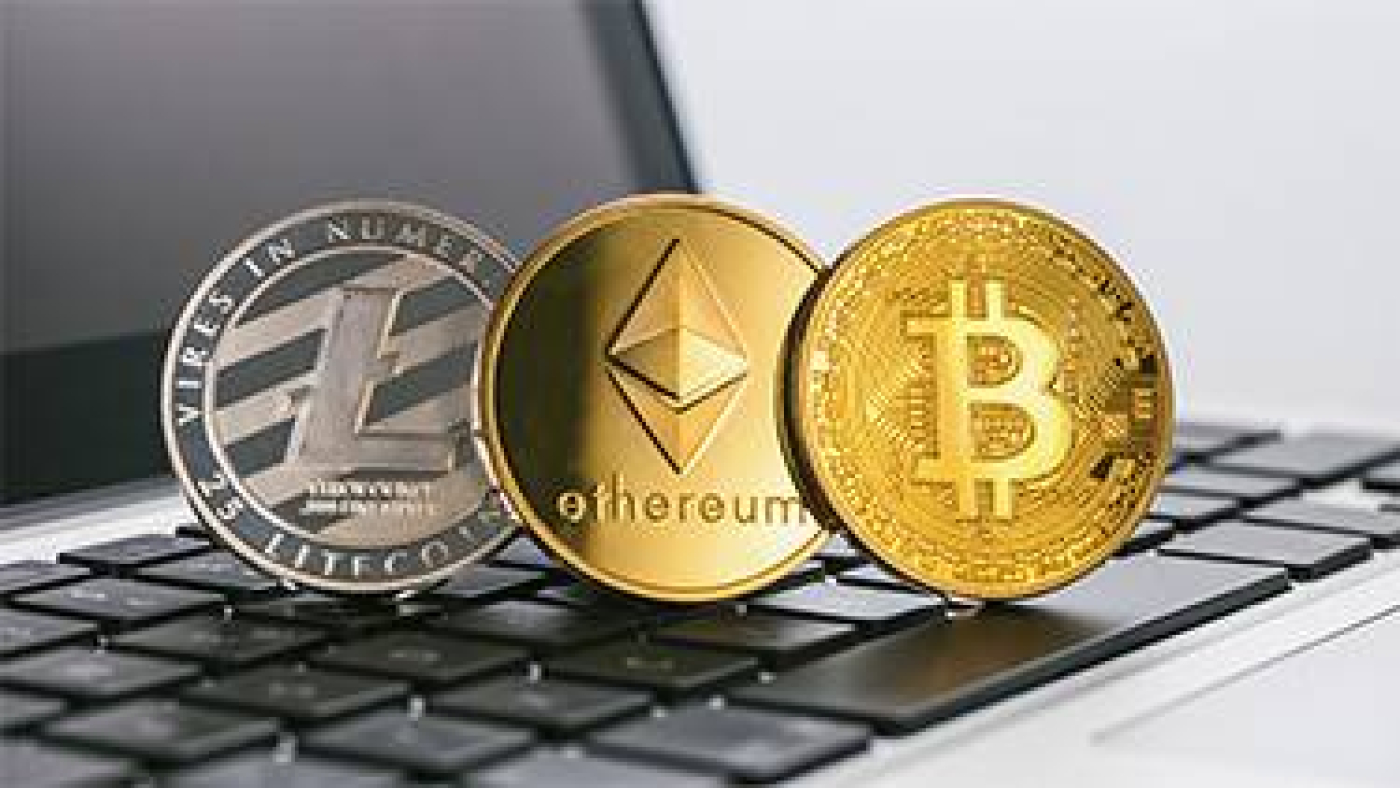
Ethereum jumped above the $2,200 level, reaching its highest level since February 4 as the broader cryptocurrency market continued to rise. This development marks a significant milestone for the world’s second-largest digital asset by market value and reflects renewed momentum across the cryptocurrency sector.
Ethereum’s rally has attracted wide attention among investors and analysts, as the recovery in its price reflects growing confidence in the digital asset market. The development was widely discussed after being posted by the Coin Bureau account on the X platform and was later confirmed by the Hokanews editorial team as part of its ongoing coverage of cryptocurrency market movements.
Ethereum’s rise above $2,200 comes at a time when the market is experiencing a broader upswing that has lifted several major cryptocurrencies, suggesting a potential shift in investor sentiment toward a more optimistic outlook for the sector.
Ethereum and the key price level
Breaking above the $2,200 level represents an important psychological and technical milestone for Ethereum traders. Markets often react strongly when assets approach price levels that were previously associated with major turning points. In this case, Ethereum’s return to its February levels has renewed interest among both retail and institutional investors.
Technical analysts closely monitor such levels because they can act as support or resistance zones. When prices break through these levels, it may signal strengthening buying momentum and is sometimes interpreted as a sign that market sentiment is turning positive after a period of consolidation. Ethereum’s recent performance reflects increased demand for the asset amid signs of renewed activity in the broader cryptocurrency market.
Ethereum’s role in the digital ecosystem
Ethereum is considered a central platform within the digital asset ecosystem. Unlike Bitcoin, which mainly functions as a store of value and digital currency, Ethereum provides a programmable blockchain network that supports decentralized applications.
Developers use the Ethereum network to build smart contracts, decentralized finance platforms, and blockchain-based applications. The network has become the foundation for a large portion of the decentralized finance sector, including lending platforms, decentralized exchanges, and digital asset trading protocols. Ethereum is also widely used to create and trade non-fungible tokens representing ownership of digital art, collectibles, and other assets. Because of these widespread applications, Ethereum’s price movements often reflect broader trends within the cryptocurrency industry.
Renewed market momentum
The broader cryptocurrency market has seen renewed upward momentum in recent weeks, with several major digital assets recording price increases as investors return after periods of volatility. Analysts point to several factors that may be contributing to the renewed activity, including growing interest from financial institutions in digital assets and improving regulatory clarity in several regions, which reduces uncertainty and encourages greater exposure to cryptocurrencies. Ethereum’s move above $2,200 reflects this broader improvement in market sentiment.
Institutional participation in Ethereum markets
Institutional investors have recently begun exploring opportunities within the Ethereum ecosystem more actively. Although Bitcoin has historically dominated institutional portfolios, Ethereum has gained increasing recognition for its role in powering decentralized applications and financial infrastructure. Several investment firms have introduced financial products that provide exposure to Ethereum, allowing institutional investors to participate in price movements without directly managing digital wallets. Institutional demand can significantly influence market dynamics, as large investment flows increase liquidity and help support price stability over time.
Technological development of Ethereum
The Ethereum network has undergone significant technological developments since its launch, most notably the transition from the proof-of-work mechanism to the proof-of-stake system. This shift significantly reduced energy consumption and introduced new mechanisms for securing the blockchain. Under proof-of-stake, participants can stake their Ethereum holdings to help validate transactions and maintain network security in exchange for rewards. This transition has been widely viewed as a major step toward improving Ethereum’s scalability and long-term sustainability, while ongoing upgrades focus on enhancing transaction efficiency and reducing costs for users.
Importance of decentralized finance
Ethereum remains the dominant platform for decentralized finance applications, which include blockchain-based financial services operating without traditional intermediaries such as banks. These systems allow users to borrow, lend, trade, and earn interest on digital assets through smart contracts. The growth of decentralized finance has significantly strengthened Ethereum’s importance within the cryptocurrency ecosystem, as many of the most widely used protocols operate on the Ethereum blockchain. As activity in these applications increases, demand for Ethereum tends to rise as well.
Global adoption of Ethereum technology
Ethereum’s applications extend beyond finance, as its technology is being explored in various sectors including digital identity, supply chain management, and asset tokenization. Some governments and central banks are also studying blockchain technologies inspired by Ethereum’s architecture, highlighting Ethereum’s evolution from a digital currency into a broader technological platform. As adoption continues, the long-term growth of the network remains a key focus for industry observers.
Market volatility
Despite the recent rise, analysts warn that cryptocurrency markets remain highly volatile, with prices capable of reacting sharply to regulatory announcements, technological developments, and shifts in global economic conditions. Experienced investors emphasize the importance of focusing on long-term fundamentals rather than reacting to short-term price movements. Nevertheless, Ethereum’s move above the $2,200 level represents an important moment for traders monitoring the market.
Upcoming outlook and expectations
Analysts are closely watching whether Ethereum can maintain its upward momentum after breaking this price threshold. Key indicators include trading volume, institutional flows, activity on decentralized finance platforms, and the performance of the broader market and major cryptocurrencies such as Bitcoin, which often influence overall market sentiment.
The future of Ethereum
Ethereum’s long-term future depends on several factors, including technological upgrades, ecosystem growth, and broader adoption of cryptocurrencies. Developers continue working on improvements aimed at enhancing the network’s ability to support large-scale applications and higher transaction volumes, alongside the expansion of Web 3.0 technologies that could increase demand for decentralized infrastructure. Ethereum remains one of the leading platforms supporting this emerging digital ecosystem, and as adoption expands, the network could play an increasingly important role in shaping the future of digital finance and decentralized technology.
 Chat now!
Add a Comment