
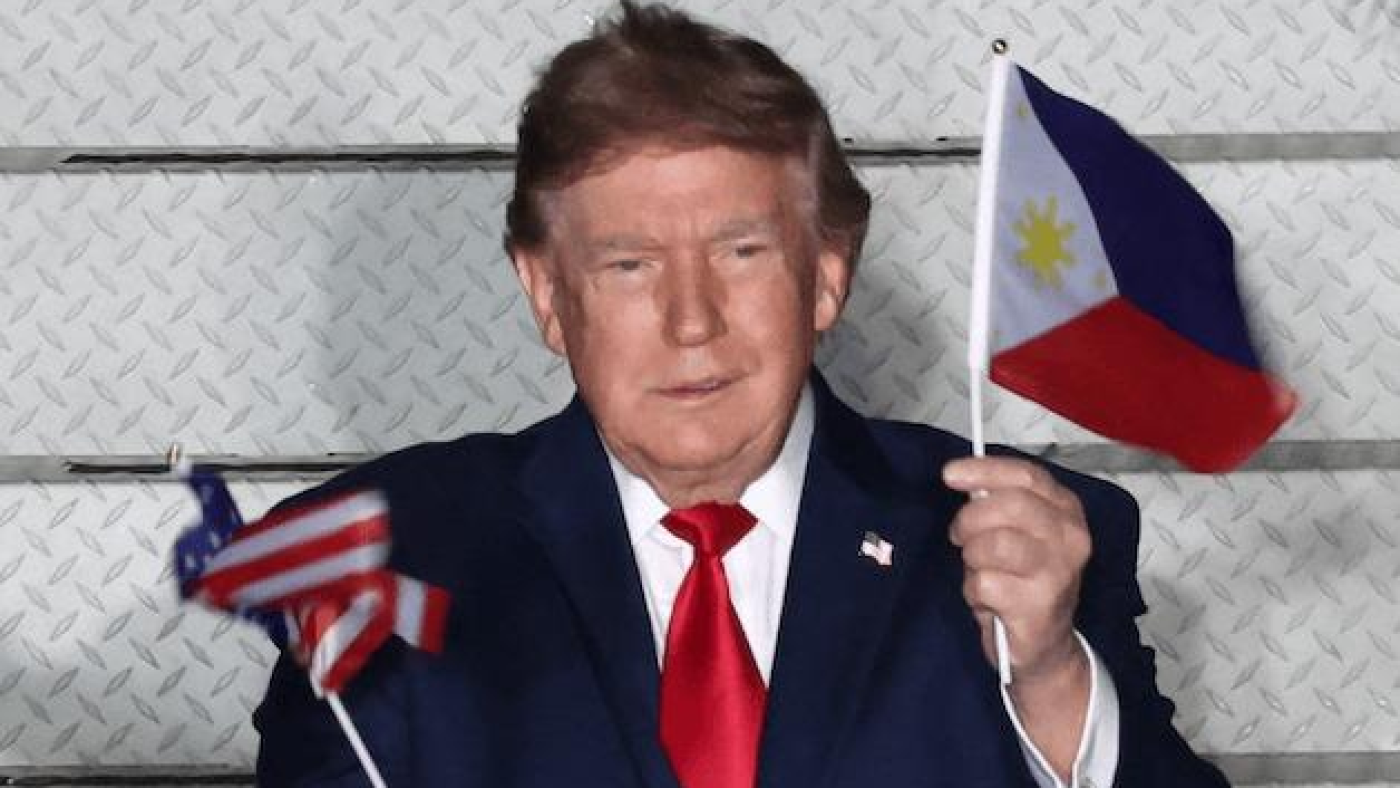
US President Donald Trump concluded the main diplomatic engagements of his Asian tour on Thursday, November 19, following an unprecedented trilateral summit with Chinese President Xi Jinping and Russian President Vladimir Putin in the southern Chinese city of Shenzhen.
The meeting, held on the sidelines of the Asia-Pacific Economic Cooperation summit, came amid mounting concerns about global economic growth, persistent inflationary pressures and escalating geopolitical tensions in Eastern Europe and the Middle East.
Despite the relatively positive diplomatic atmosphere, the summit failed to produce major breakthroughs on several issues of particular importance to global financial markets, including trade restrictions, semiconductor exports and the ongoing military conflicts in Ukraine and Iran.
Shenzhen declaration
The three leaders issued a joint peace declaration covering four main areas: nuclear risk reduction, United Nations reform, global energy security and diplomatic immunity.
The United States, China and Russia pledged to cooperate in increasing the production and supply of refined petroleum products, although no specific production targets or implementation timetable were announced.
The leaders also agreed to maintain dialogue on reducing nuclear risks, without announcing a formal agreement on limiting their nuclear arsenals.
US-China trade relations
Trump held separate talks with Xi Jinping covering bilateral trade relations and access to critical minerals.
However, the meetings produced no major announcements regarding additional tariff reductions or the relaxation of American restrictions on advanced semiconductor exports to China.
Trump also announced progress on trade agreements with Thailand and the Philippines, although important details remain subject to further negotiations.
The absence of a comprehensive economic agreement between Washington and Beijing represents a potential disappointment for investors seeking greater certainty regarding global supply chains and international trade conditions heading into 2027.
Oil markets
The commitment to increasing global petroleum product supplies represents one of the summit’s most significant developments for commodity markets.
Any subsequent relaxation of restrictions on Russian energy exports could increase supplies available to international markets, putting additional downward pressure on oil prices.
However, the absence of tangible progress toward resolving the conflict with Iran means that risks associated with oil shipments through the Strait of Hormuz remain elevated.
Lower energy prices would help ease inflationary pressures across major economies and potentially reduce the need for further monetary tightening.
Stock markets
Semiconductor manufacturers and major technology companies stand to benefit considerably from any future easing of US-China trade and technology restrictions.
Improved access to Chinese markets could support corporate revenues, particularly at a time when investors are increasingly concerned about artificial intelligence valuations and the profitability of massive infrastructure investments.
Nevertheless, the absence of immediate concessions means that global equities remain vulnerable to renewed trade tensions and rising borrowing costs.
US dollar and gold
A sustained improvement in relations between the three major powers could gradually reduce demand for safe-haven assets, particularly the US dollar and gold, while supporting emerging market currencies.
However, lower energy prices could also weaken expectations of further US interest rate increases, potentially providing some support for precious metals through lower Treasury yields.
For now, the broader market implications of Trump’s Asian tour remain largely dependent on subsequent negotiations, particularly whether the political commitments announced in Shenzhen translate into concrete changes in trade restrictions, energy policies and international sanctions.
 Chat now!
Add a Comment