
China’s Sluggish Inflation Data Sparks Deflation Concerns
China’s economic challenges are becoming harder to ignore, with the latest data on consumer and producer prices raising serious concerns. Despite efforts to stimulate demand, the country is grappling with stubborn deflationary pressures, declining producer prices, and tepid consumer demand. Here are the key warning signs that point to a deeper problem in the world’s second-largest economy.
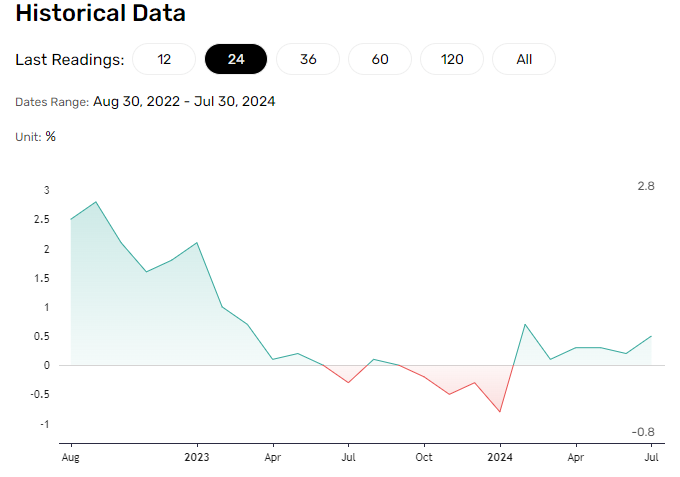
Weak CPI Growth Signals Low Demand
Experts trade the markets with IC Markets
Core inflation, which excludes food and energy prices, was also lackluster, rising only 0.3% year-on-year. This suggests that underlying inflationary pressures remain absent, further highlighting weak domestic consumption. Even as food prices surged, especially pork and vegetables, broader demand in non-food categories showed minimal growth.
PPI Decline Highlights Overcapacity
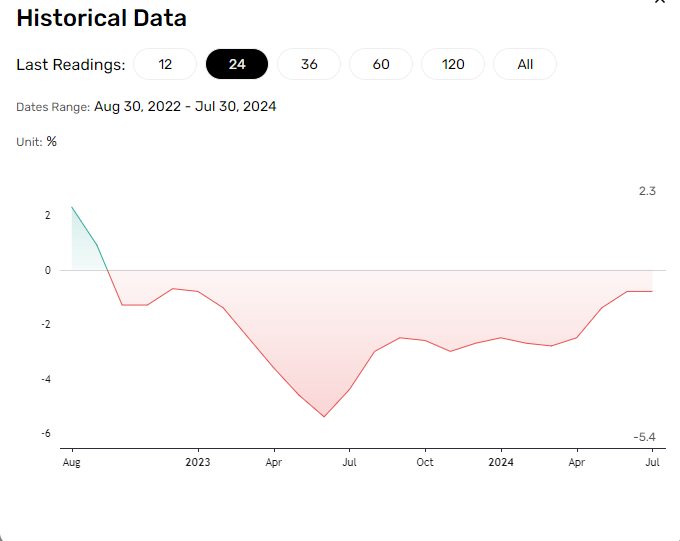
Persistent declines in the PPI indicate that businesses are struggling to maintain pricing power, which could lead to lower corporate earnings, reduced investment, and further pressure on the labor market. This deflationary cycle is reminiscent of Japan’s “lost decades,” where deflation and stagnation paralyzed the economy for years.
Deflation Fears Are Growing
Economists have raised concerns that China is at risk of entering a prolonged deflationary period, similar to Japan’s experience in the late 20th century. According to the South China Morning Post, former Bank of Japan Governor Haruhiko Kuroda warned that China must act swiftly to avoid this fate. He noted that deflation, once entrenched, can be extremely difficult to reverse, as seen in Japan, where wage stagnation and falling prices created a vicious cycle of weak demand and slow growth.
Former People’s Bank of China Governor Yi Gang echoed these concerns, also reported by South China Morning Post. He urged Beijing to focus on combating deflationary pressures with active fiscal and monetary policies. Yi emphasized the need to stimulate domestic demand, stabilize the real estate market, and address local government debt.
Stimulus May Be Too Little, Too Late
While Beijing has implemented a series of stimulus measures, including interest rate cuts and fiscal spending, the effects have been limited so far. The government’s shift toward consumption-led policies has yet to yield significant results, and many economists believe that current policies remain too focused on the supply side, failing to adequately address the demand shortfall.
Looking ahead, China’s economic prospects appear dim unless stronger action is taken to address these underlying issues. Without decisive intervention, the country risks sliding further into a deflationary trap that could stifle growth for years to come.
 Chat now!
Add a Comment