
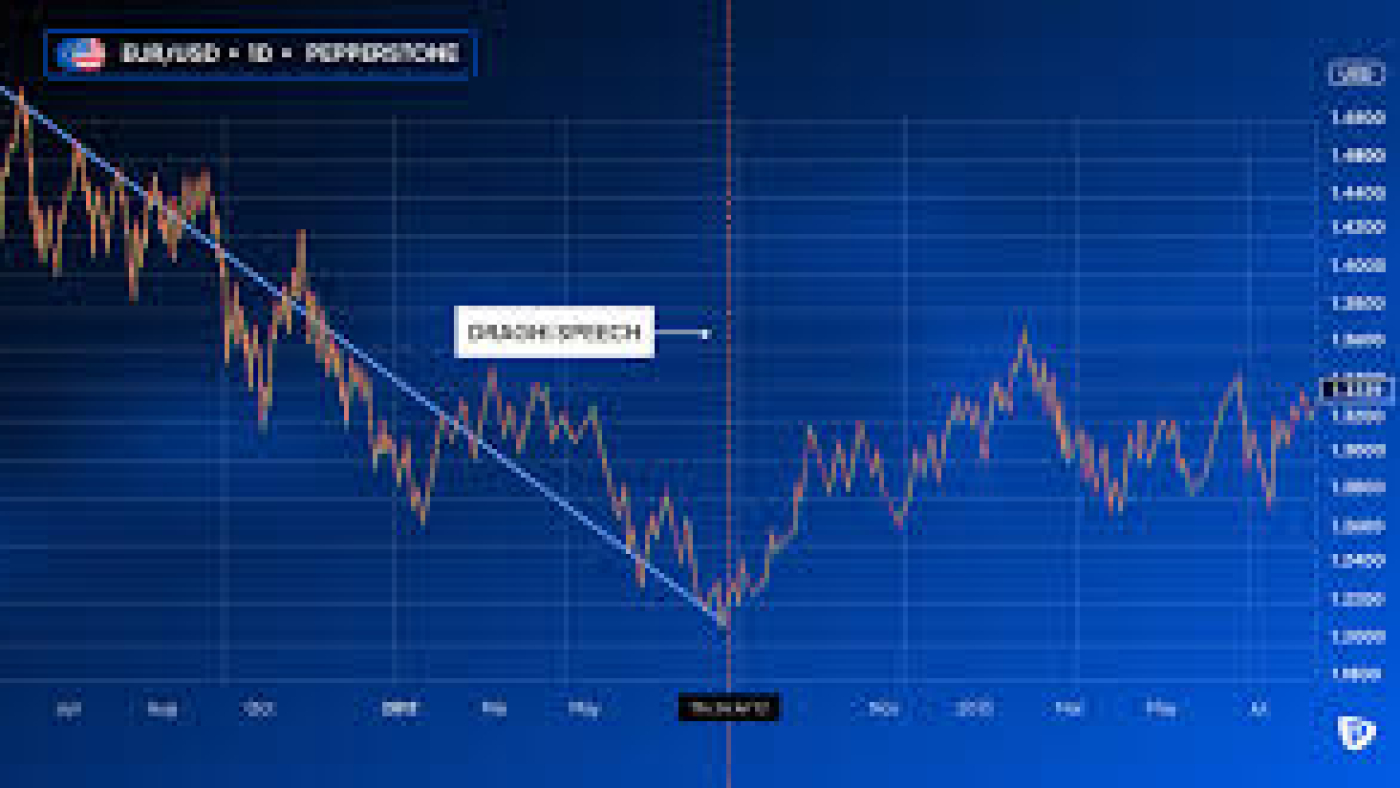
The euro rose in the European market on Thursday against a basket of global currencies, resuming gains that were briefly interrupted yesterday against the US dollar, and moving closer once again to its highest level in five years. This advance comes amid tense conditions dominating global foreign exchange markets, despite remarks from US Treasury Secretary Scott Bessent aimed at supporting exchange rate stability.
The euro’s gains are also being supported by the historic trade agreement between Europe and India, which has strengthened positive expectations for growth in the euro area. Beyond securing supply chains, the agreement opens access to the world’s largest consumer market for European mid-sized companies and the services sector, providing the European economy with additional protection against global trade shocks.
Price overview
• Euro exchange rate today: The euro rose 0.35% against the dollar to 1.1994, from an opening level of 1.1954, while recording a session low at 1.1950.
• The euro ended Wednesday’s session down 0.7% against the dollar, marking its first loss in five days, due to correction and profit-taking activity, after hitting a five-year high of 1.2083 the previous day.
US dollar
The US dollar index fell 0.3% on Thursday, resuming losses that had paused in the previous session, and approaching a four-year low at 95.55 points, reflecting renewed weakness in the US currency against a basket of major and minor currencies.
The dollar remains under sustained pressure, as comments from Treasury Secretary Scott Bessent failed to ease growing concerns over US economic policies and geopolitical moves.
On Wednesday, Bessent denied reports suggesting possible US intervention in currency markets, at a time when markets are watching closely for potential intervention in the Japanese yen and with the dollar trading near multi-year lows.
Bessent said: The United States has always pursued a strong dollar policy, but that policy means putting sound fundamentals in place. He added: If we have sound policies, capital will flow. We are working to reduce our trade deficit, and that will naturally strengthen the dollar over time.
On the monetary policy front, the Federal Reserve adopted a more optimistic stance on the US labor market and inflation risks on Wednesday, which investors interpreted as a signal that interest rates could remain unchanged for a longer period.
European economy
Thanks to the trade agreement with India, markets have become more optimistic about the outlook for the European economy. This strategic partnership helps diversify supply chains and expand the share of the services sector within a massive consumer market, supporting sustainable economic growth in Europe and reducing vulnerability to global trade disputes.
The European Union and India reached the historic trade agreement earlier this week after nearly 20 years of difficult negotiations. European Commission President Ursula von der Leyen described it as “the mother of all deals.”
European interest rates
• Money markets currently price a roughly 25% probability that the European Central Bank will cut interest rates by 25 basis points in February.
• Traders have recently adjusted expectations from rates remaining unchanged throughout the year to at least one rate cut of 25 basis points.
• To reassess these expectations, investors are awaiting further economic data from the euro area on inflation, unemployment, and wages.
Views and analysis
Ray Attrill, head of foreign exchange strategy at National Australia Bank, said Bessent’s comments came at an opportune time, and some might assume they were carefully planned, so to speak.
Attrill added that he believes the European Central Bank’s remarks are independent, but noted that the 1.20 level in EUR/USD appears to have acted as a trigger point.
He explained that the recent movement in the euro-dollar pair, which had not been particularly strong until recently, somewhat masks broader strength in the euro — a development that is likely to feed into the ECB’s inflation outlook.
 Chat now!
Add a Comment