
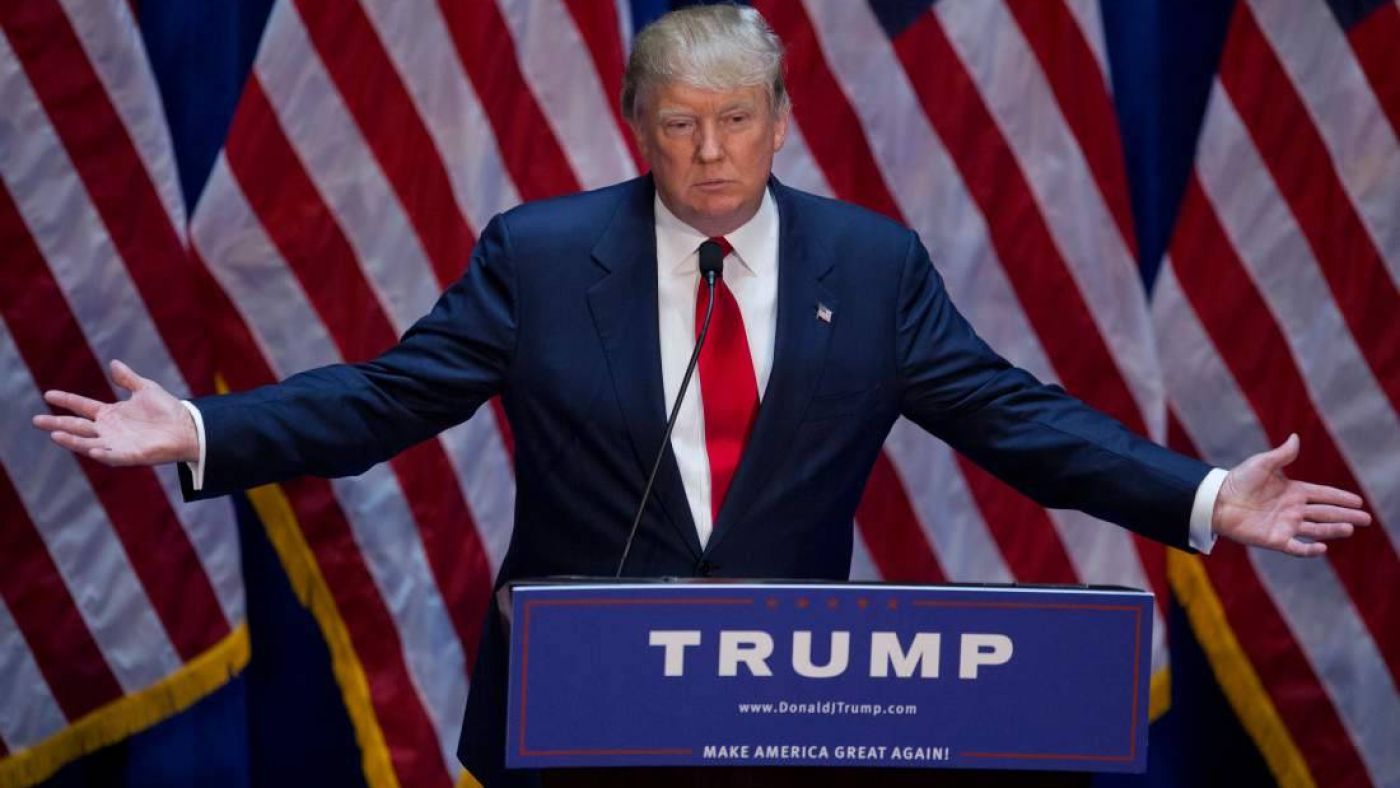
US President Donald Trump is preparing to use the US Navy to escort oil tankers through the Strait of Hormuz amid the intensifying war against Iran. However, ensuring safe passage for the large volume of shipping that normally moves through the waterway will be a major challenge.
CNBC reported that Wall Street analysts believe Brent crude could exceed $100 per barrel if the waterway remains closed for an extended period. At that level, elevated oil prices could push the global economy toward recession.
The narrow strait is the only route for tankers entering and leaving the Arabian Gulf. According to energy consultancy Kpler, more than 14 million barrels of crude oil per day passed through the strait in 2025, representing roughly one-third of the world’s seaborne oil shipments.
Around 100 vessels per day
Matt Smith, oil analyst at Kpler, said that about 100 tankers and cargo ships normally pass through the strait each day, while roughly 400 tankers are currently stranded in the Gulf because of the war.
Matt Wright, senior shipping analyst at the same firm, said: “There are hundreds and hundreds of ships still in the Gulf in the Middle East,” adding that the US Navy would need “a very long time to escort them even if it moved a few ships at a time.”
Trump’s pledge to escort tankers if necessary, along with offering political risk insurance for shipowners, helped calm oil markets on Tuesday and Wednesday.
However, prices rose again on Thursday after Iran said it had attacked a tanker with a missile. At the same time, the British navy reported a major explosion on a tanker anchored in Iraqi territorial waters.
Are there enough warships?
Helima Croft, head of global commodities strategy at RBC Capital Markets, said in a client note on Tuesday: “The key question will be whether there are enough naval assets to escort ships while continuing operations against Iran.”
Wright noted that insurance is not the main issue for shipowners, explaining that tankers are not moving due to concerns about their physical security. He added that shipowners will need to see a sustained period without attacks before risking passage through the strait again.
He stressed that restoring oil flows from the Gulf is extremely urgent, but “there must be some confidence that Iran’s ability to continue the war has been reduced.”
Houthi militants in Yemen disrupted shipping in the Red Sea through missile attacks for more than a year beginning in late 2023. Wright said: “But they do not compare with the complexity of Iranian capabilities, so the threat is completely different.”
Analysts at Rapidan Energy believe US naval escorts could provide partial relief but would not be sufficient on their own to reopen the strait. They added that the United States would need to systematically weaken Iran’s military capabilities, a process that would take time.
The 1980s experience
Croft noted that the US Navy escorted oil tankers through the strait in 1987 when commercial vessels became targets during the Iran–Iraq war. However, she pointed out that at the time the US military was not simultaneously fighting a war against the regime in Tehran while also guaranteeing safe passage for ships.
US Energy Secretary Chris Wright said on Wednesday that the Trump administration would provide naval escorts “as soon as possible.”
He said in an interview with Fox News: “Right now our navy and our military are focused on other matters, namely disarming this Iranian regime that attacks its neighbors and Americans in every possible way.”
He added: “In the not-too-distant future we will be able to use the navy to restore energy flows again, but for now markets remain well supplied.”
No timeline
White House press secretary Karoline Leavitt told reporters on Wednesday that the Trump administration does not have a timeline for when safe commercial navigation through the strait might resume.
Speaking at a press briefing, she said: “I do not want to commit to a timeline, but this is being actively evaluated by the Department of War and the Department of Energy.”
Analysts believe that if tankers remain trapped inside the Gulf for a longer period, the situation in the global oil market could become increasingly complicated.
 Chat now!
Add a Comment