EURO_6_L

EURUSD Fluctuates Under Pressure From its Simple Moving Average

The EURUSD pair experienced volatile trading in its recent intraday movements, affected by testing the resistance of its EMA50, which limited the pair’s latest gains.


This comes after strong bullish jump at the beginning of this week, signaling an attempt to recover in the short term, attempting to gain positive momentum that may help it break free from the current negative pressure, beside easing its overbought conditions on the relative strength indicators, especially as negative signals continue to emerge from them.

Oil_Down_L_1

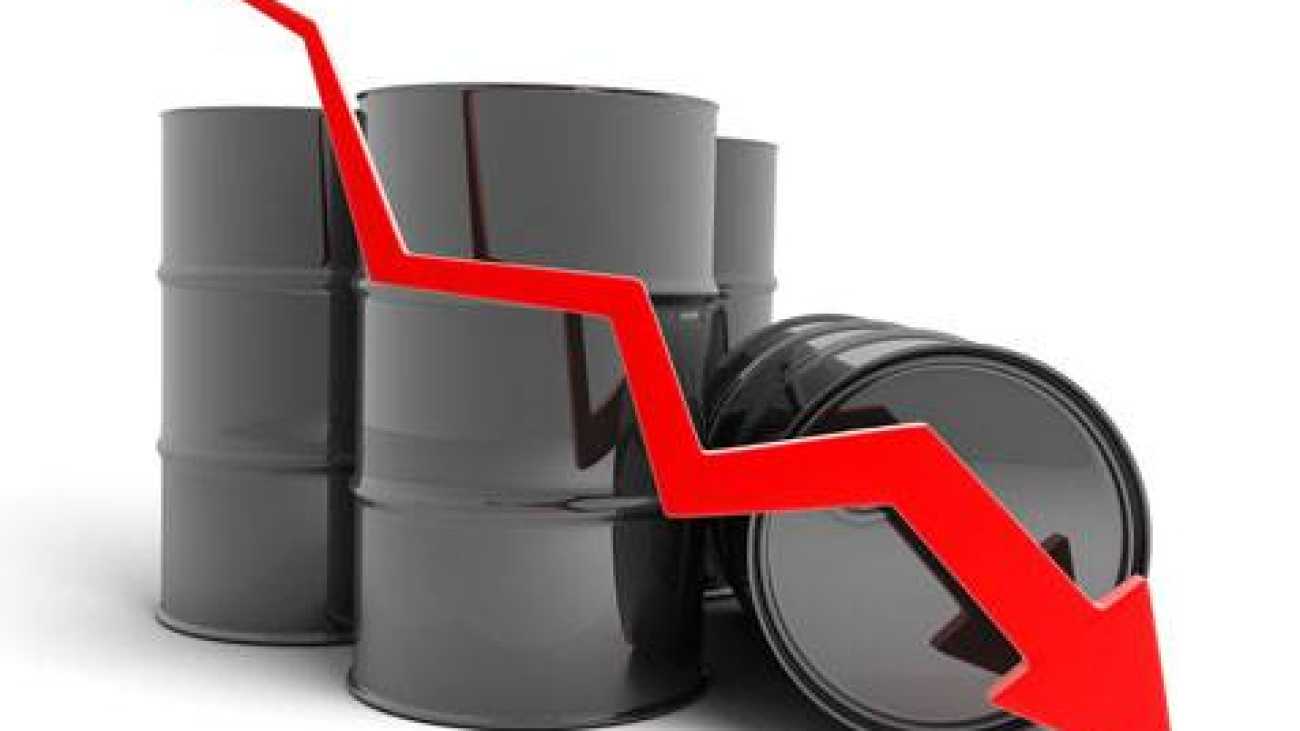
Crude Oil Price Attempts to Recover Some of Its Losses

Crude Oil price recorded limited and cautious gains during its latest intraday trading, attempting to recover part of its previous losses and restore some technical balance, supported by the attempts to ease the clear oversold conditions on the relative strength indicators, with the emergence of positive signals, which may provide temporary support.


Despite these attempts, oil continues to face strong negative pressure due to its ongoing trading below EMA50, in addition to the technical impact of breaking a major short-term bullish trendline, keeping the negative outlook valid unless the price succeeds in reclaiming key resistance levels in the coming period.


gold

Gold Price Attempts to Gain Positive Momentum

Gold price declined during its latest intraday trading after facing resistance at its EMA50, which limited its gains and pushed it into a temporary decline. as an attempt to gain fresh positive momentum that could later help the price overcome the current negative pressure and resume its short-term bullish trend.


At the same time, gold is trying to ease the clear overbought conditions on the relative strength indicators, especially as negative signals have started to appear. However, the positive outlook remains relatively valid as the price continues to benefit from breaching a short-term corrective bearish trendline, which may support the chances of renewed gains if trading stabilizes above the current support levels.


oil

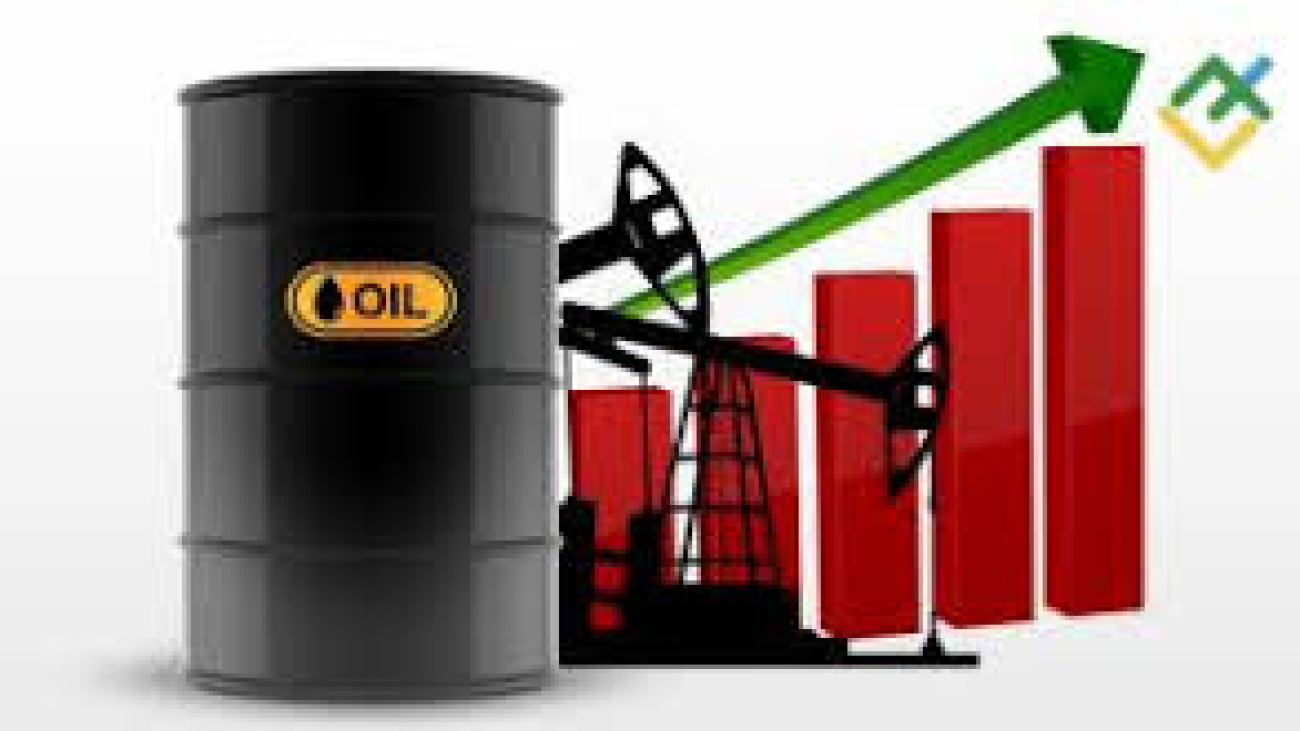
Artificial intelligence could add $500 billion to oil and gas companies by 2030

Estimates from Rystad Energy suggest that digitalization and artificial intelligence technologies could generate nearly $500 billion in cumulative value for oil and gas exploration and production companies between 2026 and 2030.

This value is expected to be achieved through:

• Lower costs by improving operational efficiency

• Higher production through increased uptime and enhanced recovery rates

• Shorter project development timelines

Cost savings and production growth are expected to be the two largest sources of value through 2030, with both contributing at similar levels.

Exploration and production companies currently investing in digitalization and AI are expected to generate an additional $80 billion annually by 2030 compared to 2025 levels.

Results are already beginning to emerge across the sector.

ADNOC announced that AI-driven initiatives generated $500 million in value during 2023, while allocating $1.5 billion to digital spending with the goal of achieving $1 billion annually in added value.

Meanwhile, Equinor achieved nearly $200 million in AI-related savings between 2021 and 2024, before recording another $130 million during 2025 alone.

The report noted that digital value creation follows an accelerating cumulative curve as adoption expands and organizational capabilities mature within companies.

The estimated $500 billion opportunity is distributed across four main categories:

• Asset development

• Operations and maintenance

• Exploration and reservoir development

• Drilling, wells, and production

Digital maturity levels vary across these segments. Operations and maintenance currently show the fastest adoption pace, particularly through predictive maintenance and remote operations, which have reduced costs by double-digit percentages at some major companies.

Subsurface and reservoir-related activities are viewed as having the largest untapped potential, especially in boosting production volumes and lowering drilling costs. Some companies have already reduced seismic data interpretation times from several months to roughly 10 days.

The report also stated that artificial intelligence does not necessarily raise the performance ceiling for top-performing companies, but instead helps the broader industry move closer to the standards achieved by leading firms.

In the US shale sector, major producers are already approaching the physical limits of drilling efficiency. As a result, the greatest benefit now lies in improving average well performance. The study estimates potential improvements of around 10% on average across US onshore fields, while savings in some complex deepwater projects could exceed 50%, although a more realistic range is estimated between 15% and 20%.

This comes as exploration and production companies spent nearly $25 billion on AI tools and digital solutions last year. Forecasts suggest that the market for these services will grow by more than $10 billion by 2030, exceeding $35 billion annually before approaching $50 billion by 2035.

The report argues that the main obstacle to achieving these gains is not a lack of technology, but the difficulty of implementing it at scale. As a result, companies are increasingly forming partnerships with technology providers and oilfield service firms to reduce complexity and accelerate integration between different systems and equipment.

It also noted that most current AI applications in the oil industry rely on traditional machine learning models that require years of training data and are often difficult to transfer from one field to another without significant redevelopment.

However, newer technologies such as “agentic AI” — capable of performing tasks in a semi-autonomous manner — could accelerate digital transformation in the future by reducing gaps between departments and connecting different types of data without requiring full retraining.

Under an optimistic scenario, the annual value generated by digital initiatives could rise to $150 billion by 2030, with the potential to exceed $300 billion annually by 2035, compared to the base-case estimate of only $178 billion in 2035.

Achieving this scenario would also require increasing spending on digital solutions to $50 billion annually by 2030, before rising to nearly $80 billion by 2035.

The report concluded by noting that while artificial intelligence accelerates gains inside digitally mature organizations, it does not necessarily shorten the digital transformation journey itself.


yen

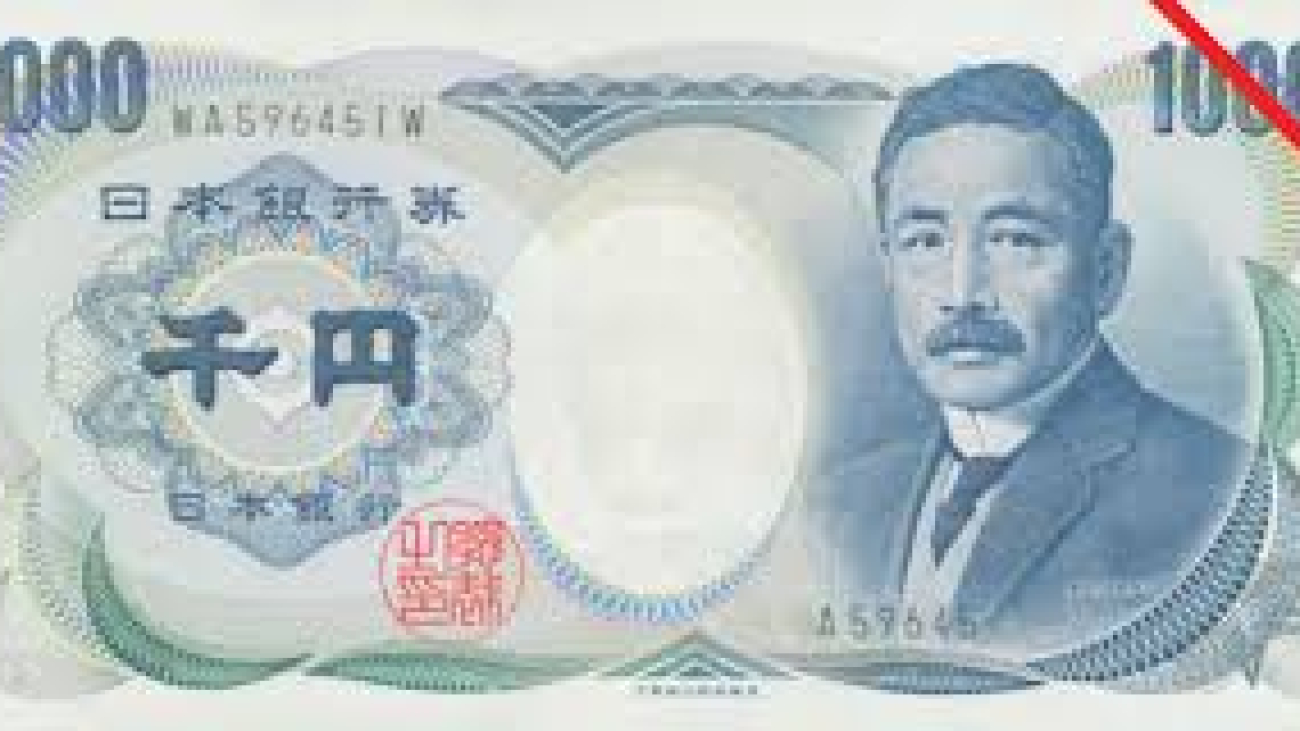
Yen rebounds on optimism about US-Iran deal

The Japanese yen rose in Asian trading on Monday against a basket of major and minor currencies, attempting to recover from a three-week low against the US dollar and heading toward its first gain in the past three sessions, supported by buying activity from lower levels.

The yen also benefited from a slowdown in the US dollar and a sharp decline in global oil prices, amid growing optimism that the United States and Iran are nearing a peace agreement.

At the same time, easing inflationary pressures on policymakers at the Bank of Japan reduced expectations for an interest rate hike in June, as investors await additional economic data from the world’s fourth-largest economy.

Price Overview

• Japanese yen exchange rate today:

The dollar fell against the yen by around 0.3% to 158.75 yen, compared to Friday’s closing level of 159.18 yen. The pair recorded an intraday high of 158.96 yen.

• The yen ended Friday down around 0.2% against the dollar, marking its second consecutive daily loss, after touching a three-week low of 159.34 yen during the previous session.

• Last week, the yen lost 0.3% against the dollar, recording a second straight weekly decline amid continued inflation data pointing to easing price pressures on the Japanese central bank.

US Dollar

The US Dollar Index fell around 0.4% on Monday, pulling back from a six-week high of 99.52 points and heading toward its first loss in the past three sessions, reflecting broad weakness in the US currency against a basket of global currencies.

Beyond profit-taking activity, the dollar weakened as market risk appetite improved, driven by growing hopes that the United States and Iran are close to reaching a peace agreement that could end the war in the Middle East.

Global Oil Prices

Oil prices dropped by more than 6% at the start of the week, reaching their lowest levels in three weeks, as fears over supply disruptions from the Arabian Gulf eased amid rising expectations that the Strait of Hormuz could soon reopen to oil tankers.

Latest Developments in the Iran War

• The United States and Iran are reportedly nearing a final agreement framework to end the war in the Middle East.

• Trump said that “a large part” of the draft agreement had already been negotiated, though not fully finalized, adding that “time is on Washington’s side” to secure a “good and suitable” deal.

• Sources said the agreement framework includes extending the ceasefire for 60 days, giving negotiators time to finalize the detailed terms required to permanently end the conflict.

• The agreement also reportedly includes reopening the Strait of Hormuz, ending the US naval blockade on Iranian ports, and allowing Iran to sell oil under specific exemptions.

• Sources added that several contentious issues remain unresolved, including oversight of the Strait of Hormuz, Iran’s complete surrender of highly enriched uranium, and the release of frozen Iranian assets.

• US officials said the agreement would not be signed on Monday and that final approvals could still take several days.

• Tasnim News Agency warned that the draft agreement could collapse due to disagreements over frozen Iranian assets.

Japanese Interest Rates

• Amid falling oil prices and slowing inflationary pressures, market pricing for a quarter-point interest rate hike by the Bank of Japan at its June meeting declined from 70% to 55%.

• Investors are now awaiting additional Japanese data on inflation, unemployment, and wages to reassess those expectations.

euro

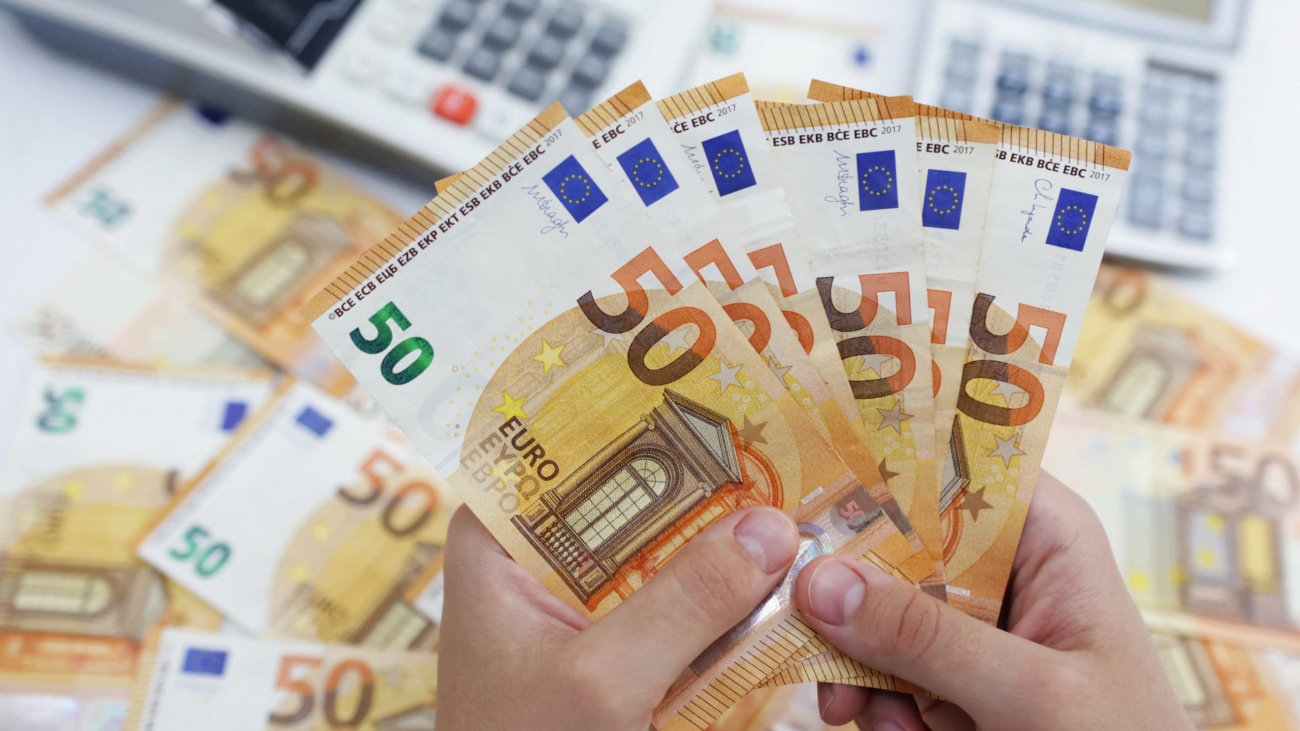
Euro starts recovering on US-Iran deal outlook

The euro rose in European trading on Monday against a basket of global currencies, beginning to recover from six-week lows against the US dollar and heading toward its first gain in the past three sessions, supported by buying activity from lower levels.

The single currency also benefited from a slowdown in the US dollar and a sharp decline in global oil prices, amid positive developments in peace talks between the United States and Iran and growing expectations for the reopening of the Strait of Hormuz.

With oil prices falling and inflationary pressures easing, market pricing for a June interest rate hike by the European Central Bank declined, while investors await additional economic data from the eurozone to reassess those expectations.

Price Overview

• Euro exchange rate today:

The euro rose against the dollar by 0.4% to $1.1649, compared to Friday’s closing level of $1.1602. The pair recorded an intraday low of $1.1628.

• The euro ended Friday down around 0.15% against the dollar, marking its second consecutive daily loss, after touching a six-week low of $1.1576 during the previous session.

• Last week, the euro lost 0.2% against the dollar, recording a second straight weekly decline due to rising US Treasury yields.

US Dollar

The US Dollar Index fell around 0.4% on Monday, pulling further away from a six-week high of 99.52 points and heading toward its first loss in the past three sessions, reflecting broad weakness in the US currency against a basket of global currencies.

Beyond profit-taking activity, the dollar weakened as market risk appetite improved, driven by rising optimism that the United States and Iran are close to reaching a peace agreement that could end the war in the Middle East.

Global Oil Prices

Oil prices fell by more than 6% at the start of the week, hitting their lowest levels in three weeks, as fears over supply disruptions from the Arabian Gulf eased amid increasing expectations that the Strait of Hormuz could soon reopen to oil tankers.

Latest Developments in the Iran War

• The United States and Iran are reportedly close to reaching a final agreement framework to end the war in the Middle East.

• Trump said that “a large part” of the draft agreement had already been negotiated, though not fully finalized, adding that “time is on Washington’s side” to secure a “good and suitable” deal.

• Sources said the proposed agreement includes extending the ceasefire for 60 days, allowing negotiators time to finalize the detailed terms required to permanently end the conflict.

• The agreement also reportedly includes reopening the Strait of Hormuz, ending the US naval blockade on Iranian ports, and allowing Iran to sell oil under specific exemptions.

• Sources added that several contentious issues remain unresolved, including oversight of the Strait of Hormuz, Iran’s complete surrender of highly enriched uranium, and the release of frozen Iranian assets.

• US officials said the agreement would not be signed on Monday and that final approvals could still take several days.

• Tasnim News Agency warned that the draft agreement could collapse due to disagreements over frozen Iranian assets.

European Interest Rates

• Sources told Reuters last week that the European Central Bank is highly likely to raise interest rates in June, given inflation expectations that are moving toward an undesirable scenario.

• However, with global oil prices falling, money markets reduced pricing for a 25 basis point ECB rate hike in June from 70% to 55%.

• Investors are now awaiting further eurozone economic data on inflation, unemployment, and wages to reassess those expectations.

EUR_USD_L_3

USDJPY Breaks Minor Uptrend Line

The (USDJPY) declined during its recent intraday trading, confirming the continued strength of the key resistance level at 159.00, breaking below a short-term minor bullish trend line, pressured by negative signals from the relative strength indicators after reaching overbought levels. The pair is now approaching support from its EMA50, in what may represent a final attempt to regain positive momentum and recover once again.

silver 3

Silver Price Attempts to Escape Negative Pressure

Silver rallied strongly during its recent intraday trading, supported by the dominance of the main bullish trend in the short term, while price movements continue along a supportive trend line, reflecting the strength of the current positive momentum. Relative strength indicators started sending positive signals after reaching heavily oversold levels compared to price action, forming a positive divergence that may support further gains in the coming period.


This rise pushed the price toward testing the resistance of its EMA50, as silver attempts to overcome the negative pressure created by this average during the previous period, waiting for breaching this important technical resistance.

gbp

GBPUSD Breaks Key Resistance

The (GBPUSD) moved higher during its recent intraday trading, with the pair breaking above the important resistance level at 1.3455. The move was supported by trading above its EMA50, which continues to provide dynamic support and strengthens the chances of extending gains in the near term. Additional support also comes from positive signals on the relative strength indicators, while the pair continues to trade along a sharply rising minor trend line that reflects the strength of the bullish momentum.


A woman holds Euro banknotes in this illustration taken May 30, 2022. REUTERS/Dado Ruvic/Illustration/File Photo

EURUSD rises on key support

The (EURUSD) jumped higher at the start of the week’s trading, benefiting from the stability of the key support level at 1.1590, which provided strong backing for the pair, supported by positive signals on the relative strength indicators after easing previous overbought conditions, opening the way for reinforcing this rise.


This rise pushed the pair toward testing the resistance of its EMA50, as it attempts to overcome the negative pressure imposed by this average during the past period. The pair is now watching its ability to break this important technical resistance.