trump

Trump’s Asian summit offers limited breakthroughs as global markets await concrete economic agreements

US President Donald Trump concluded the main diplomatic engagements of his Asian tour on Thursday, November 19, following an unprecedented trilateral summit with Chinese President Xi Jinping and Russian President Vladimir Putin in the southern Chinese city of Shenzhen.

The meeting, held on the sidelines of the Asia-Pacific Economic Cooperation summit, came amid mounting concerns about global economic growth, persistent inflationary pressures and escalating geopolitical tensions in Eastern Europe and the Middle East.

Despite the relatively positive diplomatic atmosphere, the summit failed to produce major breakthroughs on several issues of particular importance to global financial markets, including trade restrictions, semiconductor exports and the ongoing military conflicts in Ukraine and Iran.

Shenzhen declaration

The three leaders issued a joint peace declaration covering four main areas: nuclear risk reduction, United Nations reform, global energy security and diplomatic immunity.

The United States, China and Russia pledged to cooperate in increasing the production and supply of refined petroleum products, although no specific production targets or implementation timetable were announced.

The leaders also agreed to maintain dialogue on reducing nuclear risks, without announcing a formal agreement on limiting their nuclear arsenals.

US-China trade relations

Trump held separate talks with Xi Jinping covering bilateral trade relations and access to critical minerals.

However, the meetings produced no major announcements regarding additional tariff reductions or the relaxation of American restrictions on advanced semiconductor exports to China.

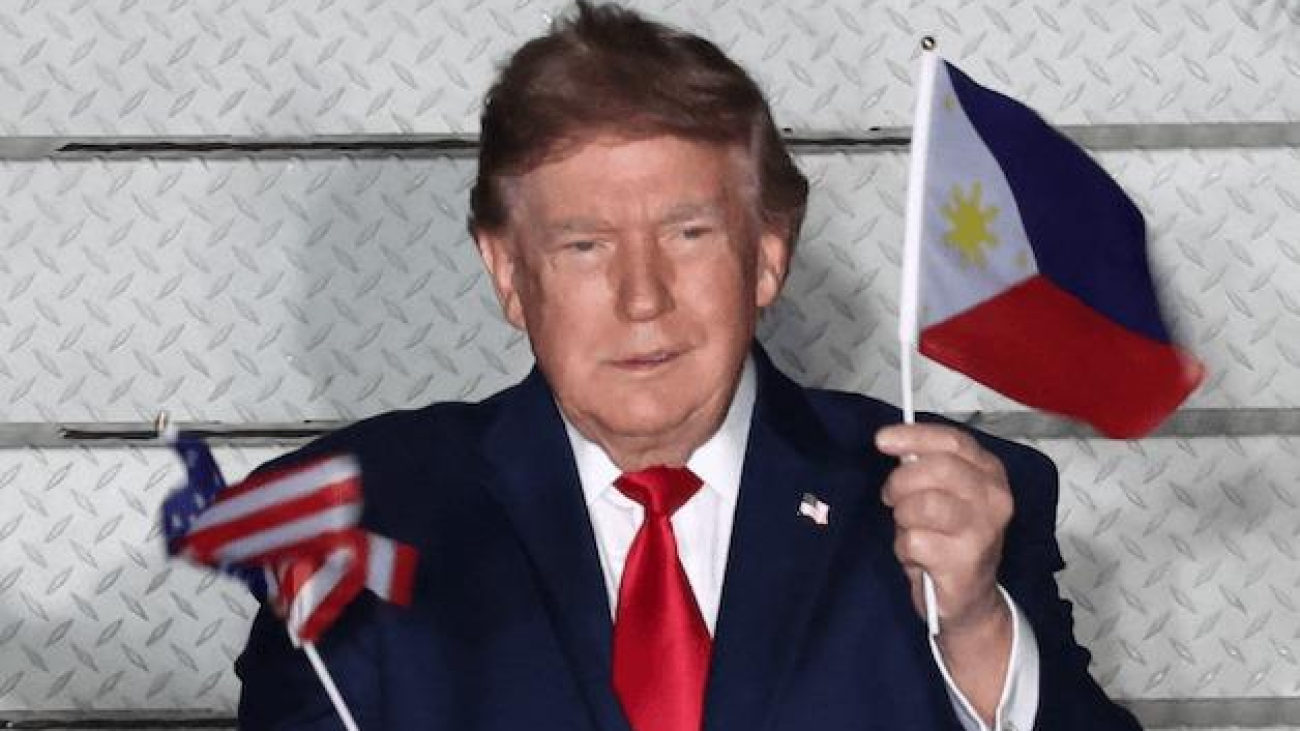
Trump also announced progress on trade agreements with Thailand and the Philippines, although important details remain subject to further negotiations.

The absence of a comprehensive economic agreement between Washington and Beijing represents a potential disappointment for investors seeking greater certainty regarding global supply chains and international trade conditions heading into 2027.

Oil markets

The commitment to increasing global petroleum product supplies represents one of the summit’s most significant developments for commodity markets.

Any subsequent relaxation of restrictions on Russian energy exports could increase supplies available to international markets, putting additional downward pressure on oil prices.

However, the absence of tangible progress toward resolving the conflict with Iran means that risks associated with oil shipments through the Strait of Hormuz remain elevated.

Lower energy prices would help ease inflationary pressures across major economies and potentially reduce the need for further monetary tightening.

Stock markets

Semiconductor manufacturers and major technology companies stand to benefit considerably from any future easing of US-China trade and technology restrictions.

Improved access to Chinese markets could support corporate revenues, particularly at a time when investors are increasingly concerned about artificial intelligence valuations and the profitability of massive infrastructure investments.

Nevertheless, the absence of immediate concessions means that global equities remain vulnerable to renewed trade tensions and rising borrowing costs.

US dollar and gold

A sustained improvement in relations between the three major powers could gradually reduce demand for safe-haven assets, particularly the US dollar and gold, while supporting emerging market currencies.

However, lower energy prices could also weaken expectations of further US interest rate increases, potentially providing some support for precious metals through lower Treasury yields.

For now, the broader market implications of Trump’s Asian tour remain largely dependent on subsequent negotiations, particularly whether the political commitments announced in Shenzhen translate into concrete changes in trade restrictions, energy policies and international sanctions.


1795177536_ff572f

US dollar heads for fourth consecutive weekly gain as safe-haven demand increases

The US dollar fluctuated in European trading on Friday, November 20, against a basket of major currencies, remaining near its highest level in 19 months and on course for its fourth consecutive weekly gain.

The American currency continues to benefit from strong expectations of further US monetary tightening, alongside increased demand for safe-haven assets following heavy losses across global stock markets.

Price Overview

The US dollar index fell 0.06% to 103.89 points, from an opening level of 103.93 points, after recording a session high of 103.96 points and a low of 103.71 points.

The index ended Thursday’s trading near its highest level since April 2025, having gained nearly 2% since the beginning of November.

US interest rates

Stronger-than-expected US inflation figures and increasingly hawkish remarks from Federal Reserve officials have prompted a significant reassessment of American monetary policy expectations.

Money markets estimate a 94% probability of a 25-basis-point interest rate increase in December, compared with a 6% probability of a larger 50-basis-point increase.

Federal Reserve Governor Christopher Waller has advocated a more aggressive monetary policy response to persistent inflationary pressures.

Safe-haven demand

Global stock markets continued to suffer heavy losses on Friday, following renewed selling pressure across Wall Street despite Anthropic’s historic stock market debut on Thursday.

The S&P 500 has lost approximately 5% so far this week, amid growing concerns about excessive artificial intelligence valuations and the sustainability of infrastructure expenditure.

The deterioration in global risk appetite has increased demand for the US dollar, particularly against commodity-linked currencies.

US economic data

Investors are awaiting fresh US consumer confidence and inflation expectations figures at 15:00 GMT, alongside further remarks from Federal Reserve officials.

Attention will subsequently turn to next week’s personal consumption expenditure inflation figures, which could help determine the size of the anticipated December interest rate increase.

gold

Gold hits 14-month low and heads for worst weekly performance in eight months

Gold prices fell in European trading on Friday, November 20, extending their heavy losses and recording a fresh 14-month low, under pressure from elevated US interest rate expectations and the continued strength of the US dollar.

The precious metal is heading for its biggest weekly loss in eight months, while silver prices continue to suffer from broad selling pressure across industrial and precious metal markets.

Price Overview

Gold fell 1.09% to $3,585.83 per ounce, from an opening level of $3,625.31, after recording a session high of $3,636.75 and a low of $3,514.63, its lowest level since September 2025.

Silver declined 1.07% to $42.441 per ounce, from an opening level of $42.902, after touching $41.1095, its lowest level in 52 weeks.

Gold has now lost more than 12% of its value over the past 12 months, while silver has declined approximately 16%.

US interest rates

Philadelphia Federal Reserve President Anna Paulson indicated that US interest rates would need to rise further to contain persistent inflationary pressures.

The remarks reinforced expectations of a 25-basis-point interest rate increase in December, following Wednesday’s hawkish Federal Reserve monetary policy meeting minutes.

US dollar

The US dollar remains on course for its fourth consecutive weekly gain against a basket of major currencies, trading near its highest level since April 2025.

The strength of the American currency continues to reduce demand for dollar-denominated precious metals among investors holding other currencies.

Industrial metals

Copper prices fell sharply on Friday amid growing concerns about global industrial demand, adding to the selling pressure on silver.

Investors are awaiting remarks from Federal Reserve Governor Christopher Waller, alongside US consumer confidence and inflation expectations figures at 15:00 GMT, for further indications of the likely pace of US monetary tightening.

jpy

USDJPY Slips After Reaching Our Price Target

The USDJPY pair declined sharply in its latest intraday trading following the consolidation of the pivotal resistance level at 160.00, which was our price target in previous analysis. The pair’s decline extended toward EMA50’s support, as it attempts to establish a higher low that could serve as a base for gaining the positive momentum needed to resume its recovery, amid the dominance of the short-term bullish trend, with the price moving alongside a trend line supporting this trajectory.

silvert

Silver Surpasses Our Price Target

Silver continued its decline in recent intraday trading, breaking below the $43.00 support level, which had represented our price target in previous analysis, amid continued negative pressure from trading below its EMA50, which acts as dynamic resistance, reinforcing the dominance and stability of the short-term bearish trend.


Meanwhile, negative signals are emerging from the relative strength indicators after offloading the oversold conditions, opening the way for further losses in the near term.

gbp

GBPUSD Confirms Our Price Target

The GBPUSD pair extended its consecutive losses in recent intraday trading, reaching the 1.3090 support level, which was our price target in previous analysis. This comes amid the dominance of a steep short-term bearish trend, alongside continued negative pressure from trading below its EMA50, which acts as dynamic resistance and increases the likelihood of further losses in the near term, particularly as negative signals continue to emerge from the relative strength indicators.

Euro_Dollar_L_2

EURUSD is Preparing to Break a Key Support Level

The EURUSD pair declined in its latest intraday trading, positioning itself to break the key support level at 1.0950, amid the dominance of the short-term bearish trend and continued negative pressure from trading below its EMA50, which acts as dynamic resistance, reinforcing selling pressure and increasing the likelihood of further declines.


This comes as negative signals begin to emerge from the relative strength indicators, after reaching excessively overbought levels, reflecting fading buying momentum and supporting the chances of breaking the aforementioned support and extending the bearish trend in the near-term trading.

oil5

Crude Oil Shows Further Signs of Weakness

Crude oil prices edged lower in recent intraday trading following the consolidation of the key resistance level at $83.25. This comes amid the dominance of the short-term bearish trend, with the price moving along a trend line supporting this trajectory, in addition to continued negative pressure from trading below its EMA50, which acts as dynamic resistance and limits the chances of a full recovery in the near term.


This coincides with the emergence of a bearish crossover on the relative strength indicators after reaching excessively overbought levels, suggesting the formation of a negative divergence, which intensifies the downward pressure on prices.

gold5

Gold Breaks Our Price Target

Gold experienced a free fall in its latest intraday trading, breaking $3,600 support level, which was our last price target in previous analysis, amid the dominance of the short-term bearish trend, with the price moving alongside a steep minor trend line that reinforces this path, in addition to continued negative pressure from trading below its EMA50, which acts as dynamic resistance and reinforces selling pressure.


This coincides with negative signals emerging from the relative strength indicators, after offloading the oversold conditions, opening the way for renewed selling pressure and increasing the likelihood of further losses in the near-term trading.

silver

Silver Holds its Current Support, Offering a Chance to Catch its Breath

Silver is posting slight gains in its latest intraday trading, supported by the stability of the $45.45 support level, which was our last price target in previous analyses. This is helping the price recover some of its previous losses while also easing its clearly oversold conditions on the relative strength indicators, especially as positive signals begin to emerge from these indicators.


This comes amid continued negative pressure from trading below EMA50, which acts as dynamic resistance, reinforcing the dominance and stability of the main downtrend in the short term.