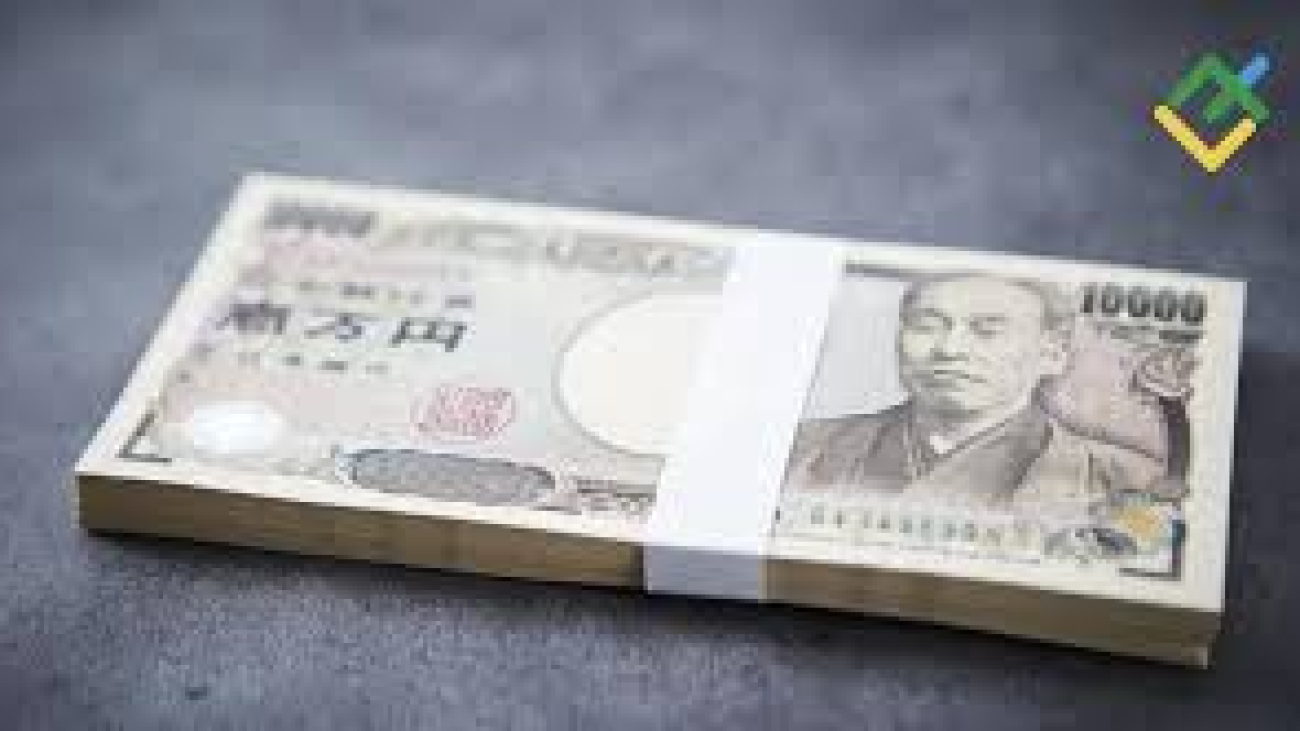
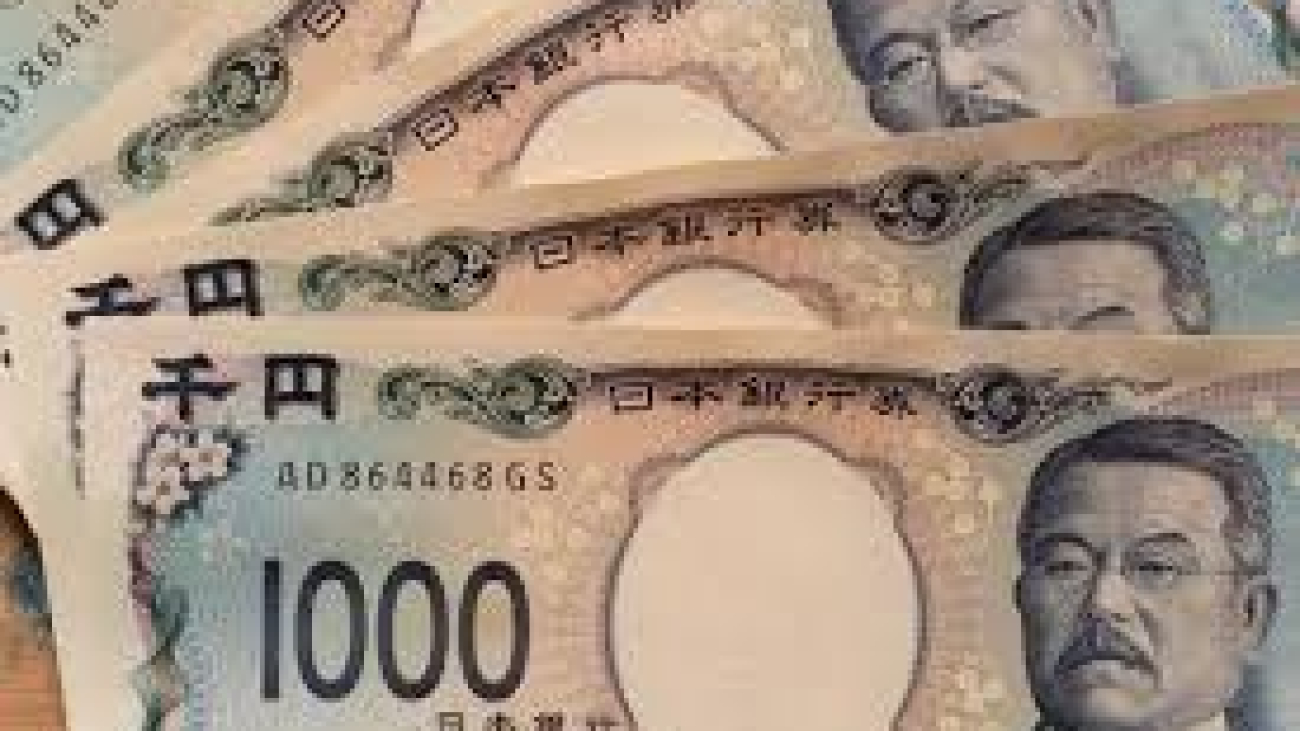
The Japanese yen weakened in Asian trading on Wednesday against a basket of major and minor currencies, extending its losses for a second consecutive session against the US dollar and remaining close to a six-week low. Investors continued to favor the US dollar as a safe-haven asset amid escalating geopolitical tensions in the Middle East after the United States launched a new round of airstrikes against Iran.
Data released in Tokyo today showed producer prices rising to their highest level in three years, renewing inflationary pressure on policymakers at the Bank of Japan and strengthening expectations of an interest-rate hike next week.
Price action
• USD/JPY today: The US dollar rose about 0.1% against the yen to ¥160.43, from an opening level of ¥160.34, after touching an intraday low of ¥160.24.
• The yen ended Tuesday down 0.1% against the dollar, marking its lowest level in six weeks at ¥160.45.
US dollar
The US Dollar Index rose about 0.1% on Wednesday, resuming gains after a two-session pause and reflecting broader strength in the greenback against major global currencies.
The move was driven by renewed demand for the dollar as a safe haven following escalating geopolitical tensions in the Middle East. The United States launched a new wave of airstrikes against Iran, while Iran’s Revolutionary Guard responded with attacks targeting US facilities in Bahrain, Kuwait, and Jordan.
Oil prices
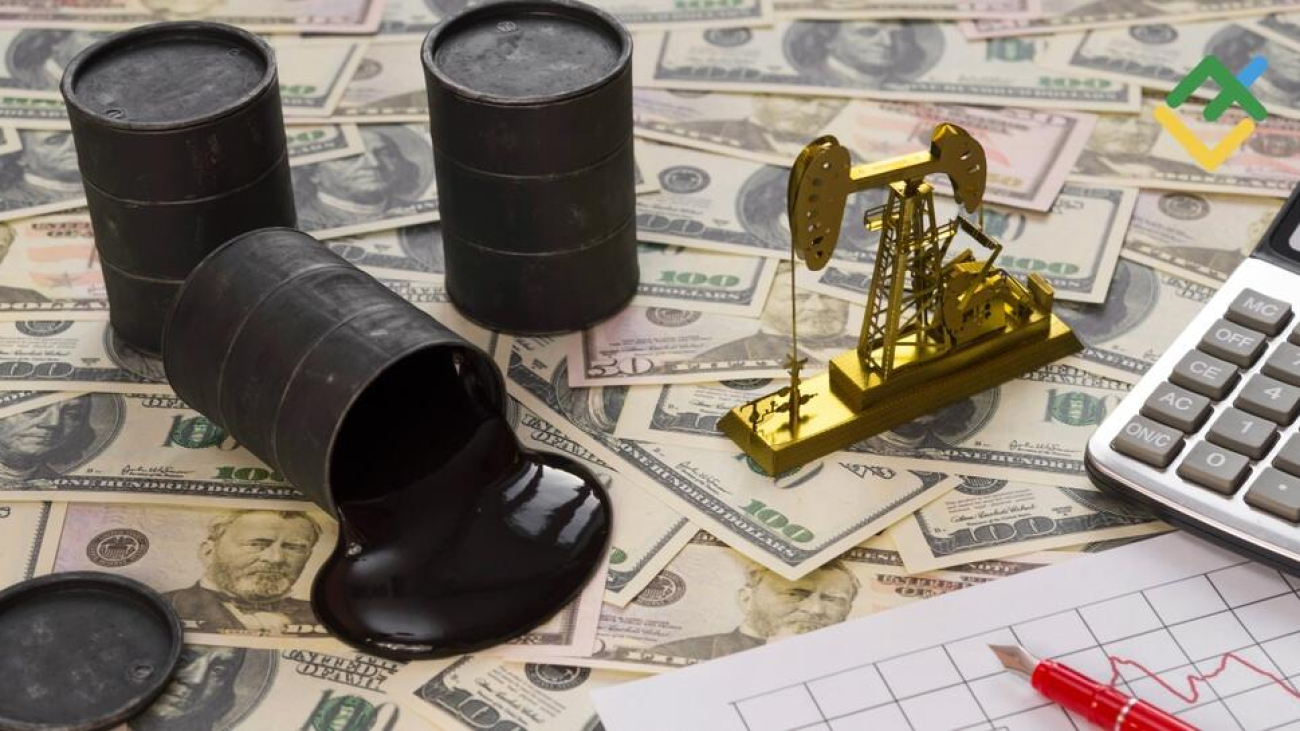
Oil prices climbed more than 1% on Wednesday, rebounding from multi-week lows as concerns resurfaced over a prolonged closure of the Strait of Hormuz following the exchange of military strikes between the United States and Iran.
Latest developments in the Iran conflict
• The United States launched new airstrikes against Iran following the downing of an Apache helicopter.
• Donald Trump said the response to the downing of the US helicopter should be “very strong.”
• US Central Command described the strikes on Iran as an act of “self-defense.”
• Iran announced retaliatory attacks targeting the US Fifth Fleet in Bahrain and American bases in Kuwait and Jordan.
• Despite the exchange of attacks, President Donald Trump and Vice President JD Vance reiterated that negotiations toward a comprehensive nuclear agreement remain ongoing.
• Iranian Parliament Speaker Mohammad Bagher Ghalibaf stated that Tehran prefers a diplomatic solution to the crisis but also possesses stronger alternatives if necessary.
The ¥160 intervention threshold
Japanese authorities continue to closely monitor currency market movements, particularly as the yen trades beyond the key ¥160-per-dollar threshold, a level widely viewed as a potential trigger for official intervention.
According to reports from Reuters, Tokyo intervened several times in late April and early May to halt the yen’s decline. At that time, the exchange rate reached ¥160.72 per dollar, the weakest level since July 2024.
Japanese officials have repeatedly warned against excessive currency volatility and emphasized that authorities stand ready to take decisive action against disorderly market movements.
Finance Minister Satsuki Katayama said the government is “prepared to take appropriate measures” if currency markets experience excessive or speculative moves.
Japanese interest rates
• Producer-price inflation in Japan accelerated to its highest level in three years, driven by higher energy costs linked to the Iran conflict.
• Market-implied odds of a 25-basis-point rate hike by the Bank of Japan at its June meeting increased from 75% to 95%.
• Investors are awaiting additional data on inflation, unemployment, and wage growth to further refine expectations for Japanese monetary policy.
• The Bank of Japan is scheduled to meet on June 15–16 to assess the appropriate policy stance for the world’s fourth-largest economy.






 Chat now!