Gold prices declined in European trading on Tuesday, heading for their first loss in three days, pressured by a rebound in the US dollar and rising global oil prices amid fears of renewed military tensions between the United States and Iran.
Markets are awaiting the minutes of the Federal Reserve’s latest meeting on Wednesday, which are expected to provide important clues about the likelihood of further US interest rate hikes during the remainder of this year.
The Price
• Gold prices fell 0.7% to $4,386.17 an ounce, from an opening level of $4,416.47, after reaching a session high of $4,436.31.
• At Monday’s settlement, gold gained 0.9%, marking its second consecutive daily advance.
US dollar
The US Dollar Index rose 0.15% on Tuesday as it attempted to recover from an 11-week low, putting it on track for its first gain in four sessions and reflecting a rebound in the US currency against a basket of major and minor currencies.
As is widely known, a stronger US dollar makes dollar-denominated gold less attractive to buyers holding other currencies.
Alongside bargain buying from depressed levels, safe-haven demand for the dollar is strengthening amid fears of renewed conflict with Iran, particularly following the collapse of the temporary peace agreement between the United States and Iran.
Global oil prices
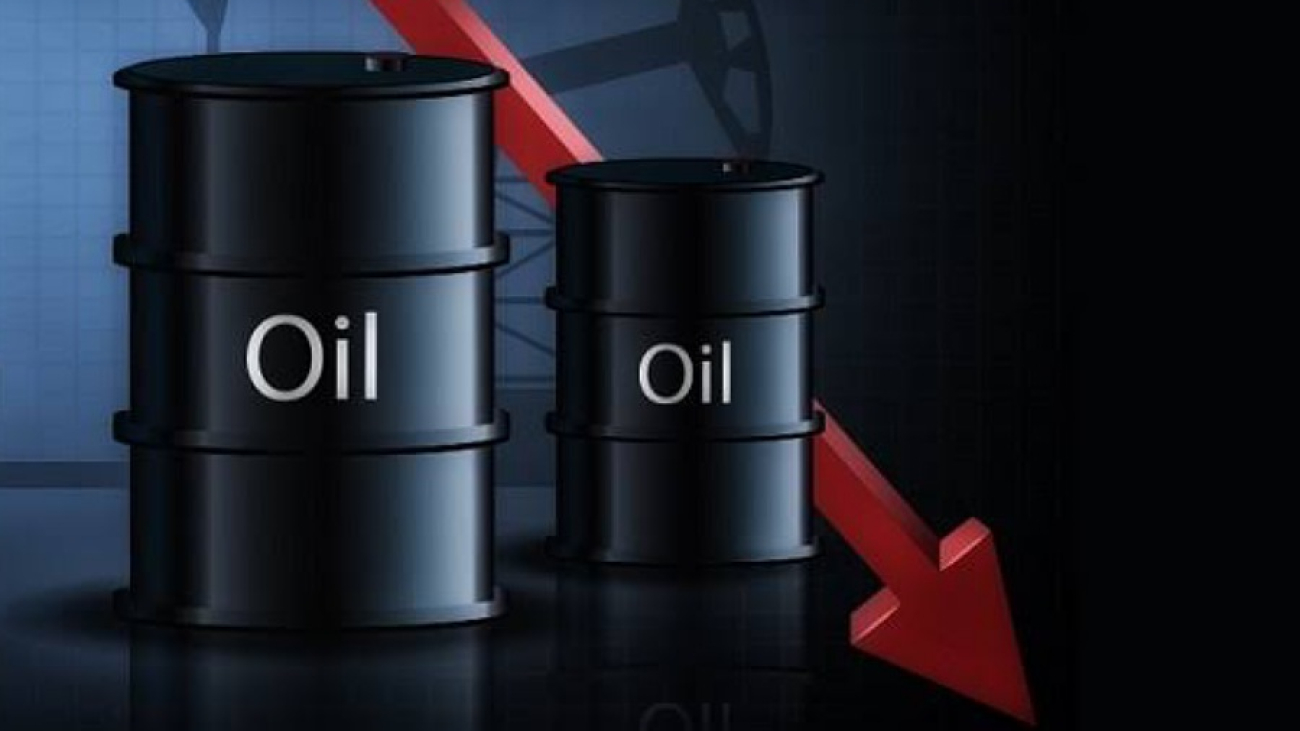
Oil prices rose around 0.5% on Tuesday, extending gains for a third consecutive day and reaching a three-week high, as negotiations between the United States and Iran stalled and shipping traffic through the Strait of Hormuz remained halted.
Higher global oil prices are renewing concerns about accelerating inflation, which could push major central banks toward raising interest rates in the near term.
Latest developments in the Iran conflict
• The 60-day deadline under the “Islamabad Understanding” expired without a final agreement between the United States and Iran.
• Washington is refusing to extend the truce and is demanding Tehran’s surrender, while Iran has said it is prepared to adopt a “fully offensive” military posture if diplomatic efforts fail.
• The main disagreements between the United States and Iran remain centered on the Strait of Hormuz, US sanctions and the guarantees demanded by both sides.
• Mediation efforts and behind-the-scenes contacts are continuing, but no new agreement has been reached so far. Reports indicate that the Trump administration has opened secret communication channels with Iran.
• Efforts are underway to establish a mechanism for restoring shipping traffic through the strait, but the US demand that the waterway be fully reopened before any concessions are offered to Iran is complicating negotiations.
• US President Donald Trump threatened military action against Oman if he believes it is obstructing negotiations, adding another layer of complexity to mediation efforts.
US interest rates
• According to the CME FedWatch Tool, markets currently price a 65% probability that the Federal Reserve will leave interest rates unchanged at its September meeting, compared with a 35% probability of a 25-basis-point rate hike.
• For the December meeting, markets currently price a 31% probability of no change in interest rates and a 69% probability of a 25-basis-point increase.
• To reassess those odds, investors are awaiting the minutes of the Federal Reserve’s latest meeting on Wednesday, which are expected to provide strong signals about the path of US interest rates this year.
Gold outlook
We expect gold prices to remain in negative territory, particularly if the US dollar continues to strengthen alongside rising oil prices.
Gold could climb back above $4,400 an ounce, with a strong possibility of reaching fresh multi-week highs, if mediation efforts succeed in securing a new ceasefire agreement between the United States and Iran.
SPDR Gold Trust
Holdings at SPDR Gold Trust, the world’s largest gold-backed exchange-traded fund, increased by around 7.13 metric tons on Monday, marking a second consecutive daily increase and the largest one-day addition since June 18.
Total holdings rose to 1,030.60 metric tons, the highest level since May 28.








 Chat now!