euro

EURUSD Pulls Back as Strong Resistance Holds

The EURUSD pair declined in recent intraday trading after failing to break the key resistance level at 1.1660, triggering a modest corrective decline aimed at restoring bullish momentum ahead of another attempt to overcome this barrier.


The pair attempts to offload overbought conditions on the relative strength indicators, which started to show negative signals. Despite this, the short-term outlook remains positive, supported by a minor upward trend and continued trading above the EMA50, which provides dynamic support and reinforces the bullish bias.

daily-oil-main

Crude Oil Attempts to Recover Part of Its Recent Losses

Crude oil prices rose in recent intraday trading, attempting to recover part of their recent losses, supported by improving relative strength indicators after reaching deeply oversold levels, helping to generate positive signals that encouraged buying activity.


Despite this improvement, the short-term technical outlook remains bearish. A strong downward trend continues to dominate price action, while trading below the EMA50 keeps negative pressure valid and limits the chances of a sustained recovery in the near term.

gold

Gold Tests Buyers’ Strength After Strong Rally

Gold prices moved in a volatile but slightly lower range during recent intraday trading, reflecting a natural profit-taking phase following the previous rally. The metal is attempting to rebuild bullish momentum while maintaining overall technical stability despite current selling pressure.


At the same time, gold is working to ease overbought conditions on the relative strength indicators, which began to generate negative signals. However, the technical outlook remains supported by a prior breach to a short-term bullish trendline and continued trading above the EMA50, which acts as dynamic support and favors further recovery.

yen

Yen hovers near a four-week low as inflation pressures ease

The Japanese yen declined in Asian trading on Friday against a basket of major and minor currencies, resuming losses that were temporarily halted yesterday against the US dollar and moving back toward its lowest level in four weeks. The currency is also on track to post a monthly loss in May, weighed down by higher US Treasury yields.

The yen’s decline comes alongside a renewed rise in the US dollar as markets await final approval from US President Donald Trump for the preliminary peace agreement between Washington and Tehran. The Japanese currency is also facing additional pressure after data showed a slowdown in Tokyo’s core inflation during May.

Price Overview

• Japanese yen exchange rate today: The dollar rose against the yen by 0.1% to ¥159.36, from today’s opening level at ¥159.23, and recorded a low of ¥159.16.

• The yen ended Thursday’s trading up around 0.2% against the dollar, its first gain in the past three sessions, after earlier touching a four-week low of ¥159.65.

• Aside from buying activity from lower levels, the yen benefited from reports of a preliminary peace agreement between the United States and Iran.

Monthly performance

• During May trading, which officially concludes with today’s settlement, the Japanese yen is currently down about 1.8% against the US dollar, on track for its third monthly loss in the past four months.

• The monthly decline reflects investor preference for the US dollar as a safer alternative investment amid the fallout from the Iranian war and continued tensions between the United States and Iran.

• It also comes as the yield on the 10-year US Treasury note has risen to its highest level in a year due to mounting inflationary pressures on the Federal Reserve.

US dollar

The dollar index rose 0.1% on Friday, resuming gains that paused in the previous session and moving toward a seven-week high, reflecting renewed strength in the US currency against a basket of global currencies.

The rise comes as demand for the US dollar as a safe haven returns amid continued uncertainty surrounding the preliminary peace agreement between the United States and Iran, which is still awaiting final approval from President Donald Trump.

Latest developments in the Iranian war

• The United States and Iran have reached an agreement, but it still requires Trump’s final approval.

• The agreement includes a 60-day ceasefire, the lifting of restrictions on navigation through the Strait of Hormuz, and further nuclear negotiations.

• US President Donald Trump requested a few days to consider the final agreement.

• Iran’s state news agency said the agreement has not yet been finalized.

• The United States warned Oman against becoming involved in Strait of Hormuz transit fees.

Tokyo core inflation

Data released in Japan today showed Tokyo’s core consumer price index rose 1.3% in May, the slowest pace since March 2022, below market expectations of 1.5% and down from 1.5% in April.

Weaker-than-expected inflation readings in Japan indicate easing price pressures on Bank of Japan policymakers, reducing the likelihood of additional Japanese interest rate hikes this year.

Japanese interest rates

• Following the data release, market pricing for a quarter-point interest rate hike by the Bank of Japan at its June meeting declined from 65% to 60%.

• Investors are awaiting additional data on inflation, unemployment, and wage growth in Japan in order to reassess those expectations.

The ¥160 threshold

Japanese authorities are closely monitoring movements in the local currency, particularly as the yen weakens toward the critical ¥160 per dollar level, which has long been viewed as a threshold that could trigger renewed intervention in the foreign exchange market.

Reuters sources previously reported that Tokyo intervened several times in late April and early May to halt the yen’s decline, although the currency’s recovery proved short-lived. At the time, the exchange rate reached ¥159.25 per dollar, its weakest level since April 30.

Outlook for the Japanese yen

• Tony Sycamore, market analyst at IG, said previous intervention by the Bank of Japan provided policymakers with some relief, but questions remain regarding its long-term effectiveness.

• Sycamore added: “The key question is whether that intervention was worthwhile for what was essentially only a temporary one-month reprieve. Moreover, will authorities have the capacity to provide similar support if the ¥160 level is breached again in coming sessions?”


eur

Euro resumes losses as markets await Trump’s approval of the US-Iran peace agreement

The Japanese yen declined in Asian trading on Friday against a basket of major and minor currencies, resuming losses that were temporarily halted yesterday against the US dollar and moving back toward its lowest level in four weeks. The currency is also on track to post a monthly loss in May, weighed down by higher US Treasury yields.

The yen’s decline comes alongside a renewed rise in the US dollar as markets await final approval from US President Donald Trump for the preliminary peace agreement between Washington and Tehran. The Japanese currency is also facing additional pressure after data showed a slowdown in Tokyo’s core inflation during May.

Price Overview

• Japanese yen exchange rate today: The dollar rose against the yen by 0.1% to ¥159.36, from today’s opening level at ¥159.23, and recorded a low of ¥159.16.

• The yen ended Thursday’s trading up around 0.2% against the dollar, its first gain in the past three sessions, after earlier touching a four-week low of ¥159.65.

• Aside from buying activity from lower levels, the yen benefited from reports of a preliminary peace agreement between the United States and Iran.

Monthly performance

• During May trading, which officially concludes with today’s settlement, the Japanese yen is currently down about 1.8% against the US dollar, on track for its third monthly loss in the past four months.

• The monthly decline reflects investor preference for the US dollar as a safer alternative investment amid the fallout from the Iranian war and continued tensions between the United States and Iran.

• It also comes as the yield on the 10-year US Treasury note has risen to its highest level in a year due to mounting inflationary pressures on the Federal Reserve.

US dollar

The dollar index rose 0.1% on Friday, resuming gains that paused in the previous session and moving toward a seven-week high, reflecting renewed strength in the US currency against a basket of global currencies.

The rise comes as demand for the US dollar as a safe haven returns amid continued uncertainty surrounding the preliminary peace agreement between the United States and Iran, which is still awaiting final approval from President Donald Trump.

Latest developments in the Iranian war

• The United States and Iran have reached an agreement, but it still requires Trump’s final approval.

• The agreement includes a 60-day ceasefire, the lifting of restrictions on navigation through the Strait of Hormuz, and further nuclear negotiations.

• US President Donald Trump requested a few days to consider the final agreement.

• Iran’s state news agency said the agreement has not yet been finalized.

• The United States warned Oman against becoming involved in Strait of Hormuz transit fees.

Tokyo core inflation

Data released in Japan today showed Tokyo’s core consumer price index rose 1.3% in May, the slowest pace since March 2022, below market expectations of 1.5% and down from 1.5% in April.

Weaker-than-expected inflation readings in Japan indicate easing price pressures on Bank of Japan policymakers, reducing the likelihood of additional Japanese interest rate hikes this year.

Japanese interest rates

• Following the data release, market pricing for a quarter-point interest rate hike by the Bank of Japan at its June meeting declined from 65% to 60%.

• Investors are awaiting additional data on inflation, unemployment, and wage growth in Japan in order to reassess those expectations.

The ¥160 threshold

Japanese authorities are closely monitoring movements in the local currency, particularly as the yen weakens toward the critical ¥160 per dollar level, which has long been viewed as a threshold that could trigger renewed intervention in the foreign exchange market.

Reuters sources previously reported that Tokyo intervened several times in late April and early May to halt the yen’s decline, although the currency’s recovery proved short-lived. At the time, the exchange rate reached ¥159.25 per dollar, its weakest level since April 30.

Outlook for the Japanese yen

• Tony Sycamore, market analyst at IG, said previous intervention by the Bank of Japan provided policymakers with some relief, but questions remain regarding its long-term effectiveness.

• Sycamore added: “The key question is whether that intervention was worthwhile for what was essentially only a temporary one-month reprieve. Moreover, will authorities have the capacity to provide similar support if the ¥160 level is breached again in coming sessions?”

CANADIAN_2_L

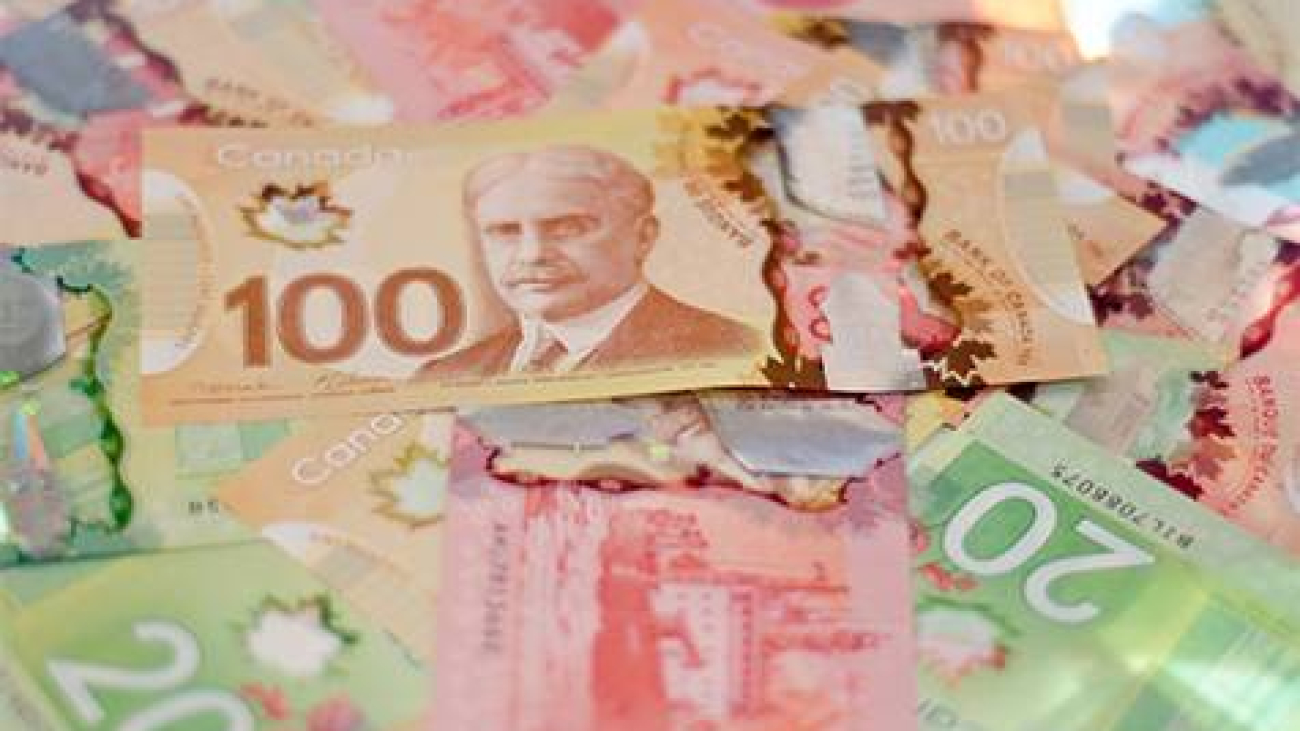
Loonie posts vast monthly gains amid hopes for an extended ceasefire between Washington and Tehran

The Canadian dollar rose sharply against its US counterpart on Thursday, recovering from a six-week low as optimism grew over the possibility of reaching an agreement to extend the ceasefire in the Middle East, boosting investor risk appetite.

The Canadian dollar, known as the “loonie,” climbed 0.4% to C$1.3780 against the US dollar, equivalent to 72.57 US cents, heading for its biggest daily gain since April 30.

Earlier in the session, the Canadian currency had touched its weakest level since April 13 at C$1.3869 per US dollar.

The moves came after reports said the United States and Iran had reached an agreement to extend the ceasefire, pending approval from US President Donald Trump, following Iran’s targeting of a US base in Kuwait in response to American strikes against what Washington described as Iranian drone operations.

Erik Bregar, director of FX and precious metals risk management at Silver Gold Bull, said markets had returned to believing a deal was possible, adding: “There’s risk appetite everywhere, including in the Canadian dollar.”

US stocks rose, while the US dollar weakened against a basket of major currencies.

US West Texas Intermediate crude prices also rose 0.4% to $89.06 per barrel, supporting the Canadian dollar since oil is one of Canada’s key exports.

In economic data, figures showed Canada’s current account deficit widened to C$7.18 billion in the first quarter, compared with a revised deficit of C$1 billion in the fourth quarter of last year.

Economists expect first-quarter GDP data, due Friday, to show the Canadian economy expanded at an annualized rate of 1.5%.

In a separate development, formal negotiations began between the United States and Mexico to rewrite the United States-Mexico-Canada trade agreement, amid US demands to tighten regional rules of origin, while Canada was excluded from the current round of talks.

Canadian Prime Minister Mark Carney called for a “new partnership” with the United States “to help make America great again” during a speech in New York.

In bond markets, Canadian government bond yields declined across maturities, with the 10-year yield falling 2.1 basis points to 3.444% after earlier touching its highest level in around a week at 3.499%.

usdjpy

USDJPY Receives Positive Momentum

USDJPY posted slight gains during recent intraday trading after finding support at its EMA50, giving the pair positive momentum as relative strength indicators begin showing a bullish crossover.


The indicators reached heavily oversold levels compared to price action, suggesting the formation of a positive divergence that could support further recovery in the near term, especially with the short-term corrective bullish trend still in control.

silver

Silver Price Tries to Escape Negative Pressure

Silver price remains near its recent highs following strong intraday gains, as the price attempts to regain positive momentum and overcome the negative pressure caused by resistance from EMA50.


This calm performance comes after relative strength indicators reached heavily overbought levels, prompting a limited correction phase to ease some of the overbought conditions, which could pave the way for resuming the bullish trend and target new resistance levels in the near term.

gbp

GBPUSD Escapes Negative Pressure

The GBPUSD pair remains steady on consecutive gains during recent intraday trading, overcoming the negative pressure from its EMA50. This reinforces the dominance of the main bullish trend in the short term, especially as the pair continues moving alongside a supportive upward trendline.


Positive signals from relative strength indicators are also supporting the bullish outlook, despite the indicators reaching heavily overbought levels.

eur

EURUSD Tests Key Resistance

The EURUSD pair continues posting gains during recent intraday trading after breaking above the resistance of its EMA50, gaining positive momentum that supports the chances of further upside in the near term.


The pair is currently testing the key resistance level at 1.1660. However, relative strength indicators are showing warning signs after reaching strongly overbought levels, suggesting a possible negative divergence that could limit further gains, especially if the current resistance remains firm.