Dow Makes Progress and Nasdaq 100 Edges Lower, but Nikkei 225 Comes Under Pressure​​​​

Dow Makes Progress and Nasdaq 100 Edges Lower, but Nikkei 225 Comes Under Pressure​​​​

Dow Jones, Nasdaq 100, Nikkei 225 Prices, Charts, and Analysis

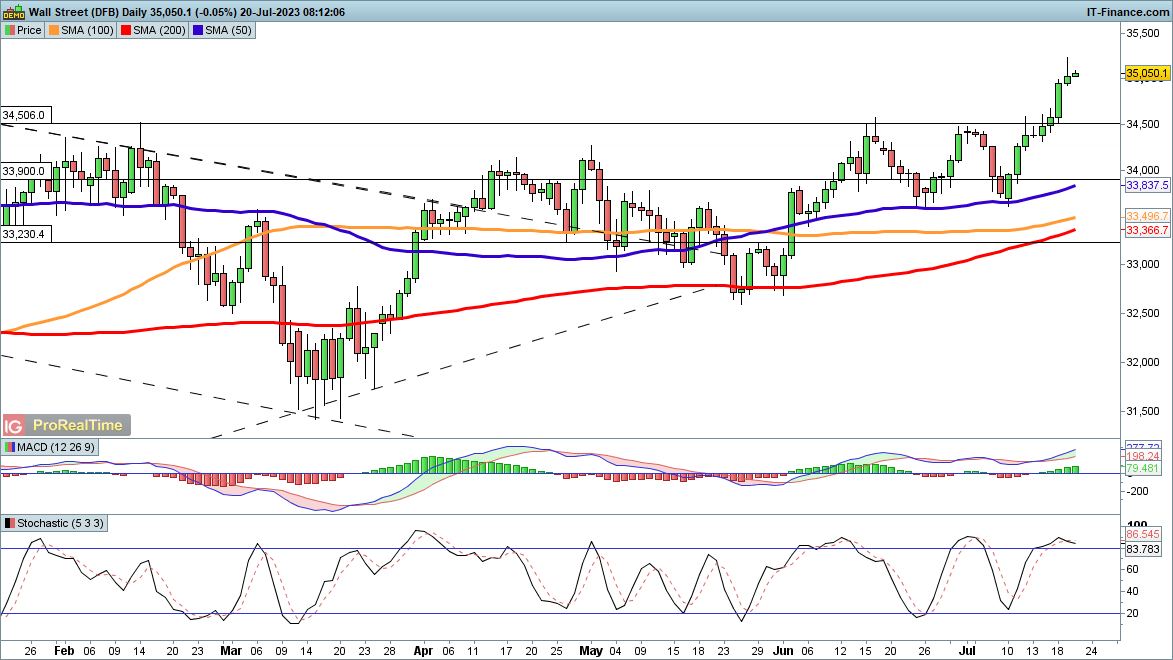
​​​Dow at new 2023 highs

​The index surged to a new high for the year on Wednesday, as earnings continued to support the bullish view. ​Having enjoyed a strong performance over the past week, some consolidation might not be surprising, perhaps even seeing the index head back to retest 34,500 while leaving the breakout intact.

​​A close back below 34,500 might signal that another drop to the 50-day SMA was in the offing.

​Dow Jones Daily Price Chart

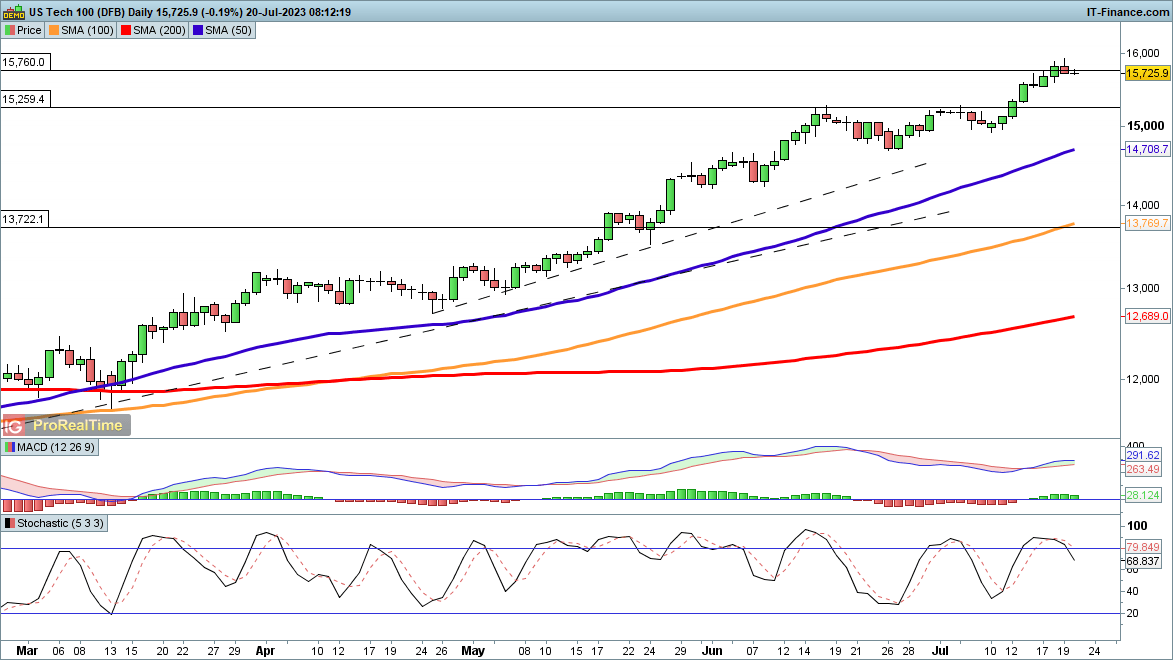
​Nasdaq 100 muted after Tesla and Netflix earnings

​Further strength has been seen in this index over the week so far. ​Dip buyers continue to step after the slightest weakness. The June peak was followed up by a brief drop that then turned into a new move higher. The all-time highs at 16,630 are back in play once again.

​A move back below 15,000 is needed to dent the bullish view overall.

Nasdaq 100 Daily Price Chart​

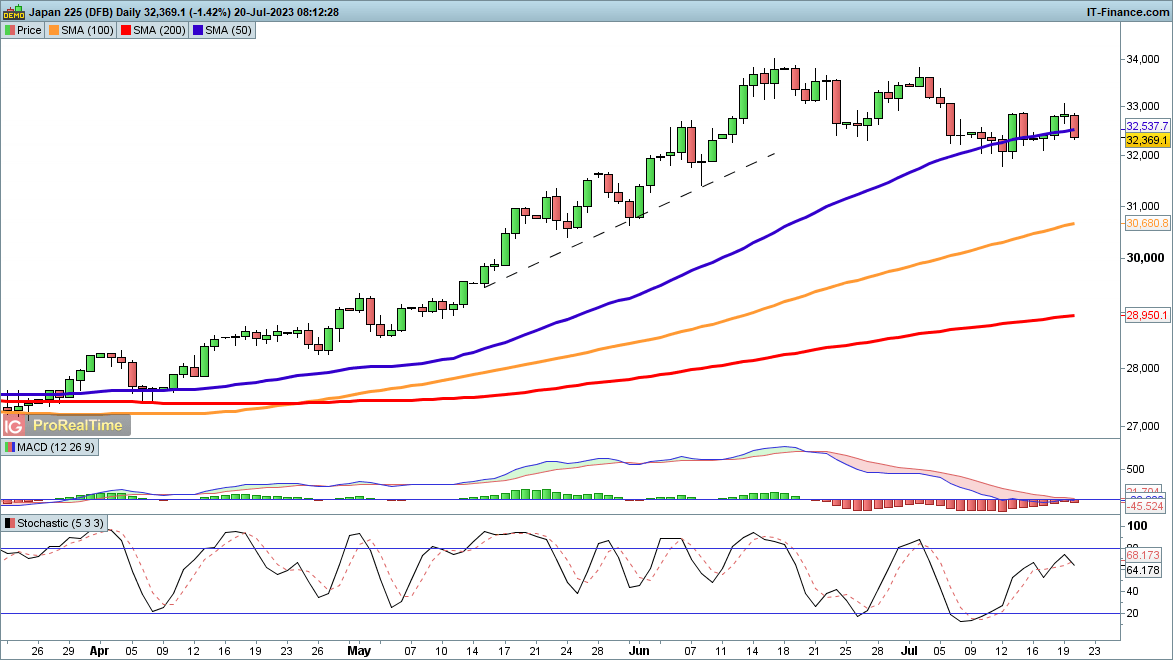
​Gains above 33,000 proved impossible to sustain on Wednesday and the index reversed course on Thursday.​The close back below the 50-day SMA would negate the bullish outlook for the time being, and would then bring 31,800 into play once more, the low from earlier in July.

​Bulls will want to see a recovery above 33,000 to suggest that a low is in place.

Nikkei 225 Daily Price Chart

Treasury Sanctions Drug Traffickers Operating Across Europe and North America

Treasury Sanctions Drug Traffickers Operating Across Europe and North America

WASHINGTON — Today, the Department of the Treasury’s Office of Foreign Assets Control (OFAC) sanctioned three Belgian nationals and one Mexican national for international drug trafficking, including cocaine and fentanyl. Those designated today are involved in the importation and distribution of narcotics destined for U.S. and European markets.

“Today’s actions underscore the importance of our collective efforts to disrupt the global illicit drug trade,” said Under Secretary of the Treasury for Terrorism and Financial Intelligence Brian E. Nelson. “Treasury, in close coordination with our law enforcement partners, will continue to target the drug facilitators that threaten the lives of hundreds of thousands in the United States and around the globe every year.”

OFAC’s actions are the result of ongoing collaboration with U.S. government partners, including the Drug Enforcement Administration’s (DEA) Belgium, San Diego, and Atlanta Field Offices.  Additionally, today’s actions were coordinated closely with the Antwerp prosecutor’s office, Federal Judicial Police Antwerp (Belgium), and the Government of Mexico’s La Unidad de Inteligencia Financiera (Mexico’s Financial Intelligence Unit).

DISRUPTING Cocaine-RELATED TRAFFICKING IN BELGIUM

Today, OFAC sanctioned three Belgian nationals, including Othman El Ballouti, who is a high-level drug trafficker, as well as his younger brother, Younes El Ballouti, and his associate, Youssef Ben Azza. Othman El Ballouti manages an international criminal organization that smuggles significant quantities of cocaine via shipping containers through the Port of Antwerp in Belgium for wider distribution throughout Europe. Othman El Ballouti’s money laundering and narcotics supply chain networks are linked to businesses based in the People’s Republic of China (PRC), as well as South American cocaine suppliers, to include Ecuadorian national Wilder Emilio Sanchez Farfan, who OFAC designated in February 2022. Sanchez Farfan was arrested in Colombia in February of this year.

Younes El Ballouti serves a manager in his brother’s narcotics trafficking organization. In January 2023, Younes El Ballouti was sentenced, in absentia, to an 8-year prison term in Belgium for his involvement in multiple drug shipments. Youssef Ben Azza, who has been involved in drug trafficking for over a decade, assists Othman El Ballouti in establishing ostensibly legitimate companies, which are created to conceal the organization’s involvement in illicit activities.

Currently, Othman El Ballouti, Younes El Ballouti, and Youssef Ben Azza are wanted by Belgian authorities for cocaine trafficking. They are believed to be living in Dubai, United Arab Emirates, in an attempt to evade prosecution. They were designated by OFAC pursuant to E.O. 14059 for having engaged in, or attempted to engage in, activities or transactions that have materially contributed to, or pose a significant risk of materially contributing to, the international proliferation of illicit drugs or their means of production.

DISRUPTING FENTANYL-RELATED TRAFFICKING IN MEXICO

Today, OFAC also sanctioned Mexican national, Franco Tabarez Martinez, a narcotics trafficker operating in Guerrero, Mexico, who works in alliance with La Nueva Familia Michoacana drug trafficking organization, which was designated by OFAC in November 2022 pursuant to E.O. 14059. Tabarez Martinez distributes cocaine, fentanyl, and methamphetamine to the United States, including Atlanta, Georgia and Houston, Texas. In addition, Tabarez Martinez manages methamphetamine laboratories in Mexico and has received fentanyl powder from the PRC.

On July 7, 2023, an indictment charging Tabarez Martinez with drug trafficking, among other charges, was unsealed in the Northern District of Georgia. Tabarez Martinez was previously imprisoned in the United States for drug trafficking.

OFAC designated Tabarez Martinez pursuant to E.O. 14059, for having engaged in, or attempted to engage in, activities or transactions that have materially contributed to, or pose a significant risk of materially contributing to, the international proliferation of illicit drugs or their means of production.

LA NUEVA FAMILIA MICHOACANA

As noted above, OFAC sanctioned La Nueva Familia Michoacana in November 2022 pursuant to E.O. 14059. La Nueva Familia Michoacana operates in approximately 35 Mexican municipalities in the states of Michoacán, Guerrero, Morelos, and the Estado de Mexico. Of note, the organization is engaged in the trafficking of various illicit drugs—including methamphetamine, heroin, cocaine, and fentanyl—from Central America to the United States, as well as the sale of rainbow fentanyl. In addition to drug trafficking, La Nueva Familia Michoacana generates revenue from other illicit activities, such as illegal mining and extortion.

La Nueva Familia Michoacana is the successor of the original La Familia Michoacana, which was originally designated in 2009 pursuant to the Foreign Narcotics Kingpin Designation Act, and designated again in December 2021 pursuant to E.O. 14059.

SANCTIONS IMPLICATIONS

As a result of today’s action, all property and interests in property of the designated individuals and entities that are in the United States or in the possession or control of U.S. persons must be blocked and reported to OFAC. In addition, any entities that are owned, directly or indirectly, 50 percent or more by one or more blocked persons are also blocked. OFAC’s regulations generally prohibit all dealings by U.S. persons or within the United States (including transactions transiting the United States) that involve any property or interests in property of designated or otherwise blocked persons.

These actions are the latest part of a whole-of-government effort by the Biden-Harris Administration to combat the illicit opioid epidemic, including by going after the criminal networks manufacturing and trafficking illicit fentanyl. In addition to sanctions, the United States brought together almost 100 countries and international organizations to form a Global Coalition to Address Synthetic Drug Threats and has partnered with law enforcement around the world to disrupt and dismantle transnational criminal organizations, as well as providing support to more than 20 million Americans in recovery, and offering over 30 rewards—totaling over $75 million—for information to help bring fentanyl traffickers to justice through the Narcotics and Transnational Organized Crime Rewards Programs.

Treasury’s action demonstrates the Administration’s strengthened approach to saving lives by disrupting the trafficking of illicit fentanyl and its precursors into American communities. OFAC, in coordination with its U.S. Government partners and foreign counterparts, will continue to target and pursue accountability for foreign illicit drug actors.

In addition, persons that engage in certain transactions with the individuals and entities designated today may themselves be exposed to sanctions or subject to an enforcement action.

The power and integrity of OFAC sanctions derive not only from OFAC’s ability to designate and add persons to the Specially Designated Nationals and Blocked Persons List (SDN List), but also from its willingness to remove persons from the SDN List consistent with the law. The ultimate goal of sanctions is not to punish, but to bring about a positive change in behavior.

Japan posts 1st trade surplus in nearly 2 yrs in June

Japan posts 1st trade surplus in nearly 2 yrs in June

TOKYO (Kyodo) — Japan posted a 43 billion yen ($300 million) trade surplus in June, returning to the black for the first time in nearly two years amid robust U.S.-bound exports and falling energy import costs, government data showed Thursday.

For the first six months of 2023, resource-poor Japan ran a trade deficit of 6.96 trillion yen, though it was almost 13 percent lower than a year ago.

In June, robust U.S. demand for cars and construction machinery boosted Japan’s overall exports by 1.5 percent to 8.74 trillion yen, the largest ever for the month. Imports dropped 12.9 percent to 8.70 trillion yen as those of crude oil, coal and liquefied natural gas all fell.

Exports tend to rise in June after overseas shipments slow in May when Japan has its Golden Week holiday period, according to analysts.

“It’ll be difficult for export growth to accelerate when demand from China as well as the United States and Europe is all expected to stagnate,” said Kota Suzuki, an economist at Daiwa Securities.

“China’s recovery, in particular, has been slower than previously expected and it’s unlikely that increased China-bound shipments will drive growth in Japanese exports,” he added

Japan’s trade surplus with the United States expanded 37.4 percent to 817.50 billion yen as exports rose 11.7 percent to 1.74 trillion yen, a record for June, the Finance Ministry said in a preliminary report.

Imports slipped 4.2 percent to 921.29 billion yen as those of crude oil and wheat fell.

The country had a trade deficit of 442.83 billion yen with China, down 7.6 percent, as exports fell more than imports due to slackening demand for steel and chips in the world’s second-largest economy.

Japan’s trade balance with the rest of Asia came to its first surplus in two months of 280.80 billion yen while a trade deficit of 26.24 billion yen was reported with the European Union.

Japan has been at the mercy of surging energy import costs that have been magnified by the yen’s weakness. The dollar has been strong against the yen, reflecting the widening interest rate gap between the United States and Japan.

Crude oil prices dropped 25.0 percent in June from a year ago in yen terms.

“The value of imports will likely be on a downtrend in line with falling commodity prices while export growth slows. In such an environment, Japan will likely report trade deficits going forward,” Suzuki added.

Ongoing monetary tightening by the United States and other major economies has fueled worries about a global economic slowdown, which would be a blow to Japanese exporters that form the backbone of the world’s third-largest economy.

For the first half of 2023, exports gained 3.1 percent to 47.35 trillion yen, buoyed by cars, construction machinery and ships. Imports rose 0.7 percent to 54.31 trillion yen, with coal a major contributor.

Japan’s first-half trade surplus increased 20.7 percent to 3.49 trillion yen with the United States while it saw a roughly 1.5-fold increase in its trade deficit to 3.65 trillion yen with China, according to the ministry data.

China’s state banks seen selling US dollars offshore to slow yuan declines

China’s state banks seen selling US dollars offshore to slow yuan declines

SHANGHAI : China’s major state-owned banks were seen selling dollars to buy yuan in the offshore spot market in early Asian trades on Thursday, two people with direct knowledge of the matter said.

Such state bank dollar selling was meant to slow the pace of yuan declines, one of the sources said.

China’s central bank on Thursday also announced a relaxing of a cross-border financing rule, making it easier for domestic firms to raise funds from overseas markets and easing depreciation pressure on the yuan currency.

China’s offshore yuan strengthened more than 0.7 per cent to a high of 7.1812 per dollar before last trading at 7.1890 as of 0249 GMT.

In the onshore market, the yuan followed a similar upward bounce, but it is still down about 4 per cent against the dollar year-to-date, making it one of the worst performing Asian currencies for 2023.

Reports that China is considering easing mortgages – to help the property sector

Reports that China is considering easing mortgages – to help the property sector

Chatter about the place, no further details at this stage but if true would be supportive of risk assets at the margin.

The aim would be to spur residential property buying to help prop up the troubled sector.

Added – ok here we go, a little more (info via Bloomberg, gated):

  • Regulators are weighing scrapping rules that disqualify people who’ve ever had a mortgage – even if fully repaid – from being considered a first-time homebuyer in major (tier-1) cities
  • Currently homebuyers with a mortgage record who don’t own a property are still subject to the higher down-payment and more restrictive borrowing limits applied to those buying a second home.
china property 06 January 2023
EUR/USD Price Forecast: Euro Fading Into Central Bank Week?

EUR/USD Price Forecast: Euro Fading Into Central Bank Week?

EURO FUNDAMENTAL BACKDROP

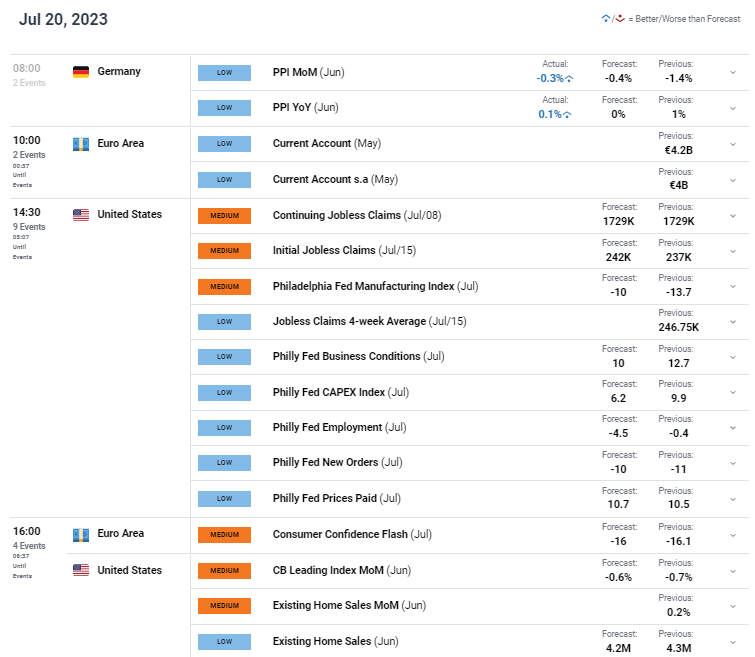
The euro picked up some support ahead of the European session as German PPI data (see economic calendar) beat estimates that could point to continued inflationary pressures within the German economy. This falls in line with yesterday’s CPI report but the tone set out by ECB officials seems to be more dovish as economic growth concerns in the region ramp up.

EUR/USD ECONOMIC CALENDAR (GMT +02:00)

image1.png

With roughly two additional interest rate hikes expected (see below) between now and year end, the likelihood of a 25bps increment next week is almost certain. What markets will focus on is forward guidance post-July which could provide some clarity as to the ECB’s thinking and where to next for EUR/USD. The ECB’s Governing Council member Yannis Stournaras already stated that the eurozone may not be able to withstand further monetary policy tightening after July leaving the door open for a weaker euro should this come to fruition.

Later today, US jobless claims and EZ consumer confidence data will drive interest and add yet another notch to the overall economic picture for the respective regions.

EUROPEAN CENTRAL BANK INTEREST RATE PROBABILITIES

image2.png

TECHNICAL ANALYSIS

EUR/USD DAILY CHART

image3.png

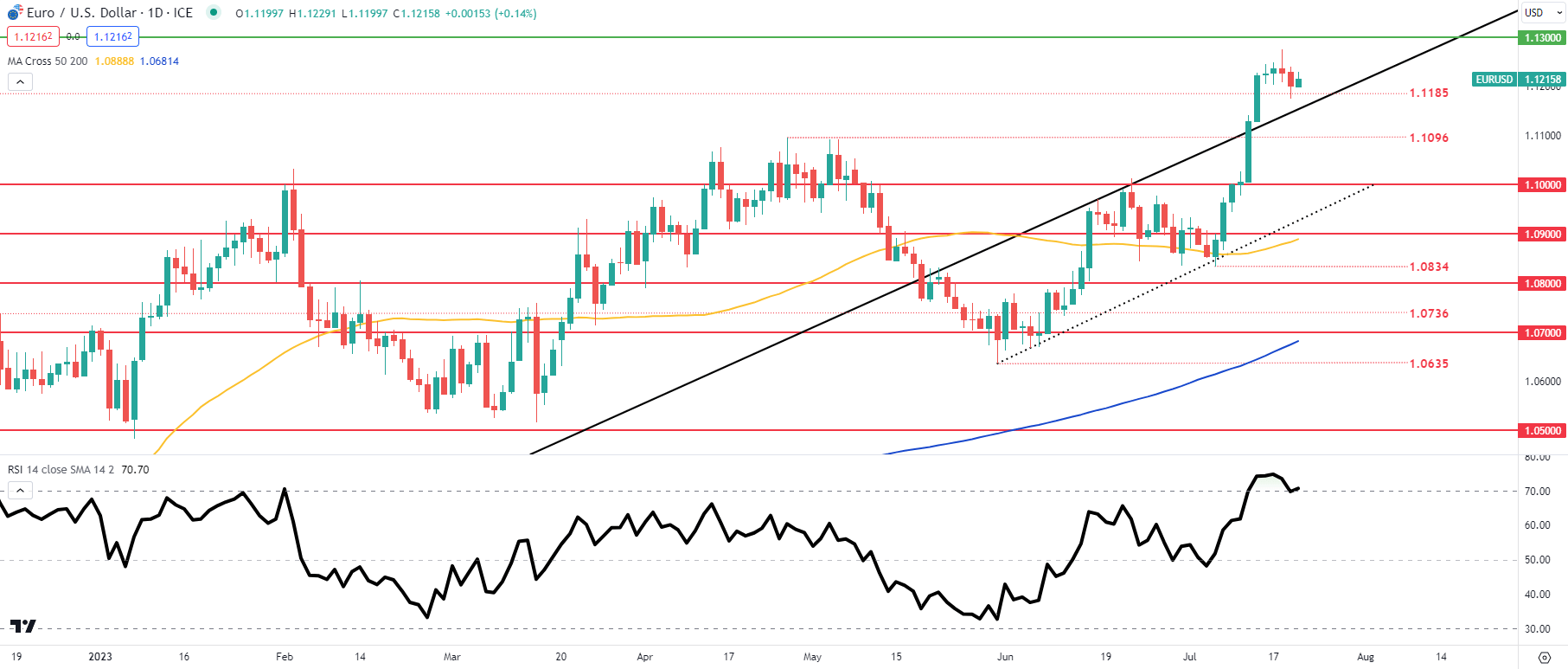
Daily EUR/USD price action hovers around overbought territory as indicated by the Relative Strength Index (RSI) and with recent candlesticks including today’s early movement shows long upper wicks that could hint and impending downside to come.

Resistance levels:

  • 1.1300

Support levels:

  • 1.1185
  • 1.1096
  • 1.1000

IG CLIENT SENTIMENT DATA: MIXED

IGCS shows retail traders are currently SHORT on EUR/USD, with 75% of traders currently holding short positions (as of this writing). At DailyFX we typically take a contrarian view to crowd sentiment but due to recent changes in long and short positioning we arrive at a short-term cautious bias.

USD/CAD prints four-day losing streak around mid-1.3100s amid sluggish US Dollar, Oil price

USD/CAD prints four-day losing streak around mid-1.3100s amid sluggish US Dollar, Oil price

USD/CAD bears cheer the US Dollar’s retreat from the weekly high amid sluggish Oil prices early Thursday morning in Europe. That said, the Loonie pair drops for the fourth consecutive day to around 1.3145 by the press time, after refreshing the weekly low with the 1.3133 figure. In doing so, the quote consolidates Friday’s stellar rebound from the lowest levels since September 2022.

US Dollar Index (DXY) drops 0.25% intraday to retest the 100.00 round figure while snapping a two-day rebound from the lowest level since April 2022. With this, the greenback justifies the previous day’s downbeat US housing data and mixed concerns about the Fed, as well as ignores the optimism at the US banks.

US Building Permits for June marked a contraction of 3.7% versus the previous increase of 5.6% (revised) whereas the Housing Starts also slumped 8.0% for the said period from 15.7% revised prior. Though the previously released slower growth of the US Retail Sales for June contrasted with promising details to defend the Federal Reserve in keeping the rates higher for longer, as well as help in announcing a 0.25% rate hike in July. The same triggered the US Dollar’s corrective bounce off the 15-month low on Tuesday and helped defend the recovery on Wednesday, ahead of the latest retreat.

On the other hand, WTI crude oil remains indecisive near $75.40 as it struggles for clear directions after reversing from a one-week high the previous day. The black gold’s latest inaction could also be linked to the dual between the lesser-than-expected inventory draw and the softer US Dollar.

Elsewhere, the fresh fears of the US-China tussles, emanating from the comments of China diplomat and the US House of Representatives move concerning outbound investments and AI chips, seem to prod the USD/CAD bears of late.

It should be noted that the mixed concerns about the Federal Reserve’s (Fed) move in 2023, even as the July rate hike is confirmed, contrast with the Bank of Canada’s (BoC) hawkish bias to keep the USD/CAD bears hopeful.

Looking ahead, second-tier employment and housing clues from the US and Canada may entertain intraday traders of the USD/CAD pair ahead of Friday’s Canadian Retail Sales and the next week’s key Federal Reserve (Fed) monetary policy meeting. It’s worth noting that headlines surrounding the Fed and China will also direct short-term moves of the Loonie pair and are worth observing.

Technical analysis

Despite the USD/CAD pair’s latest weakness, a three-week-old bullish triangle formation, currently between 1.3110 and 1.3205, challenges the sellers amid steady RSI and sluggish MACD signals.

AUD/USD, AUD/JPY Analysis: Jobs data keeps hawkish pressure on the RBA

AUD/USD, AUD/JPY Analysis: Jobs data keeps hawkish pressure on the RBA

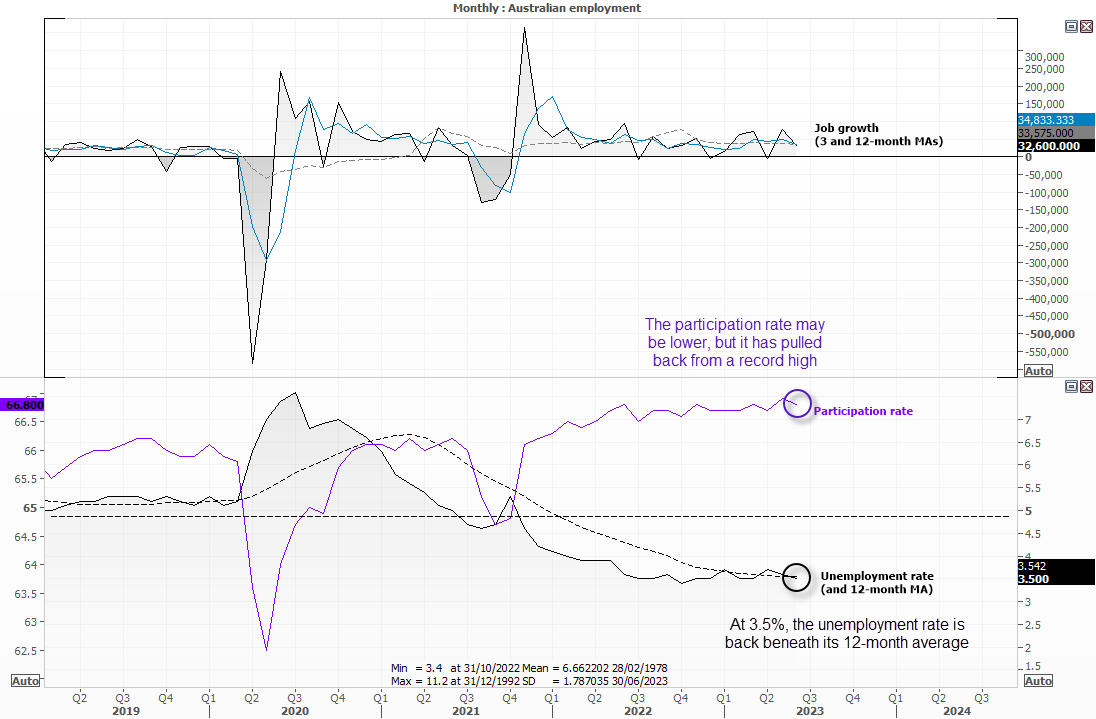
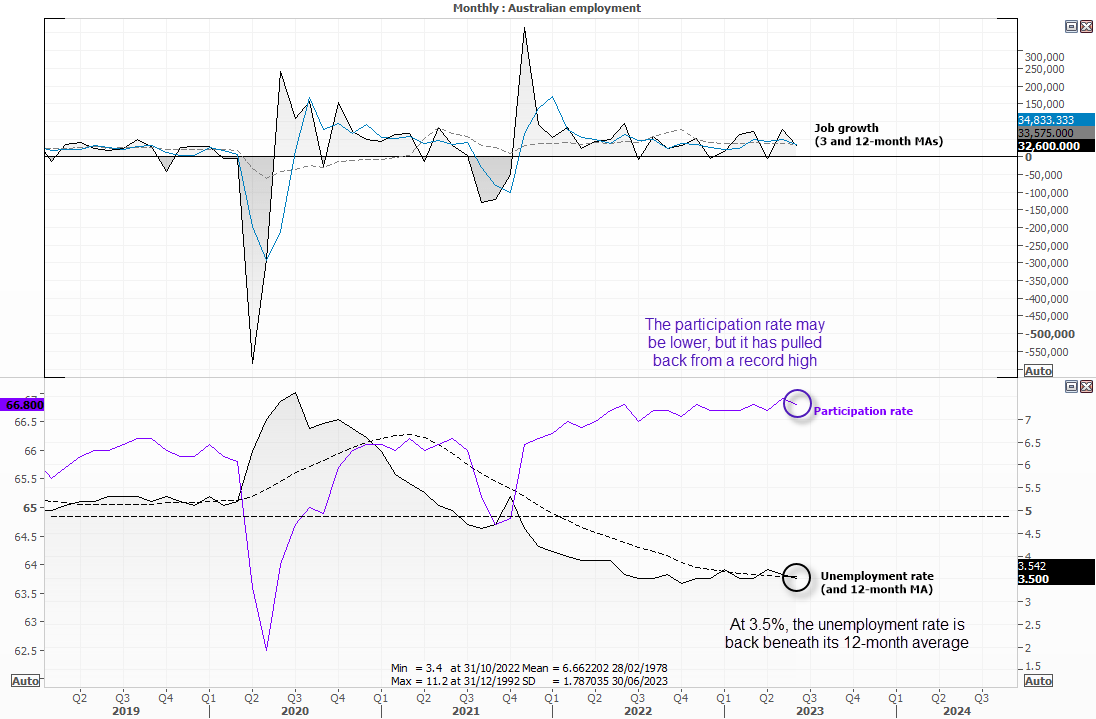
Job growth beat expectations and unemployment back to 3.5% and below its 12-month average. So we’ll turn a blind eye to the lower participation rate, given it has pulled back from a record high.

Ultimately, it’s another strong set of employment figures which keeps the pressure on a data-dependant RBA to potentially hike rates in August. And it could take quite a set of lowballed inflation figures next week for that pressure to be removed. Moreover, it’s the quarterly inflation report which carries more weight for the RBA’s decision.

20230720auemployment

AUD pairs spike higher, ASX 200 pauses at resistance

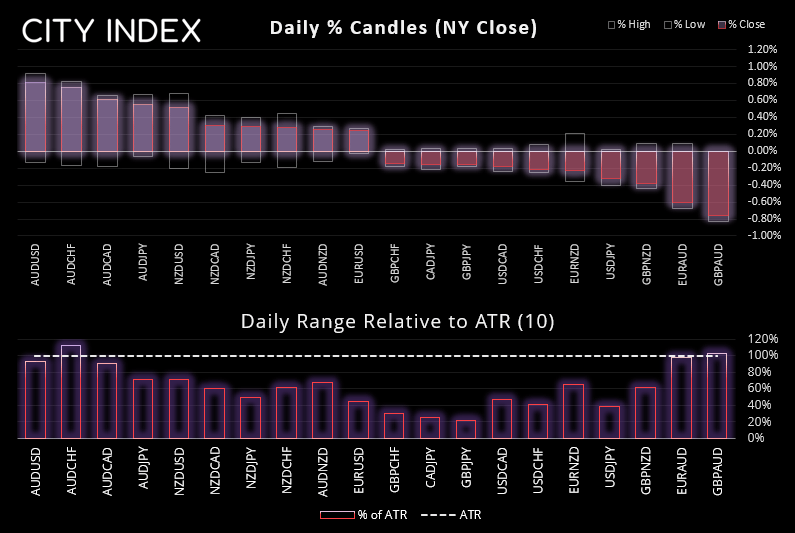
The Australian dollar has spiked higher across the board after the economy delivered another rate-hike defying report. AUD is currently the strongest FX major in today’s session, with AUD/CHF and GBP/AUD exceeding their 10-day ATR’s.

AUD/NZD has regained its footing above 1.0800 and now trades backs above its 50-day EMA, and the bias remains for the cross to move towards 1.0900 – a break above which brings 1.10 into focus. A key driver for this bias is for investors to slowly realise that the RBA may need to hike at least once or two more times whilst the RBNZ remain in pause mode, which will see the RBNZ-RBA interest rate differential diminish and support a higher AUD/NZD.

The ASX 200 has been knocked form its perch after its earlier attempt to tap 7400. And with it holding beneath the April and June highs, I suspect some bulls will be questioning their long exposure at these levels. A pullback could be due.

20230720forexCI

AUD/USD daily chart:

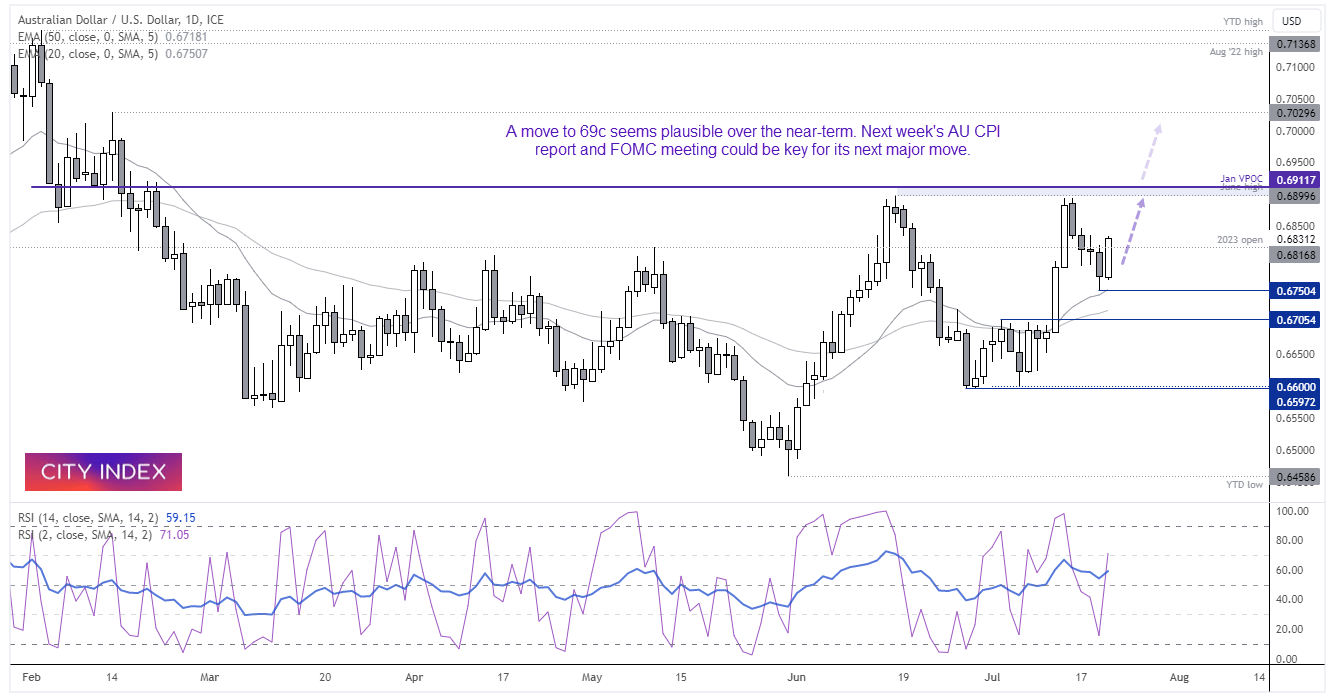
A 4-day pullback on AUD/USD found support just above the 50-day EMA and momentum has now realigned with its breakout of 67c last week. A daily close around current prices would provide a bullish engulfing day above the 2023 open price, which adds to the potential that an important swing low has been seen at 0.6750. From here, I suspect a move to 69c is now on the cards. Bulls could seek bullish setups within today’s range or seek bullish continuation patterns on intraday charts to hopefully improve the reward ratio.

20230720audusdCI

AUD/JPY 1-hour chart

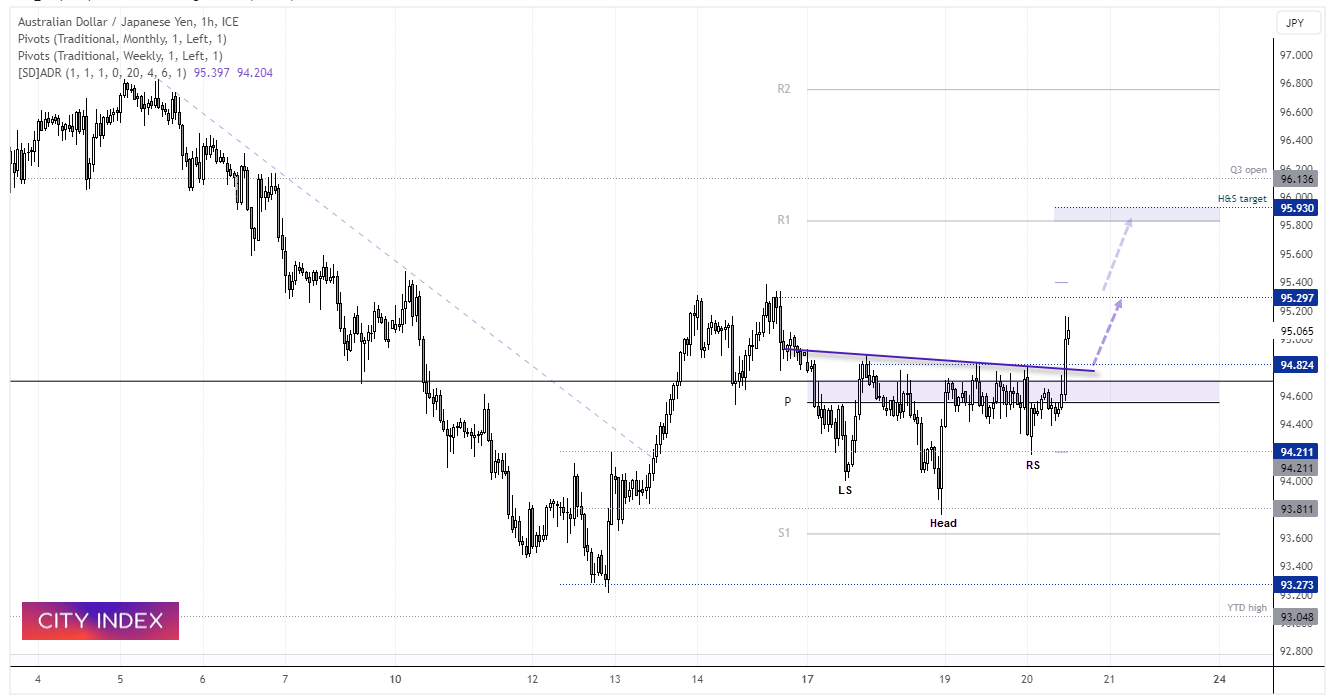
We outlined our bullish bias on AUD/JPY in today’s Asian Open report, and we can see how today’s employment report kicked it into action. We’ve seen a clean breakout of an inverted head and shoulders pattern which projects an approximate target just below 96.0. But as prices are near the 96 highs, we’d prefer to see prices pull back towards the neckline to increase the potential reward to risk ratio. And that leaves the highs around 93 and the weekly R1 pivot in focus for potential bullish targets.

20230720audjpyH1ci


Five of the best: UK sector leaders for tough times

Five of the best: UK sector leaders for tough times

Businesses in the UK, and globally, have had to deal with many headwinds and forces of change in the past few years. After nearly a decade and a half of “ZIRP” (zero interest rate policy), and now in the face of rapidly rising financing costs, many companies are having to reassess their business strategies amid a major shift in the economic regime.

You’ll quite often hear companies complain of the rising cost of doing business – and they’re not wrong. Interest rates are much higher, and hence so is the cost of capital. In addition, labour shortages are commonplace, as is high staff turnover.

Meanwhile, companies are also facing rising costs of materials and goods, coupled with limited supplies. To add to all of the above, tax rates are much higher than they were just a few years ago.

As a result of these changes, the barriers to compete and operate in many industries continue to rise. And we haven’t even mentioned generative artificial intelligence (AI), ever-more complex regulations and the need to invest in sustainability.

More competitive landscape – potentially good for industry leaders

The barriers to entry in many industries are rising rapidly, and are higher than at any time that we can remember in our 20-plus years of investing. In fact, it is harder to find a developed country where these pressures are collectively more acute than they are in the UK.

From our perspective as long-term investors we don’t necessarily see tough corporate times as a bad thing. We spend our days identifying and meeting management teams of the well-funded industry leaders with the scale and profitability to overcome such challenges.

The advantages of such companies are now becoming more apparent as the rising cost of doing business, and cost capital in particular, drive industry shake-outs and lessen “competitive intensity”. In many industries, competitive intensity is falling from high levels after ZIRP had favoured the challenger, or maverick business models for so long.

In this vein, we highlight leading companies from five completely different industries, spanning travel & leisure, retail, housebuilding, construction and real estate.

For each of these industries we’ve identified the leaders within them that we think are benefitting from the current environment. The highlighted companies typically have a particularly strong culture and the advantage of management teams with longer term vision and patience.

1. Travel & leisure

The hotel group: Whitbread Plc

The hotel industry in the UK has been through a particularly difficult time in recent years for obvious reasons. There are a number of large hotel groups, but much less so outside of London and the major cities. Premier Inn, Whitbread’s core asset, competes with larger groups such as Travelodge outside the large city market, but the majority of the market is occupied by independent hotel chains/individual owners.

Whitbread, we believe, is experiencing a reduction in competitive intensity as some of the independent hotel groups shrink for lack of funding. On the other side of the equation, new hotel openings are very limited. In the past two years, data we have seen from UBS Evidence Lab suggests the competitive intensity has fallen for Premier Inns if we measure it in terms of number of competitors within a 10-minute drive.

This is allowing Premier Inn more scope to grow and invest. In fact, not only is Whitbread investing heavily in its hotels in both the UK and Germany, but it can also afford a generous share buyback and dividend to boot. The result is a YouGov brand index score that is unrivalled in the industry.

2. Retail

The clothing and household goods retailer: Next Plc

Next operates in a highly competitive space where barriers to entry have historically been low (plenty of retail space available and many Eastern-based clothing manufacturers). The shift to online shopping has decimated the High Street and many retailers and brand owners have failed to make the leap online in a profitable way.

Next has done this very successfully, helped by the fact that the old Next Direct business was in fact an e-commerce business from the outset, with the logistics infrastructure and knowhow to operate in a post High Street world.

Astute brand management and investment from CEO Lord Simon Wolfson over the past 20-plus years has allowed Next to not only take more market share, but a much higher share of the value chain of the competition. There is Next the brand, and then there is Next the total platform which offers infrastructure, systems and technology to other consumer brands that do not have the resources or scale to operate in a world of digital shopping.

The recent cost of living squeeze, the rapidly rising cost of funding, the abundance of global supply chain issues, and the sharp increase in supply chain standards (e.g. Leicester sweat-shop allegations) are making the barriers to compete ever higher to climb. It is no surprise to us that the market share of the Next brand continues to grind upwards versus its key competitors. It is also no surprise to us that Next recently increased its profit guidance for 2023.

3. Housebuilding

The London-focused housebuilder: Berkeley Group Holdings

When it comes to the UK housebuilding industry there are almost two separate markets, one inside the M25 encompassing London and one outside it. The mix of buyers, the labour pool, and regulations (land scarcity, mostly brownfield sites) are quite different.

The business of planning, developing, and selling in London is in many ways more complex than anywhere else in the country. For this reason, we see a limited presence in the London market from the large listed builders, who tend to focus their sights (sites!) on the regions.

Berkeley is the largest builder operating in London with an historic share of about 12%, competing mainly against a long tail of private builders. Following the fallout of the Grenfell Tower tragedy, the rise in politics around building standards has led to the unintended consequence of a sharp contraction in the number of new apartments being built/planned in the city. Housing starts are a fraction of government targets in the capital.

Berkeley has a fantastic track record of buying and developing land at the right times in the cycle, and has the enviable position of sitting on 12-plus years of a land bank with unrivalled expertise in the complex brownfield planning process. Recently, the group’s share of starts has shot up because of others retrenching. Peer housebuilders in London tend to operate with much shorter land banks, and with funding so tight, supply is likely to be severely constrained in the coming years.

The return of the international buyer (about 50% of Berkeley’s unit sales) following the pandemic is also a support for demand in a world of high mortgage rates.With a backdrop of tighter supply, it is interesting to note that when adjusted for inflation, the “real” price of a house in London has fallen 21% since 2016, already worse than what occurred in the financial crisis in 2008/09. Assuming flat house prices until the end of 2024, and a 4% inflation rate, real house prices will have corrected by a whopping 28%.

The point being that the starting point for London house prices is not necessarily indicative of a hot market.

London real house prices

4. Construction

The aggregates and asphalt manufacturer: Breedon Group Plc

Breedon is one of four national players in the aggregates (quarries) and cement industry. The quarry industry has a long tail of small and mid-sized regional players but because of the heavy and low value nature of the products (aggregates, asphalt in particular), the product does not travel far from source. These dynamics afford the four national players a high local market share.

Being a highly consolidated industry it is a good one in terms of margins and returns in the UK. It is also important to note that new quarries don’t tend to get sanctioned anymore, and are in finite supply. Supply of aggregates (crushed rock/sand and gravel) in the UK market is actually pretty flat over the past 50 years. Meanwhile, the cement import market is also controlled by the same large four national players (which include the UK arms of global peers CRH and Holcim).

A number of disruptions and changes have hit the industry in recent years including the sky high cost of energy, the rising cost of carbon credits, and the need to invest heavily in decarbonisation. The latter in fact is becoming a pre-requisite to winning large national and regional contracts for road paving, in a market that has previously been dominated by price.

Market forces are pushing the industry to concentrate on the strong scale players; for example those with the cost and scale required to hedge energy cost volatility or with the balance sheet to invest in renewable technologies and fuels. Breedon is a clear winner in this space (also in terms of leading the decarbonisation drive) and will continue to take share over time. The UK has a high need for road repair, and the levelling-up agenda and investment in infrastructure will enable continued growth for the sector.

When we invest we look for pricing power as a important ingredient in judging the quality of a company. Breeden enjoys pricing power in an industry where prices have outstripped broader inflationary trends (see chart, below).

UK aggregates prices versus inflation

5. Real estate

The student accommodation specialist: The Unite Group Plc

Unite is the longest serving and leading purpose built student accommodation, or PBSA provider in the UK. It is one of very few fully integrated (developer, owner, operator) players in the space, and its scale and integrated model make it the most profitable. Student accommodation is a specialist industry when it comes to real estate, and a highly focused and customer centric approach is required to make good returns. Barriers to entry in the overall provision of accommodation to students are rising rapidly at a time when demand is also rising fast.

Competitors to Unite and the other PBSA real estate investment trusts (Reits), but also the university owned digs as well as the HMO (houses in multiple occupation) market operated by private landlords.

A mixture of both local and national regulations is making it harder to be a private landlord, notwithstanding the higher tax burden and energy efficiency standards. University budgets are not lined with gold either, and development is being pushed more to providers such as Unite via nomination agreements (long term offtake contracts between the PBSAs and university groups). Unite has the relationships and the balance sheet to continue taking a higher share in this growing market.

The ever rising cost of capital and the shock of the pandemic is also putting paid to new investment in the sector, with pipelines rather thin versus history (Unite being an exception here). Unite has taken its opportunities well, having invested heavily in the London land market post Brexit when other investors were pulling back.

It is very well placed to grow over the next decade where demographics are particularly favourable, as the population of those turning 18 jumps by over 20% by 2030 (see charts, below).


University application ratesPopulation turning 18 in UK

Please note any past performance mentioned is not a guide to future performance and may not be repeated. The sectors, securities, regions and countries shown are for illustrative purposes only and are not to be considered a recommendation to buy or sell.

Japan Raises This Year’s Price View to 2.6% Ahead of BOJ Meet

Japan Raises This Year’s Price View to 2.6% Ahead of BOJ Meet

The Japanese government raised its overall inflation forecast to 2.6% for the current fiscal year ahead of the central bank’s policy decision meeting next week, the Cabinet Office said Thursday.

The upward revision from the previous forecast of 1.7% shows stronger-than-expected inflationary pressure. Japan saw that trend holding up even after accounting for government price-relief measures, which the Cabinet Office says shaves 0.5 percentage points off this year’s price reading.

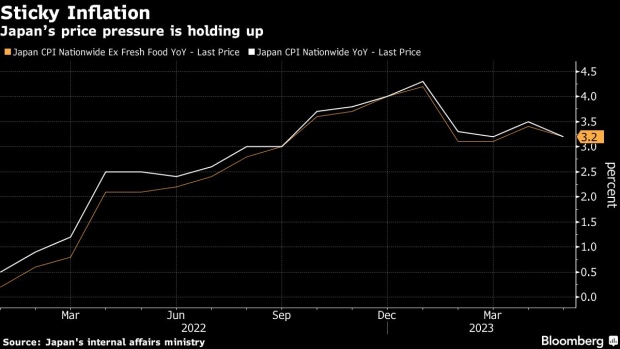
For fiscal 2024, the government expects overall inflation to slow to 1.9%. The forecasts are for year-on-year changes on overall consumer prices, which stood at 3.2% in May. June data is due Friday, with analysts expecting the reading to remain at the same level.

The forecasts come ahead of the Bank of Japan’s latest policy meeting at the end of next week, which investors are closely watching for any shifts to policy. Until last month, many economists were linking a possible upward revision to the central bank’s price outlook to a change in policy, but fewer analysts now see that as likely in the latest survey.

This time the BOJ is said to raise its inflation forecast above 2% for this fiscal year, but their view for the following year is expected to be largely unchanged, potentially suggesting that the central bank may hold off from any major change this time.

The BOJ has kept up its aggressive monetary easing in an effort to get its main inflation gauge — consumer prices excluding fresh food — to be anchored above its 2% target.

Earlier this week, BOJ Governor Kazuo Ueda indicated it would take a shift in the bank’s assessment of stably achieving its inflation target to change its stance of continuing with persistent monetary easing.