
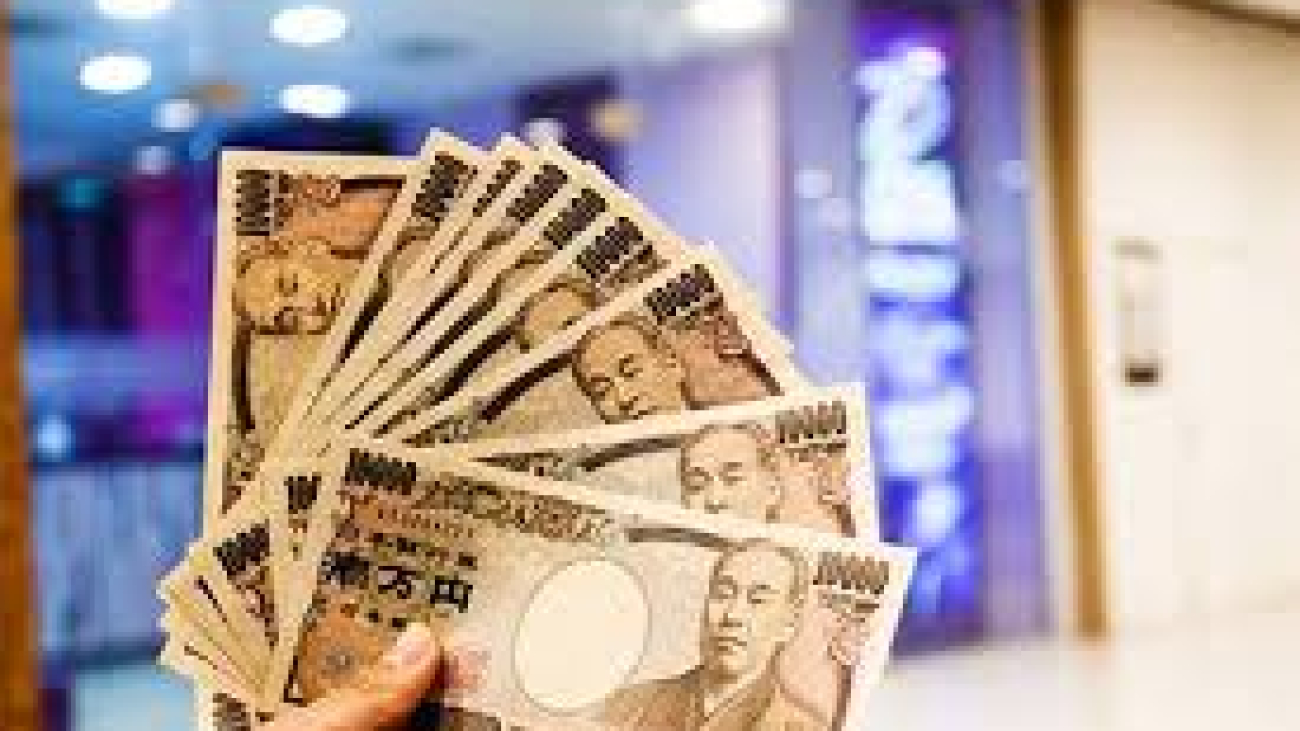
The Japanese yen fell broadly in Asian trading on Monday against a basket of major and secondary currencies, extending its losses for a third consecutive session against the US dollar and hitting a two-month low, as investors continued to favor the US currency as a preferred alternative investment. The move comes as global oil prices surged and moved close to the $120 per barrel mark for the first time since 2022.
The decline in the Japanese currency came despite the release of strong data from Tokyo earlier today, showing that real wages in Japan rose to their highest level in six months, which could increase inflationary pressure on policymakers at the Bank of Japan.
Price Overview
Japanese yen exchange rate today: the dollar rose 0.75% against the yen to ¥158.90, the highest level since January 23, up from Friday’s closing level of ¥157.75, while the session’s low was recorded at ¥158.03.
The yen ended Friday’s trading down 0.15% against the dollar, marking its second consecutive daily loss due to the fallout from the Iran war.
Last week, the yen lost about 1.1% against the dollar, marking its third consecutive weekly decline, driven by the military conflict in the Middle East and reduced expectations for Japanese interest rate hikes.
Global oil prices
Global oil prices jumped more than 30% at the start of trading on Monday, breaking above the $100 per barrel threshold for the first time since 2022 and heading toward their largest daily gain in nearly 40 years.
Prices are rapidly approaching the $120 per barrel mark as the military conflict in the Middle East intensifies, prompting major producers in the region to cut output following attacks on energy facilities.
US Dollar
The dollar index rose 0.85% on Monday, reaching a four-month high of 99.70, reflecting broad strength in the US currency against a basket of global peers.
The rally comes as investors buy the dollar as a preferred safe-haven asset, with the Iran war entering its tenth day and signs growing of a wider military conflict in the Middle East, particularly after Mojtaba, Khamenei’s son, was selected as his successor — a development not welcomed in the United States.
Views and analysis
Ray Attrill, head of FX strategy at National Australia Bank, said the US dollar is receiving strong support from traditional safe-haven demand as well as from the United States’ status as a net energy exporter, in sharp contrast to most European countries.
Michael Every, global strategist at Rabobank, said: “The longer this heated situation continues, the more rapidly the damage multiplies, which is now being reflected in oil markets that last week still had some expectations that the situation could become far worse.”
Deepali Bhargava, head of regional research for Asia-Pacific at ING, said the real question is how high prices will rise and how long they will remain elevated, as this will ultimately determine the economic consequences.
She added that a prolonged conflict combined with continued currency weakness would directly increase inflationary pressures across the region.
Japanese wages
Japan’s labor ministry said Monday that total monthly cash earnings and a separate measure of full-time wages rose 3.0% year-on-year in January, the fastest pace since July and above expectations for a 2.5% increase, after wages had risen 2.4% in December.
The strong wage growth paves the way for further increases in prices and faster inflation in the coming period. Renewed inflationary pressure on policymakers at the Bank of Japan strengthens the case for interest rate hikes this year.
Japanese interest rates
Following the above data, market pricing for a 25-basis-point rate hike by the Bank of Japan at its March meeting remained at 5%.
Pricing for a 25-basis-point rate increase at the April meeting rose from 25% to 35%.
In the latest Reuters poll, the Bank of Japan is expected to raise interest rates to 1% by September.
Analysts at Morgan Stanley and MUFG wrote in a joint research report that they had previously viewed the probability of a rate hike in March or April as low, but with rising uncertainty stemming from developments in the Middle East, the Bank of Japan is likely to adopt a more cautious stance, reducing the likelihood of near-term rate increases.
Investors are now awaiting additional data on inflation, unemployment, and wages in Japan to reassess these expectations.






 Chat now!