oil_447

Crude oil is surrounded by positive pressure

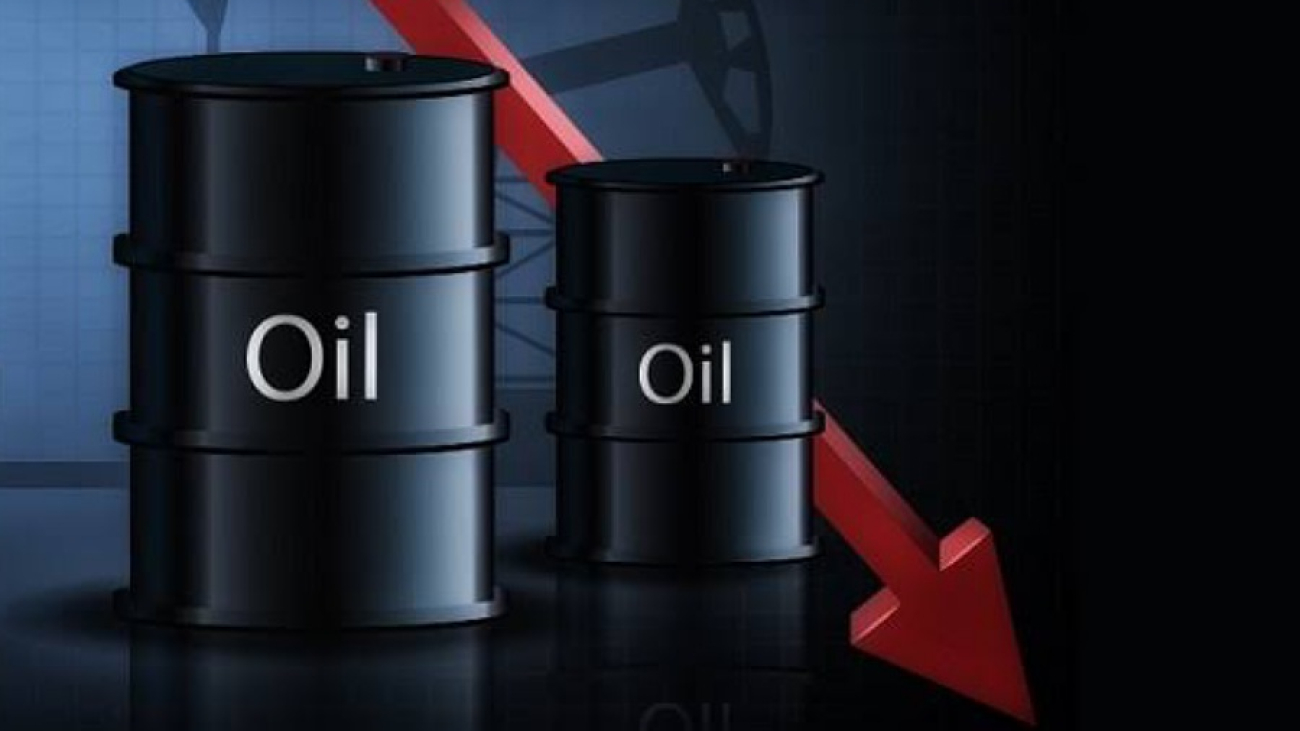
Crude oil prices rose during recent intraday trading, supported by a short-term bullish wave, reflecting a clear improvement in buying momentum and continued positive pressure on price movements.


This performance comes as the price continues to trade above EMA50, which provides dynamic support that reinforces the stability of the bullish trend and gives the price renewed momentum. This is happening alongside ongoing positive signals from relative strength indicators, supporting the chances of further gains in the near term.

gold55

Gold prices witness limited gains under bearish trend pressure

Gold posted slight gains during its recent intraday trading, but it continues to move along a minor bearish trend line in the short term, reflecting ongoing selling pressure, especially as it remains below EMA50, which limits chances of near-term recovery.


On the other hand, some positive signals started to appear on the relative strength indicators, with a bullish crossover forming after reaching oversold levels. This may help ease the negative pressure and push the price into a phase of sideways consolidation in the coming period, awaiting clearer direction.

oil5

Oil rallies 3% as US-Iran talks falter, supplies remain disrupted

Oil prices surged by approximately 3% on Monday as stalled peace negotiations between the United States and Iran, combined with a dual blockade in the Strait of Hormuz, intensified global supply concerns.

Brent crude rose by $3.00, or 2.9%, to settle at 108.36 dollars per barrel—its highest level in three weeks. U.S. West Texas Intermediate (WTI) climbed $2.45, or 2.6%, to reach 96.85 dollars. These gains follow a historic week where Brent soared 17% and WTI 13%, marking the largest weekly increases since the conflict began.

Market optimism regarding a ceasefire faded over the weekend. While President Donald Trump signaled openness to a call for negotiations, he maintained that Iran would never be permitted to possess nuclear weapons. Meanwhile, Iranian Foreign Minister Abbas Araghchi conducted a high-stakes diplomatic tour through Oman and Pakistan before heading to Moscow. Despite these efforts, the two nations remain fundamentally at odds over the nuclear file and freedom of navigation through the Strait.

The dual blockade—Iran’s restriction of the Strait and the U.S. counter-blockade of Iranian ports—has paralyzed one of the world’s most critical energy arteries. Analysts at PVM Oil Associates estimate that between 10 to 13 million barrels per day (bpd) are currently offline.

– Vessel Traffic: Data from Kpler indicates that shipping through the Strait remains at a virtual standstill; on Sunday, only a single oil products tanker was recorded entering the Gulf.

– Inventory Drawdown: Global oil inventories are depleting at a record pace due to the ongoing disruptions.

Reflecting the severity of the crisis, Goldman Sachs significantly raised its oil price projections for the fourth quarter:

– Brent: Raised to 90 dollars per barrel.

– WTI: Raised to 83 dollars per barrel.

The bank warned that the global market is shifting toward a massive deficit. Analysts noted that the unprecedented scale of this shock and exceptionally high refined product prices pose economic risks that extend far beyond the raw cost of crude.


COPPER

Copper declines amid mounting US-Iran tensions

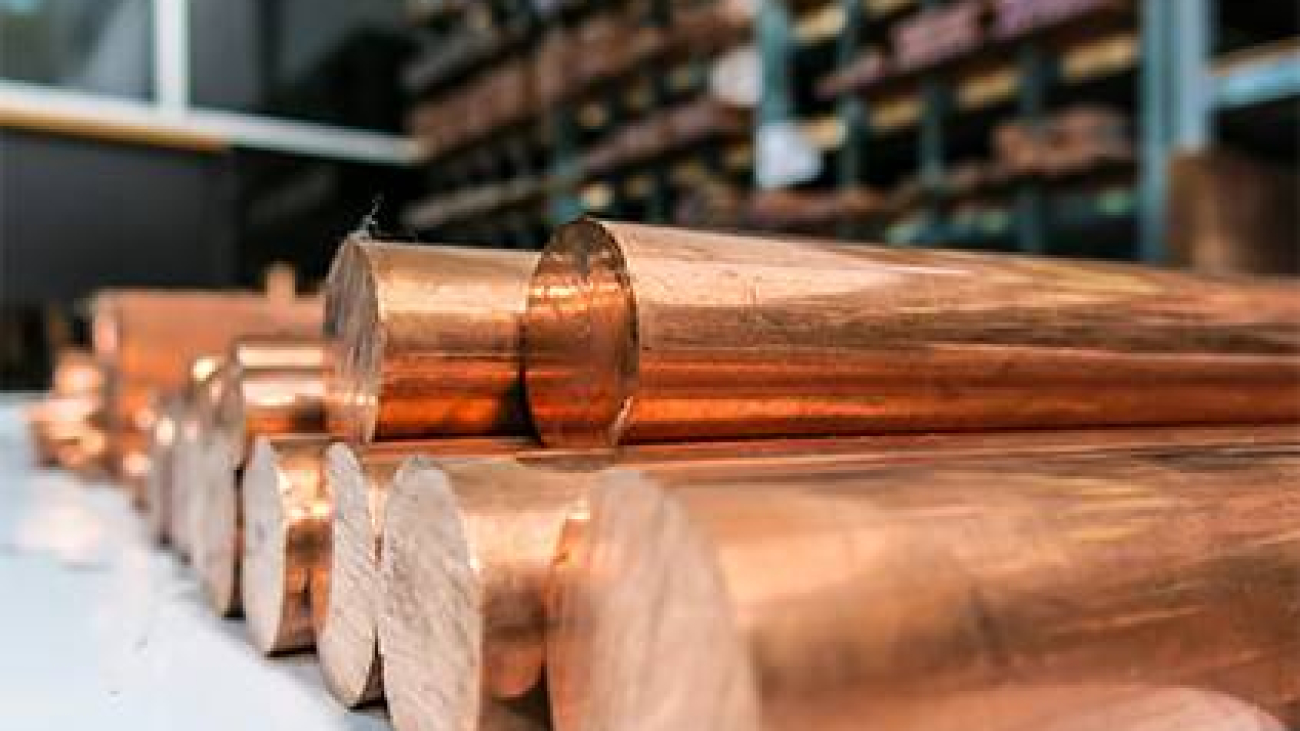
Copper prices declined slightly on Friday, amid concerns over the continued closure of the Strait of Hormuz, in light of the absence of any progress in peace talks between the United States and Iran.

And the benchmark three-month copper price on the London Metal Exchange fell by 0.5% to 13,290 dollars per metric ton during official trading.

And despite the extension of the ceasefire between Israel and Lebanon for a period of three weeks, American President Donald Trump said that he is not in a hurry to reach a peace agreement with Iran.

And Ole Hansen, head of commodity strategy at Saxo Bank, said: “Although the risks of military escalation have receded currently, the scale of the disruption is increasing day by day.”

And copper on the London exchange had recorded a record level at 14,527.50 dollars per ton on January 29, but it currently faces mixed pressures, between concerns of weak economic activity affecting demand, and potential disruptions in supplies due to a shortage of sulfuric acid.

And Hansen pointed out that the main resistance level lies at 13,525 dollars per ton, which is a level the price has failed to surpass several times since early February, adding that the current state of uncertainty explains the movement of prices in a narrow range during the past two weeks.

And prices were also subjected to additional pressure after the International Copper Study Group announced that the global refined copper market might shift to a surplus in the year 2026.

And in China, the most traded copper contract on the Shanghai Futures Exchange fell by 0.7% to 102,460 yuan (14,988.52 dollars) per ton, to record a weekly loss of about 0.31%.

In contrast, prices received some support from the continued decline in inventories at the Shanghai exchange, which fell by 16.3% during the past week, and have decreased by more than half since early March.

Movements of other metals

Nickel rose on the London exchange by 0.1% to 18,750 dollars per ton, after it touched its highest levels since January 29 at 18,850 dollars, supported by concerns regarding supplies. And the International Nickel Study Group had predicted the market’s shift to an annual deficit for the first time since 2021.

And in the rest of the metals, aluminum fell by 0.6% to 3,598 dollars per ton, while zinc rose by 0.6% to 3,473.50 dollars, and lead climbed 0.3% to 1,961 dollars, and tin also increased by 0.4% to 50,400 dollars per ton.

yen9

Yen moves in a positive zone before BOJ’s meeting

The Japanese yen rose in the Asian market on Monday against a basket of major and minor currencies, extending its gains for the second consecutive day against the U.S. dollar. The currency is benefiting from a slowdown in the American dollar’s levels following an Axios report stating that Iran has submitted a new peace proposal to the United States.

The yen’s move into positive territory comes ahead of the Bank of Japan’s (BoJ) monetary policy meeting starting later today, where interest rates are widely expected to remain unchanged for the third consecutive meeting.

Price Overview

– Japanese Yen Exchange Rate Today: The dollar fell against the yen by approximately 0.1% to (159.20¥), from today’s opening price of (159.30¥), after reaching a high of (159.60¥).

– The yen ended Friday’s trading up 0.2% against the dollar, marking its first gain in five days as it recovered from a nearly two-week low of 159.85 yen.

– Over the past week, the yen lost approximately 0.5% against the dollar, its first weekly loss in a month, driven by escalating tensions between the United States and Iran.

The U.S. Dollar

The dollar index fell by 0.1% on Monday, continuing its decline for the second consecutive session and moving away from nearly two-week highs. This reflects a persistent slowdown in the U.S. currency against global rivals.

The decline in the dollar comes amid improved risk sentiment and cooling demand for the currency as a safe-haven asset, particularly following the Axios report regarding Iran’s diplomatic overture. Axios, citing sources, reported that Iran—via Pakistani mediators—submitted a new proposal to the U.S. to reopen the Strait of Hormuz and end the war, while deferring nuclear negotiations to a later stage.

Bank of Japan

The Bank of Japan’s third monetary policy meeting of 2026 begins later today, with decisions set to be announced tomorrow, Tuesday. Markets expect the central bank to keep interest rates steady for the third consecutive meeting.

The bank will discuss recent economic developments in the world’s fourth-largest economy. Markets are closely watching for any shift in stance regarding interest rates and yield curve control in light of global variables, particularly the repercussions of the Iranian war and high energy prices.

Reuters reported that the BoJ is likely to refrain from hiking rates during this meeting, as the uncertainty surrounding the Middle East conflict continues to cloud the economic and price outlook.

Japanese Interest Rates

– Governor Kazuo Ueda has recently refrained from committing to an April rate hike, citing the war’s impact on economic projections.

– Market pricing for a 25-basis-point rate hike at this week’s meeting remains stable at 10%, while the probability of a hike at the June meeting is priced at 35%.

jpy

The USDJPY price looks for a higher low

The USDJPY pair declined during its recent intraday trading, as it attempts to form a higher low that could act as a base to regain positive momentum and resume its upward movement. This comes amid the dominance of a strong short-term bullish wave, along with continued positive and dynamic support from trading above the EMA50, which enhances the chances of recovery.


This outlook is supported by relative strength indicators reaching deeply oversold levels compared to the pair’s price movement, indicating potential rebound.

silver

Silver price signals further decline

Silver price declined during its recent intraday trading, affected by a previously formed negative technical pattern represented by a rising wedge on the short-term chart, which increased selling pressure and pushed the price to continue falling.


This scenario is reinforced by the trading below EMA50, which acts as a dynamic resistance putting pressure on price movements. At the same time, relative strength indicators have reached overbought levels and started to show a negative crossover, supporting the likelihood of continued decline in the near term.

gbp6

GBPUSD price struggles to overcome negative pressure

The GBPUSD pair extended its gains during recent intraday trading, supported by breaching the upper boundary of a negative technical formation that developed during a short-term corrective wave, specifically a falling wedge pattern, supported by positive signals from relative strength indicators. However, these indicators have reached heavily overbought levels, which may limit further gains in the near term and could lead to sideways movement or even a temporary decline in search of a higher low, reinforced by facing resistance at EMA50, which increases the pressure.


blog-eurusd-28-10-25

EURUSD price re-tests key resistance

The EURUSD pair has extended its gains during its recent intraday trading, attempting to recover part of its previous losses. The price re-tested the key resistance level at 1.1730, coinciding with a retest of an upward trendline that had been previously broken in the short term, indicating a test of the strength of that breakout.


Despite this improvement, downside pressure remains, as the price continues to trade below the EMA50, which acts as a dynamic resistance limiting the chances of a full recovery. Concerns are also increasing as relative strength indicators reach overbought levels, suggesting the potential formation of a negative divergence that could hinder further upside in the near term.

Crude-oil-down-

Crude oil prices extend gains with strong technical support

Crude oil price extended its gains during recent intraday trading, supported by stability above the key support level at $92.00, which provided positive momentum and helped the price continue rising. This performance is supported by the trading above EMA50, which acts as dynamic support, strengthening the short-term bullish trend.


Positive signals are also increasing, as a positive divergence begins to form on relative strength indicators after reaching oversold levels compared to price movement, along with the emergence of a positive crossover. This supports the chances of continued upward movement and further gains in the near term.