The (USDJPY) declined in its last intraday trading, amid the emergence of negative signals from relative strength indicators, reaching exaggerated oversold levels compared to the price move, indicating a quick fading for the negative momentum, amid its attempts to look for rising low to take it as a base for gaining bullish momentum for its recovery, amid the continuation of the dynamic support that is represented by its trading above EMA50, reinforcing the stability and dominance of the bullish trend on short-term basis, especially with its trading alongside supportive trend line for this path.
Silver Price is getting rid of its negative pressure
Silver Price expanded its gains during its latest intraday trading, after breaching the key resistance of $86.00, accompanied by surpassing EMA50’s resistance, which may help it to get rid of the surrounding negative pressures.
This comes amid the dominance of the main bullish trend on short-term basis, with its move alongside supportive trend line for this path, on the other hand, the relative strength indicators began showing negative overlapping signals, after reaching overbought levels, which might push the price to begin temporary fluctuating moves to offload some of these conditions before attempt to complete the rise.
GBPUSD price breaks the neckline of the double bottom pattern
The GBPUSD pair settles on series of consecutive gains on its latest intraday levels, supported by the emergence of positive signals from relative strength indicators, to breach 1.3400 key resistance, this resistance represents a neckline of short-term positive technical formation ( the double bottom pattern), accompanied by surpassing EMA50’s resistance, to get rid of its negative pressure, reinforcing the chances of extending its gains on near-term basis.
EURUSD price breaches minor bearish trend line
The EURUSD pair settles on strong gains during its latest intraday trading, supported by the emergence of positive signals from the relative strength indicators, which helped the price to breach short-term minor bearish trend line, reinforcing the bullish momentum.
Despite this improvement, the bearish trend remains dominant amid the continuation of the negative pressure due to the trading below EMA50, which might limit the chances of its full recovery in the near period.
Crude oil prices are looking for higher low
Crude Oil price deepened its losses during its latest intraday trading, in attempt to look for higher low that might use it as a base to regain the bullish momentum and return to rise again.
This decline comes despite the dominance of the main bullish trend on short-term basis, with the continuation of the dynamic support that is represented by the trading above EMA50, reinforcing the recovery chances in the near future, especially with the relative strength indicators reaching sever oversold levels, exaggeratedly compared to the price move, indicating a likelihood of forming positive divergence that might support the chances of bullish rebound.
Gold price is between hammer and anvil
Gold price achieved gains during its latest intraday trading, taking advantage of the positive signals emerging from the relative strength indicators, despite reaching overbought levels, which might support the current bullish movement.
On the other hand, the price remains facing negative and dynamic pressure due to its trading below EMA50, which might limit the chances of the upside move continuation, making any current gains threatened by facing a bearish rebound.
Carnival price breaches main upward trend line
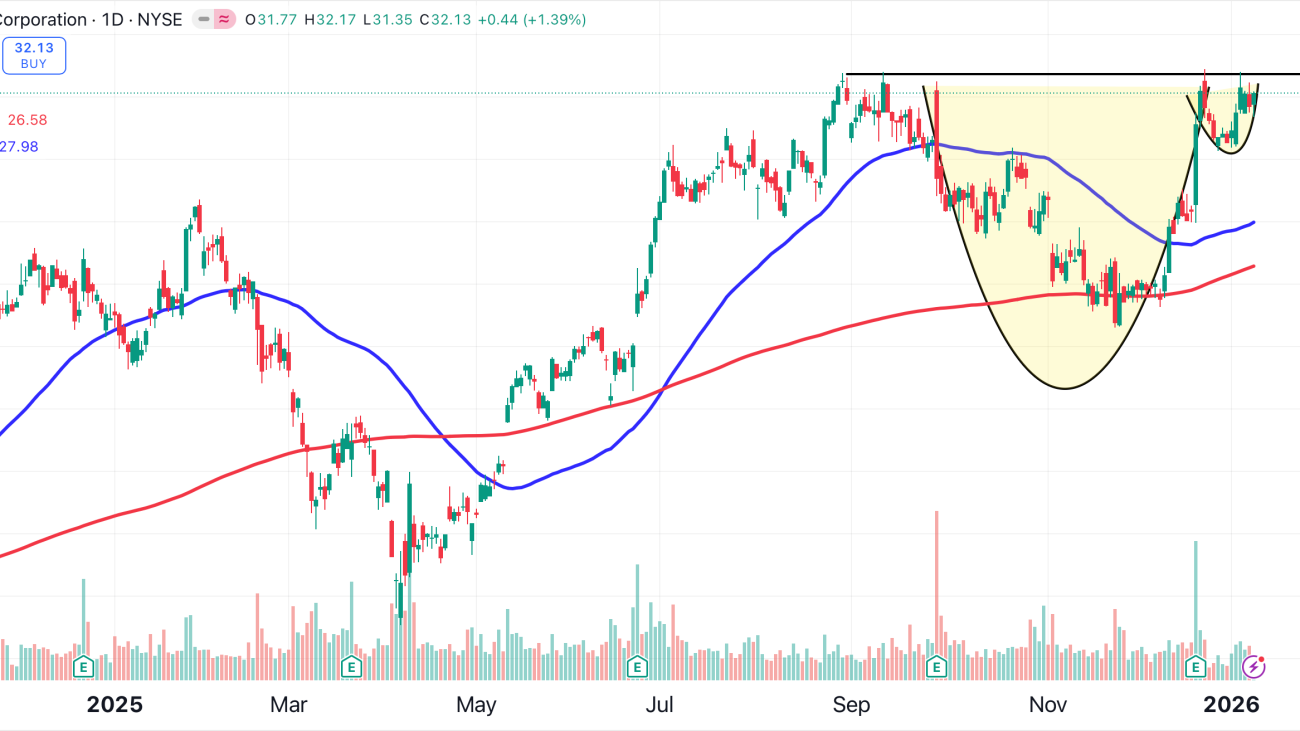
Carnival Corporation (CCL) stock price recorded a decline in its latest intraday trading, after the stock was exposed earlier to negative pressure following its move below the support of its 50-day SMA. Negative signals have also emerged from the Stochastic indicator after the price managed to ease part of its oversold conditions, which increased the downside pressure and led to the break of a main short-term bullish trendline.
Therefore we expect the stock price to decline during its upcoming trading sessions, as long as it remains below the resistance level at $29.75, targeting the key support level at $24.95.
Today’s price forecast: Bearish
Nucor price leans on SMA support
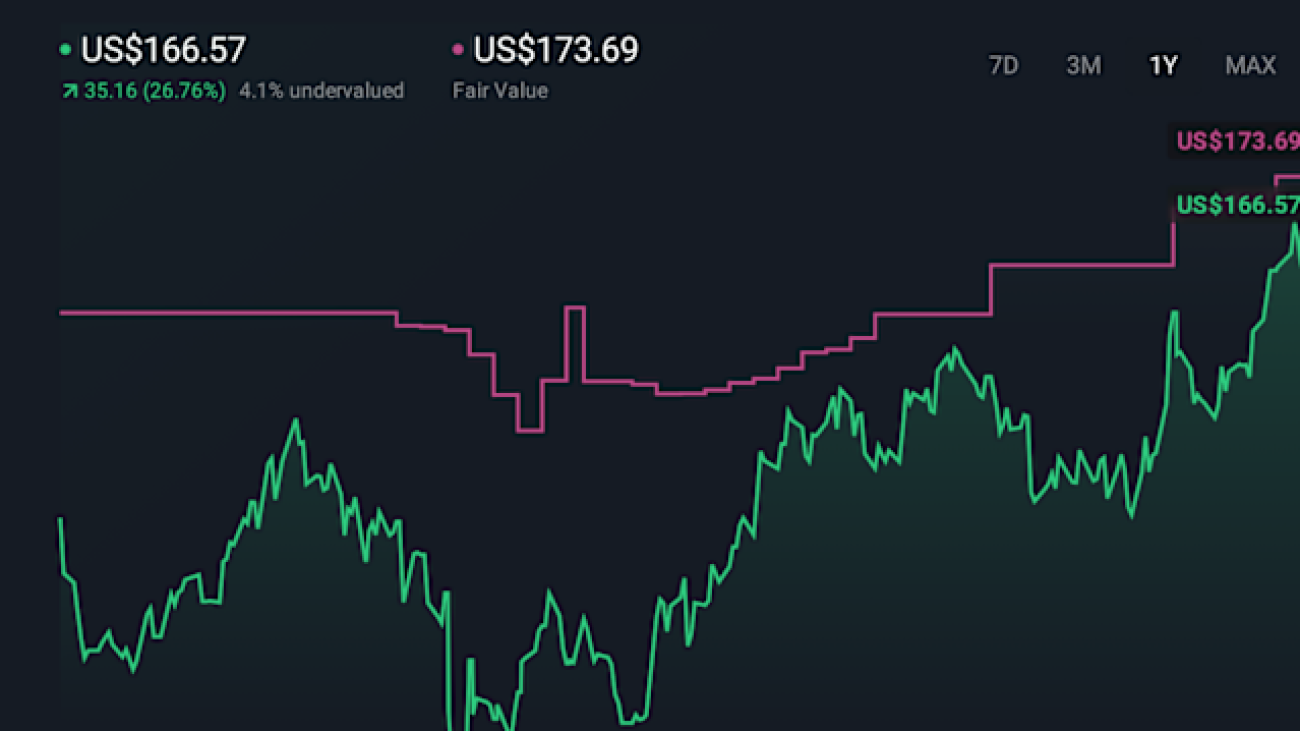
Nucor Corporation (NUE) stock price recorded a decline in its latest intraday trading, as the stock found support at its 50-day SMA in an attempt to gain positive momentum that could help it recover and move higher again. This comes alongside support from a short-term minor bullish trendline, which enhances the chances of a near-term recovery, especially with the emergence of positive signals from the Stochastic indicator after forming a positive divergence.
Therefore we expect the stock price to rise during its upcoming trading sessions, as long as support at $170.50 remains intact, targeting the first resistance level at $185.30.
Today’s price forecast: Bullish
Yen tumbles as oil prices approach $120
The Japanese yen fell broadly in Asian trading on Monday against a basket of major and secondary currencies, extending its losses for a third consecutive session against the US dollar and hitting a two-month low, as investors continued to favor the US currency as a preferred alternative investment. The move comes as global oil prices surged and moved close to the $120 per barrel mark for the first time since 2022.
The decline in the Japanese currency came despite the release of strong data from Tokyo earlier today, showing that real wages in Japan rose to their highest level in six months, which could increase inflationary pressure on policymakers at the Bank of Japan.
Price Overview
Japanese yen exchange rate today: the dollar rose 0.75% against the yen to ¥158.90, the highest level since January 23, up from Friday’s closing level of ¥157.75, while the session’s low was recorded at ¥158.03.
The yen ended Friday’s trading down 0.15% against the dollar, marking its second consecutive daily loss due to the fallout from the Iran war.
Last week, the yen lost about 1.1% against the dollar, marking its third consecutive weekly decline, driven by the military conflict in the Middle East and reduced expectations for Japanese interest rate hikes.
Global oil prices
Global oil prices jumped more than 30% at the start of trading on Monday, breaking above the $100 per barrel threshold for the first time since 2022 and heading toward their largest daily gain in nearly 40 years.
Prices are rapidly approaching the $120 per barrel mark as the military conflict in the Middle East intensifies, prompting major producers in the region to cut output following attacks on energy facilities.
US Dollar
The dollar index rose 0.85% on Monday, reaching a four-month high of 99.70, reflecting broad strength in the US currency against a basket of global peers.
The rally comes as investors buy the dollar as a preferred safe-haven asset, with the Iran war entering its tenth day and signs growing of a wider military conflict in the Middle East, particularly after Mojtaba, Khamenei’s son, was selected as his successor — a development not welcomed in the United States.
Views and analysis
Ray Attrill, head of FX strategy at National Australia Bank, said the US dollar is receiving strong support from traditional safe-haven demand as well as from the United States’ status as a net energy exporter, in sharp contrast to most European countries.
Michael Every, global strategist at Rabobank, said: “The longer this heated situation continues, the more rapidly the damage multiplies, which is now being reflected in oil markets that last week still had some expectations that the situation could become far worse.”
Deepali Bhargava, head of regional research for Asia-Pacific at ING, said the real question is how high prices will rise and how long they will remain elevated, as this will ultimately determine the economic consequences.
She added that a prolonged conflict combined with continued currency weakness would directly increase inflationary pressures across the region.
Japanese wages
Japan’s labor ministry said Monday that total monthly cash earnings and a separate measure of full-time wages rose 3.0% year-on-year in January, the fastest pace since July and above expectations for a 2.5% increase, after wages had risen 2.4% in December.
The strong wage growth paves the way for further increases in prices and faster inflation in the coming period. Renewed inflationary pressure on policymakers at the Bank of Japan strengthens the case for interest rate hikes this year.
Japanese interest rates
Following the above data, market pricing for a 25-basis-point rate hike by the Bank of Japan at its March meeting remained at 5%.
Pricing for a 25-basis-point rate increase at the April meeting rose from 25% to 35%.
In the latest Reuters poll, the Bank of Japan is expected to raise interest rates to 1% by September.
Analysts at Morgan Stanley and MUFG wrote in a joint research report that they had previously viewed the probability of a rate hike in March or April as low, but with rising uncertainty stemming from developments in the Middle East, the Bank of Japan is likely to adopt a more cautious stance, reducing the likelihood of near-term rate increases.
Investors are now awaiting additional data on inflation, unemployment, and wages in Japan to reassess these expectations.
Euro skids to four-month nadir as the global energy crisis multiplies
The euro fell in European trading on Monday to its lowest level in four months against the US dollar, as investors continued to favor the US currency as a preferred alternative investment amid the escalating war with Iran.
The single currency is also under heavy pressure from the worsening global energy crisis, especially after the sharp surge in oil and natural gas prices. The crisis is expected to drive prices higher and accelerate inflation across the euro area, placing increasing inflationary pressure on policymakers at the European Central Bank.
This comes at a time when the European economy may require additional monetary support to limit the slowdown in economic activity, creating a complex policy challenge between containing inflation and supporting growth.
Price Overview
Euro exchange rate today: the euro fell about 0.95% against the dollar to $1.1507, its lowest level since November 24, down from Friday’s closing level of $1.1616. The session’s high was recorded at $1.1563.
The euro ended Friday’s trading up less than 0.1% against the dollar amid modest buying from lower levels.
Last week, the euro lost about 1.7% against the dollar, marking its largest weekly decline since April 2024 due to the global energy crisis.
Global energy prices
Global oil prices jumped more than 30% at the start of trading on Monday, breaking decisively above the $100 per barrel threshold for the first time since 2022 and heading toward their largest daily gain in nearly 40 years.
Prices are rapidly approaching the $120 per barrel level as the military conflict in the Middle East intensifies, with major producers in the region cutting output following attacks on energy facilities.
TTF natural gas futures also surged about 50% over the past week to exceed €52 per megawatt-hour, the highest level since early 2023.
Analysts at Wells Fargo said in a note that the euro faces a difficult situation. The seasonal refilling of natural gas storage in Europe is about to begin, and the European Union is entering the season with record-low gas inventories, meaning it will need to purchase large volumes of energy at a time when prices could rise sharply.
US Dollar
The dollar index rose 0.85% on Monday to a four-month high of 99.70, reflecting broad strength in the US currency against a basket of global peers.
The rally comes as investors buy the dollar as a preferred safe-haven asset, with the Iran war entering its tenth day and signs growing of a wider military conflict in the Middle East, particularly after Mojtaba, Khamenei’s son, was selected as his successor — a move not welcomed in the United States.
Views and analysis
Ray Attrill, head of FX strategy at National Australia Bank, said the US dollar is receiving strong support from traditional safe-haven demand as well as from the United States’ status as a net energy exporter, in sharp contrast to most European countries.
Michael Every, global strategist at Rabobank, said the longer the heated situation continues, the more rapidly the damage will multiply, something that oil markets are already reflecting after last week’s expectations that conditions could become far worse.
Deepali Bhargava, head of regional research for Asia-Pacific at ING, said the real question is how high prices will rise and how long they will remain elevated, as that will ultimately determine the economic consequences.
She added that a prolonged conflict combined with continued currency weakness would directly increase inflationary pressures across the region.
George Saravelos, head of global FX research at Deutsche Bank, said the impact of the Iran war on the euro/dollar pair revolves around a single factor: energy.
He added that a negative supply shock is currently forming, acting as a direct tax on Europeans that must be paid to foreign producers in US dollars.
Analysts at ING also wrote in a research note that the position of the European Central Bank has suddenly come into question and that they doubt the issue can be resolved in the very near term.
They added that the possibility of the ECB raising interest rates represents a serious risk to interest rate spread trades and could lead to a significant widening in euro area government bond spreads.
European interest rates
Following higher-than-expected inflation data released last week in Europe, money markets sharply reduced pricing for a 25-basis-point rate cut by the European Central Bank in March from 25% to just 5%.
To reassess these expectations, investors are awaiting a