gold

Gold price exhausts its positive momentum

Gold price declined during its recent intraday trading, affected by the emergence of negative signals from relative strength indicators after reaching overbought levels. This move aims to ease that overbought condition and calm momentum before attempting to resume the upward move again.


This decline pushed the price to lean on EMA50’ support, alongside support from a short-term ascending corrective trendline. This strengthens the area as a key technical support zone that may help the price regain positive momentum and move higher in the coming period.


demo-attachment-485-sunisa-misa-531163-unsplash

Asia caught between supply chain bottlenecks, energy markets, and escalating geopolitical risks

Asia finds itself trapped between an energy market it cannot afford to see rise and supply chains that may take weeks to return to normal operation—even in the best-case scenarios.

Negotiations continue, though they are no longer being conducted directly in Islamabad. What lies ahead is a complex and volatile path built on political escalation, diplomatic maneuvering, and “balancing game” theories among parties until one side is forced to blink. This process is expected to be messy and could leave significant marks on Asia-Pacific economies.

Even with a gradual return of shipments through the Strait of Hormuz, new cargoes will need three to six weeks to reach Asian ports. Furthermore, the region’s crude oil infrastructure, primarily designed to handle Gulf grades, remains effectively disrupted. In contrast, Atlantic Basin oil has become economically unfeasible, while Gulf supplies are no longer arriving normally.

Consequently, a two-week truce does not resolve these imbalances, and the repercussions for diesel, gasoline, liquefied petroleum gas (LPG), and naphtha will be deep and wide-ranging.

The Hard Landing Scenario

In the worst-case scenario—should the conflict reignite and the Strait of Hormuz effectively close for six months, sending Brent crude to $200 per barrel—Asia would face a crisis of a completely different magnitude.

This scenario is often compared to the 1997 Asian Financial Crisis, which was essentially a crisis of currency imbalances, weak reserves, and economic policies unprepared for sharp external shocks. While many Asian economies are stronger today, with larger reserves, better currency management, and more resilient debt structures, the risks cannot be ignored.

A sustained energy shock of this scale would strain national budgets, widen current account deficits, and increase pressure on currencies, especially in energy-importing emerging Asian economies with high debt and limited reserves.

Asian nations might be forced back to the crisis-management tools used during the COVID-19 pandemic: demand reduction, utilization of strategic reserves, rationing systems, and accelerating fuel switching. However, these measures are politically difficult and carry heavy social and economic costs.

Energy Security and Supply Continuity

Asian liquefied natural gas (LNG) prices have seen a relative decline with the truce. However, if the conflict resumes, prices exceeding $20 per million British thermal units (MMBtu) become a likely scenario, pushing the region to reverse the previous trend of switching from coal to gas and returning once again from gas to coal.

This raises two key questions for policymakers:

– Which Asia-Pacific markets can actually switch between coal and gas?

– Will the reassessment of LNG as a geopolitically fragile source accelerate the move away from it, despite climate commitments?

From Crisis Management to Structural Reform

While absorbing the shock of the Iran crisis will push policymakers toward difficult short-term measures, the most critical challenge lies in turning these pressures into long-term reforms that bolster energy security.

This includes enhancing energy source diversity, developing domestic production, and building greater demand flexibility, all while avoiding retaliatory policies between nations.

Three international experiences are highlighted as significant models:

– Brazil: Developed a comprehensive biofuel framework through production blending policies and investment incentives, reducing reliance on imported oil and creating a sustainable competitive advantage.

– China: Adopted a broad strategy for relative energy self-sufficiency through massive investments in coal, solar, wind, and nuclear energy, alongside expanding electric vehicles and managing strategic reserves, reducing its relative dependence on imports.

– Norway: Successfully channeled oil and gas revenues into a massive sovereign wealth fund to support financial stability, with a domestic electricity system relying almost entirely on hydropower, reducing exposure to fossil fuel price shocks.

Energy Pragmatism as a Future Choice

The common denominator among these models is that energy security did not happen by accident; it was achieved through long-term policies, patient investment, and a strategic vision that endures short-term costs.

Asian governments today face a decisive moment revealing that reliance on imported energy, coupled with weak budgets and currency reserves, creates a vulnerability that is difficult to hedge with diplomacy alone.

The appropriate response lies not only in managing the current crisis but in building more resilient infrastructure, developing demand flexibility, enhancing strategic stockpiles, and fostering greater integration among Asian energy markets.

The window for action remains open during crisis periods, but utilizing it requires swift and radical decisions. Countries that move now toward strengthening energy security will enter the next crisis from a position of greater strength and stability.


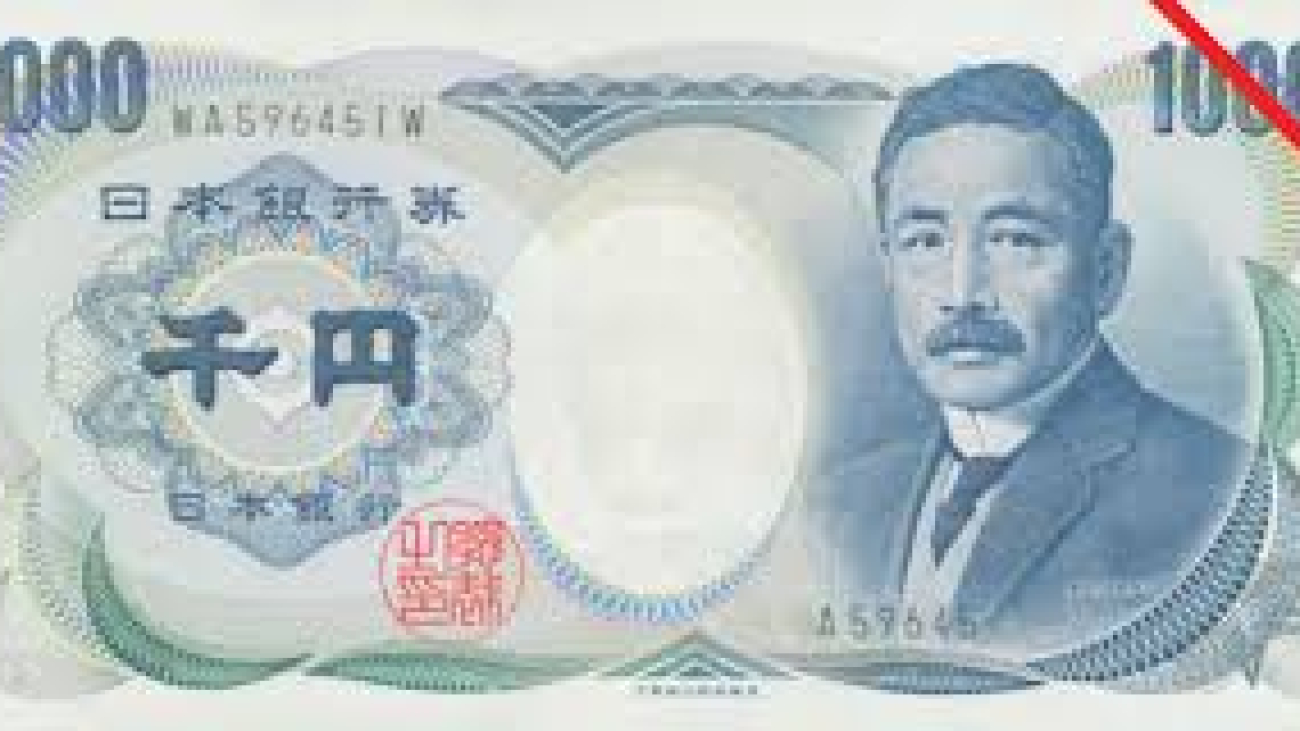
yen

Yen extends losses on US-Iran negotiation unclarity

The Japanese yen declined in the Asian market on Friday against a basket of major and minor currencies, extending its losses for the third consecutive day against the U.S. dollar. This comes as the American currency continues to recover from recent lows, driven by investor risk aversion due to the ambiguity surrounding peace negotiations between the United States and Iran.

Amid the current rise in global oil prices, signs of growing inflationary pressures on policymakers at the Bank of Japan (BoJ) are increasing, which strengthens the probability of Japanese interest rate hikes in the near term.

Price Overview

– Japanese Yen Exchange Rate Today: The dollar rose against the yen by more than 0.2% to (¥159.47), from today’s opening price of (¥159.12), and recorded a low of (¥159.02).

– The yen ended Thursday’s trading down by 0.1% against the dollar, marking its second consecutive daily loss as markets evaluated developments in the Middle East peace talks.

The U.S. Dollar

The dollar index rose on Friday by 0.1%, extending its gains for the second consecutive session as it continues to recover from a six-week low, reflecting the ongoing ascent of the American currency against a basket of global currencies.

In addition to dip-buying, the dollar is being buoyed by renewed demand as an alternative investment of choice, given the current uncertainty dominating the peace talks between the United States and Iran.

According to some media reports, American and Iranian negotiators have lowered their ambitions for a comprehensive peace agreement and are now seeking a temporary memorandum of understanding to prevent a return to conflict, with the nuclear file remaining a major obstacle.

U.S. President Donald Trump stated that the next round of peace talks between the United States and Iran could take place over the weekend.

Global Oil Prices

Global oil prices rose on Friday by an average of 0.75%, continuing their ascent for the second consecutive session as part of a recovery from multi-week lows, amid fears of the continued closure of the Strait of Hormuz to supertankers.

Undoubtedly, the rise in global oil prices renews fears of accelerating inflation, which may prompt global central banks to raise interest rates in the near term—a sharp shift from pre-war expectations of cutting or holding rates steady for a long period.

Japanese Interest Rates

– The pricing of the probability of the Bank of Japan raising interest rates by a quarter-percentage point at the April meeting is currently stable around 10%.

– In order to re-price those probabilities, investors await the release of more data on the levels of inflation, unemployment, and wages in Japan.

usdjpy

The USDJPY price gets rid of its negative pressure

The USDJPY pair rose during its recent intraday trading, stabilizing above the resistance level of 159.00, as a signal for strong bullish intent. This move comes after surpassing the negative pressure of EMA50, enhancing the chances for a rise, especially as the main short-term trend remains bullish.


On the other hand, relative strength indicators are beginning to show a bearish crossover after reaching heavily overbought levels, which may limit the pair’s upcoming gains.


Untitled

Silver price seeks a higher low

Silver price declined during its recent intraday trading to form a new higher low that could act as a base to help regain positive momentum. This pullback comes within a natural corrective move, especially as the short-term bullish corrective trend remains dominant, with price moving along a supportive trendline that reinforces the stability of this path.


The price also continues to trade above EMA50, which provides important dynamic support. At the same time, a bullish divergence is starting to form on the relative strength indicators after reaching significantly oversold levels compared to price action, along with the emergence of a positive crossover, supporting the chances of a recovery and a resumption of the upward move in the near term.

gbp6

GBPUSD price attempts to gain positive momentum

The GBPUSD pair declined during its recent intraday trading, as it attempts to form a higher low that could serve as a base to regain the positive momentum needed for recovery. This comes within the dominance of a short-term bullish trend, with continued positive pressure as the pair trades above EMA50.


Meanwhile, relative strength indicators are beginning to show a positive crossover after reaching heavily oversold levels compared to the pair’s price movement, suggesting the early formation of a bullish divergence. This supports the chances of a price recovery in the near term.

euro

EURUSD price shows new positive signs

The EURUSD pair is experiencing volatile trading in its recent intraday movements, as it attempts to gain positive momentum that could pave the way for breaking 1.1790 resistance, supported by trading above EMA50, which provides dynamic support and enhances the stability of the short-term bullish corrective trend.


Meanwhile, relative strength indicators are beginning to show more positive signals, with early signs of a bullish divergence emerging after reaching heavily oversold levels compared to price movement, along with the start of a positive crossover. This supports the chances of recovery.


oil

Crude oil price begins to show new negative signals

Crude oil price declined during its recent intraday trading, as the short-term bearish corrective trend continues to dominate. The price remains under clear negative pressure due to trading below EMA50, which continues to limit any recovery attempts.


Negative pressure is also increasing with the emergence of a bearish crossover on relative strength indicators after reaching overbought levels compared to price action. This suggests forming a bearish divergence, which could support the continuation of the decline in the near term.

gold

Gold price stabilizes at its simple moving average support

Gold price declined during its recent intraday trading within a corrective move aimed at rebuilding positive momentum, in preparation for a potential attempt to break the key resistance level at $4,800, depending on the support of EMA50, which helped limit losses and maintain stability.


This comes as the price tests a short-term ascending corrective trendline, increasing the importance of this area as strong technical support that could trigger a rebound. Meanwhile, relative strength indicators began to show a positive crossover after reaching oversold levels, supporting the chances of a recovery and a resumption of the upward move in the near term.


demo-attachment-501-Businessman-with-smartphone-standing-at-staircase.@2x

Aussie hits four-year peak on Australian rate hike prospects

The Australian dollar rose broadly in the Asian market on Thursday against a basket of global currencies, extending its gains for the fourth consecutive day against its American counterpart and hitting a four-year high, benefiting from the decline in the levels of the American currency in the foreign exchange market.

The currency was supported by strong expectations that the Reserve Bank of Australia (RBA) will raise interest rates during its upcoming May meeting, especially after the release of significant data in Australia showing labor market resilience despite the pressures of the “Iranian war” and rising energy costs.

Price Overview

– Australian Dollar Exchange Rate Today: The Australian dollar rose against its American counterpart by 0.45% to (0.7198), the highest since June 2022, from today’s opening price of (0.7165), and recorded a low of (0.7163).

– The Australian dollar ended Wednesday’s trading up by 0.6% against the U.S. dollar, marking its third consecutive daily gain amid positive risk sentiment and U.S. stocks climbing to new record highs.

The U.S. Dollar

The dollar index fell on Thursday by more than 0.2%, deepening its losses for the ninth consecutive session and recording a six-week low of 97.83 points, reflecting the continued drop in the levels of the American currency against a basket of major and minor currencies.

Optimism has increased in the markets regarding the probability of the United States and Iran reaching a peace agreement, prompting investors to reduce their holdings of the American currency as a safe haven and move toward higher-risk assets.

U.S. President Donald Trump stated that the U.S.-Israeli war on Iran is “about to end,” while the White House expressed optimism about the possibility of reaching a deal, noting the likelihood of additional rounds of direct talks in Pakistan.

Khoon Goh, head of Asia research at ANZ Bank, said: Markets are now essentially ignoring the conflict and expecting some kind of settlement. Goh added: With markets pricing out the impact of the war, we may see more pressure on the dollar and a resumption of the downward trend that began roughly last year.

Australian Data

Significant economic data released today in Sydney showed:

– The unemployment rate remained stable at 4.3% in March, aligning perfectly with market expectations and the Reserve Bank of Australia (RBA).

– The Australian economy added 17,900 new jobs in March, very close to the forecast of 20,000 jobs.

– Full-time employment saw a qualitative jump, adding 52,500 jobs in March after losing 27,700 jobs in February.

– The consumer inflation expectations index for April recorded an increase to 5.9% compared to 5.2% in the previous month. This reading for inflation expectations is the highest since late 2022, increasing pressure on the RBA.

The Chinese Economy

The Chinese economy—the largest trading partner of the Australian economy—recorded strong growth at a rate of 5% in the first quarter of 2026, exceeding analyst expectations of 4.8%, after recording growth of 4.5% in the final quarter of last year.

Australian Interest Rates

– Following the above data, the pricing of the probability of the Reserve Bank of Australia raising interest rates by about 25 basis points in May rose from 55% to 70%.

– In order to re-price those probabilities, investors await the release of more data on the levels of inflation, unemployment, and wages in Australia.

– The Reserve Bank of Australia has raised interest rates twice this year to 4.1%, as a result of the impact of the U.S.-Israeli war on Iran on global oil trade and rising fuel prices across the country.