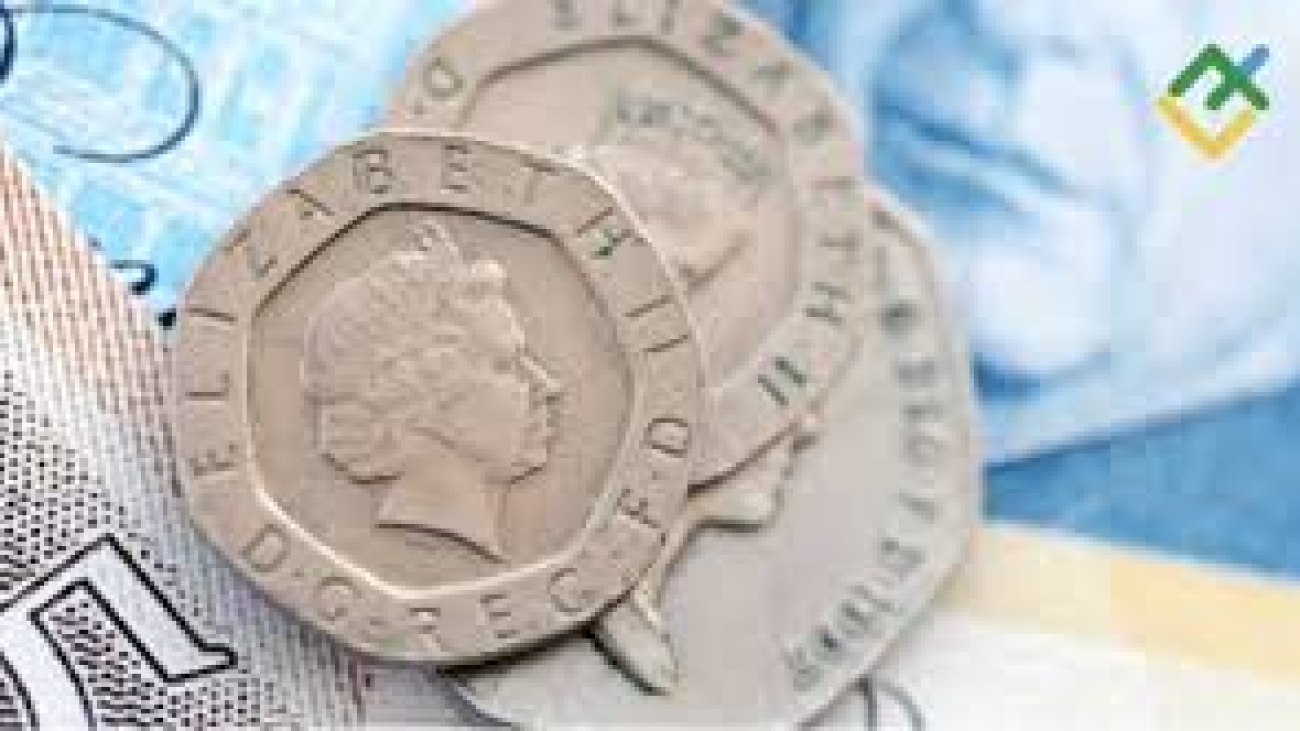
yen

Yen extends losses to four-week trough on mounting US-Iran tensions

The Japanese yen declined in Asian trading on Thursday against a basket of major and minor currencies, deepening its losses for the third consecutive session against the US dollar and hitting its weakest level in four weeks, amid rising demand for the US currency as a safe haven due to escalating military tensions between the United States and Iran, raising fears that the ongoing peace negotiations in Doha could stall or collapse.

As the yen continues to weaken, it is nearing the loss of trading above the ¥160 threshold, which is considered a key level for intervention by Japanese monetary authorities to support the local currency and curb excessive movements in the foreign exchange market.

Price Overview

• Japanese yen exchange rate today: The dollar rose against the yen by 0.1% to ¥159.65, the highest level since April 29, from today’s opening level at ¥159.50, and recorded a low of ¥159.42.

• The yen ended Wednesday’s trading down 0.15% against the dollar, marking its second consecutive daily loss, following hawkish comments from several Federal Reserve officials.

US dollar

The dollar index jumped more than 0.3% on Thursday, extending gains for the third consecutive session and recording a seven-week high at 99.54 points, reflecting broad strength in the US currency against a basket of global currencies.

The rally comes amid investor risk aversion and growing demand for the US dollar as the preferred safe-haven investment, due to escalating military tensions between the United States and Iran in the Strait of Hormuz, threatening the collapse of the peace negotiations in Doha.

Global oil prices

Global oil prices rose more than 3% on Thursday after the US military carried out new strikes targeting military sites inside Iran, prompting Iran’s Revolutionary Guard to suspend the passage of oil tankers through the Strait of Hormuz.

Latest developments in the Iranian war

• The United States launched new strikes on Iran targeting a military site and missile launch platforms.

• A US official said the American military carried out strikes on an Iranian military site that posed a threat to US forces and navigation in Hormuz.

• The US official described the military operation as calculated and defensive.

• Iran’s Revolutionary Guard said it targeted a US base that served as a launch point for attacks near Bandar Abbas.

• Iranian television reported that four vessels were forced to turn back after attempting to cross the Strait of Hormuz without coordination with Iranian forces.

• Tasnim News Agency said a US tanker attempting to cross the Strait of Hormuz was forced to stop and turn back.

• Kuwait’s General Staff activated air defense systems after detecting and intercepting hostile missile and drone attacks in the region.

• The escalation of these violations could trigger a severe diplomatic crisis threatening the collapse of the ongoing negotiations in Doha.

• US President Donald Trump rejected Iranian reports claiming an agreement exists.

• Iranian media reported that the agreement would restore shipping traffic through the Strait of Hormuz.

• Trump denied the existence of any agreement regarding the Strait of Hormuz with Iran and Oman.

• Iran insists on easing economic sanctions and preserving its nuclear rights, while the two sides remain far apart.

• The US Treasury Department imposed sanctions on the Iranian authority established to manage shipping traffic through the strait.

The ¥160 threshold

Japanese authorities are closely monitoring movements in the local currency in the foreign exchange market, particularly as the yen weakens toward the critical ¥160 per dollar level, which has been viewed as a threshold that could prompt renewed market intervention.

Sources told Reuters that Tokyo intervened several times in late April and early May to halt the yen’s decline, although the currency’s recovery did not last long. At the time, the exchange rate reached ¥159.25 per US dollar, its weakest level since April 30.

Outlook for the Japanese yen

• Tony Sycamore, market analyst at IG, said previous intervention by the Bank of Japan had provided policymakers with some relief, but questions remain about its long-term effectiveness.

• Sycamore added: “The key question is whether that intervention was worthwhile for what was essentially only a temporary one-month reprieve. Moreover, will authorities have the capacity to provide similar financial support if the ¥160 level is breached again in coming sessions?”
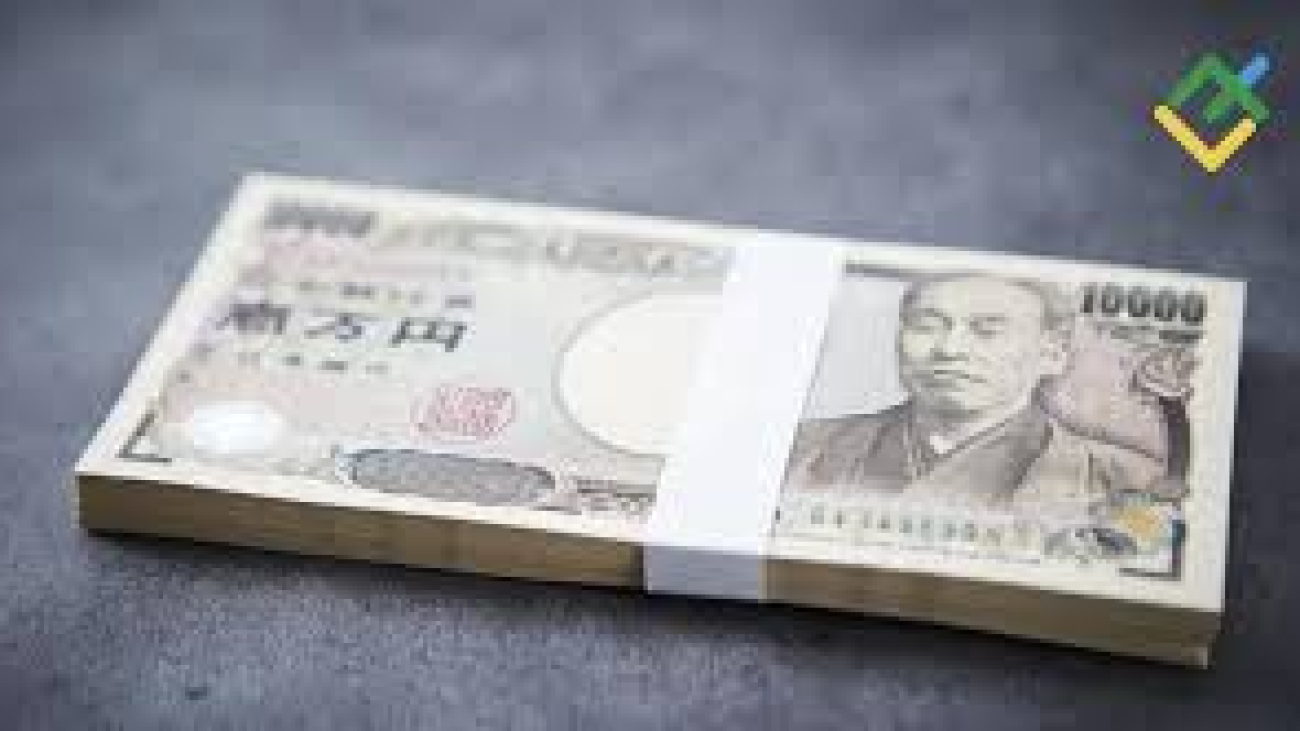
jpy

USDJPY Keeps Rising

The USDJPY pair kept rising during intraday trading, amid the dominance of the bullish corrective trend on short-term basis, support by its trading above EMA50, which provides dynamic support that reinforces the chances of extending its gains in the near upcoming period, especially with the emergence of the positive signals from the relative strength indicators, after offloading some of its overbought conditions, opening the way for extending the gains in the near-term basis.

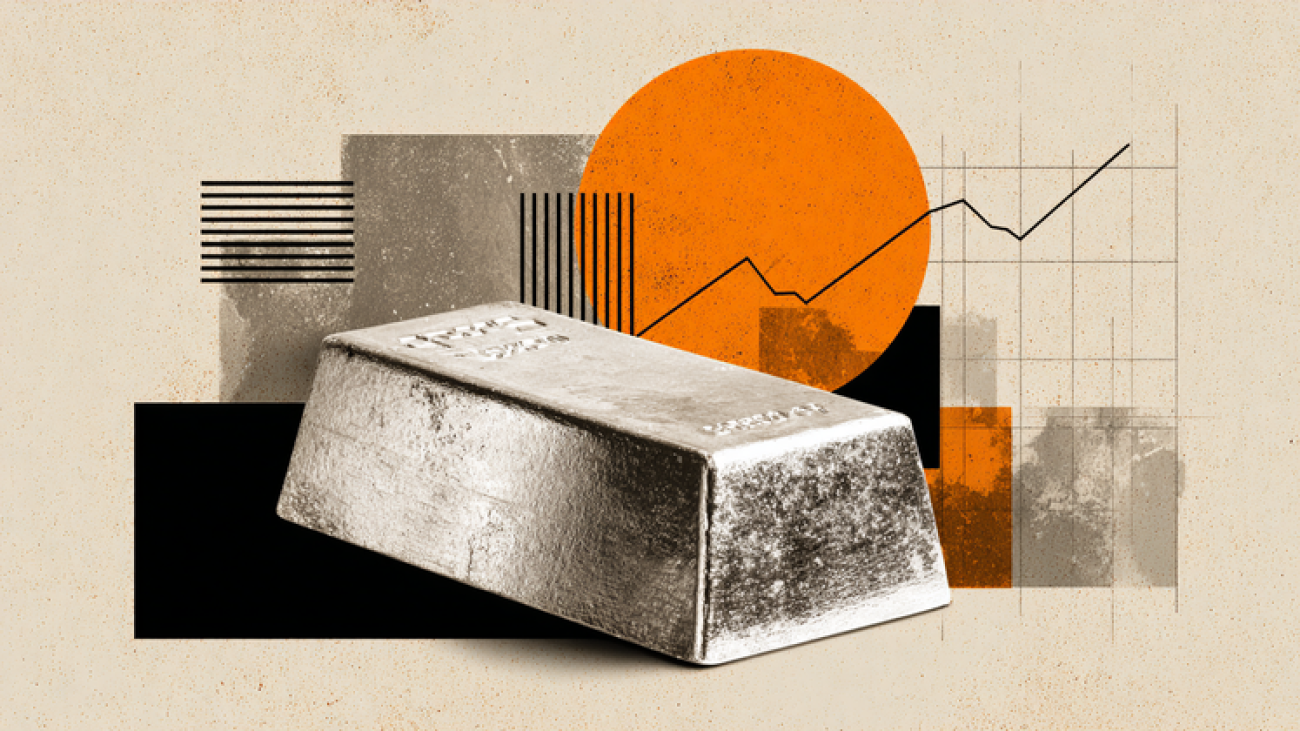
Silver4_Large

Silver Price Prepares to Break Key Support

Silver price declined during recent intraday trading as it approaches a break below the key support level at $74.00, amid the continued dominance of the short-term bearish corrective wave, reflecting weak buying momentum and ongoing selling pressure on price action.


This comes as silver continues trading below EMA50, reinforcing the negative dynamic pressure surrounding the price, especially with negative signals emerging from the relative strength indicators, which may push the price toward further declines if the current support level is confirmed broken in upcoming trading.


gbp

GBPUSD is under negative pressure

The GBPUSD pair deepened its losses in recent intraday trading, affected by short-term negative formation that is represented by rising wedge pattern, to surpass EMA50’s support, intensifying the negative press and ending the chances of recovery attempts in the upcoming near period, especially with the emergence of a positive divergence on the relative strength indicators after offloading some of its oversold conditions, opening the way for recording more losses.

euro

EURUSD Declines, Affected by Key Resistance

The EURUSD pair declined during its recent intraday trading after failing to break above the key and stubborn resistance at 1.1660, pushing the pair into a new bearish wave, especially after breaking the support of EMA50, which increased the negative pressure in the short term.


This comes with negative signals emergence from the relative strength indicators, reflecting the continued weakness in positive momentum and the dominance of the bearish corrective trend over current trading, which may keep selling pressure unless the pair succeeds in reclaiming important resistance levels during its upcoming moves.

oil

Crude Oil Price Rises After Reaching Our Target

Crude Oil price rose slightly during recent intraday trading after the stability of $88.00 support level, which was a price target in our earlier analysis. This provided the price with some positive momentum, helping it to recover part of its recent losses and temporarily regain balance.


Oil is also attempting to ease the clear oversold conditions on the relative strength indicators, especially as positive signals begin to appear. However, negative pressure remains in place due to the dominance of a sharp short-term bearish corrective wave, with continued trading below EMA50, limiting the chances of a strong recovery in the near term.

gold2

Gold Price is Under Negative Pressure

Gold price declined during recent intraday trading after breaking $4,500 key support level in yesterday’s session. Selling pressure continued, pushing the price toward the $4,400 support before a limited rebound appeared, supported by improving momentum and attempts to reduce oversold conditions on the relative strength indicators.


Despite this temporary rebound, negative pressure returned amid the continuation of the short-term bearish trend, with gold still trading below EMA50, limiting recovery chances in the near term.

General_L_3

Gold declines as rising energy-driven inflation fears boost rate hike expectations

Gold prices fell by more than 1% on Tuesday as bets on additional US interest rate hikes this year increased after US military strikes on Iran reduced hopes for a peace agreement, pushing oil prices higher and bringing inflation concerns back into focus.

Spot gold fell 1% to $4,526.86 per ounce, while US June gold futures rose 0.1% to $4,527.90 per ounce.

Jim Wyckoff, market analyst at American Gold Exchange, said: “Bond markets believe the Federal Reserve’s next move will be an interest rate hike, and that is a negative factor for the gold market today.”

Kevin Warsh was sworn in as chairman of the Federal Reserve on Friday, taking over leadership of the US central bank amid growing expectations of tighter global monetary policy.

Markets are currently pricing in a 25 basis point US interest rate hike in December. Although gold is considered a hedge against inflation, the non-yielding precious metal struggles in a high interest rate environment.

In another sign of mounting inflation concerns, Brent crude prices rose by more than 3% on Tuesday as uncertainty persisted over the possibility of a peace agreement between the United States and Iran that would allow shipping through the Strait of Hormuz to reopen.

Higher oil prices increase inflationary pressures as manufacturers pass rising costs on to consumers.

Wyckoff added: “Short-term technical indicators still favor sellers, which is also triggering some technical selling activity.”

He noted that markets will closely monitor US personal consumption expenditures price index data for April, due on Thursday, as a key indicator for measuring inflation pressures and determining the future direction of US monetary policy.

In the same context, UBS lowered its year-end gold price forecast by $400 to $5,500 per ounce due to continued risks related to higher yields and a stronger US dollar.

As for other precious metals, spot silver fell 2.1% to $76.43 per ounce, platinum declined 0.9% to $1,950.71, while palladium slipped 0.2% to $1,396.26 per ounce.

Arrows_L_2

Kiwi rushes higher after RBNZ hints

The New Zealand dollar rose broadly on Wednesday against a basket of global currencies, moving toward its highest level in at least two weeks against its US counterpart, after hawkish signals from the Reserve Bank of New Zealand following its decision to leave interest rates unchanged.

The decision came amid a sharp division and a historic vote split within the Reserve Bank of New Zealand’s Monetary Policy Committee, which indicated that interest rates may need to rise in the coming months to counter accelerating inflation in the country, lifting expectations for a New Zealand rate hike in July.

Price Overview

• New Zealand dollar exchange rate today: The New Zealand dollar rose 0.7% against the US dollar to 0.5878, from today’s opening level at 0.5837, and recorded a low of 0.5836.

• The New Zealand dollar ended Tuesday’s trading down 0.6% against the US dollar due to risk aversion after the United States carried out strikes on Iranian boats and missile sites.

Reserve Bank of New Zealand

The Reserve Bank of New Zealand (RBNZ) on Wednesday kept its benchmark interest rate unchanged at 2.25%, the lowest level since July 2022, in line with most market expectations, marking the third consecutive meeting without change.

The six-member Monetary Policy Committee at the Reserve Bank of New Zealand saw a complete split in voting, with three members voting to keep rates unchanged, while three other members — the external members — voted in favor of an immediate 25 basis point rate hike. The final decision to hold rates steady was determined by the casting vote of Governor Anna Breman.

In its updated monetary policy statement, the New Zealand central bank confirmed that the war in the Middle East and rising energy prices would keep inflation above the target range this year.

The New Zealand central bank said: “Overall, the official cash rate is likely to need to rise more quickly and to higher levels than anticipated in the monetary policy statement issued in February.”

The bank added: “The pace of official cash rate increases will depend on the extent to which persistent wage and price pressures outweigh the impact of weak economic activity on medium-term inflation pressures.”

Reserve Bank of New Zealand Governor Anna Breman said her view and that of the group supporting her decision were based on the desire to wait for more economic data before taking a tightening step.

Breman explained that the economic impact of the Iranian war and the disruption to shipping in the Strait of Hormuz would continue for a long period even after hostilities cease.

She acknowledged that New Zealand households are going through difficult conditions due to rising prices, but reassured markets that the situation would begin improving next year.

New Zealand interest rates

• Following the meeting, markets raised pricing for the probability of a 25 basis point New Zealand interest rate hike at the July 8 meeting to above 70%.

• Markets also raised pricing for the probability of a 25 basis point rate hike at the September meeting to above 90%, with expectations that New Zealand will deliver three interest rate increases this year.

• Investors will closely monitor the release of several important New Zealand economic data points in the coming period, including inflation, unemployment, and economic growth figures, in order to reassess those expectations.

silver

Silver Price Prepares to Challenge Key Resistance

Silver prices moved higher during recent intraday trading and are now preparing to test the key resistance level at $78.35, supported by improving technical momentum after positive signals emerged from the relative strength indicators, especially following the formation of a positive divergence that helped the metal achieve consecutive gains recently.


Silver has also partially reduced the negative pressure caused by trading below EMA50, increasing the chances of continued upside movement, particularly as the main short-term trend remains bullish and price continues to move along a supportive upward slope.