It is a pleasure to be with you here today.1 This symposium, focused on building the financial system of the twenty-first century, is very timely. Given the recent banking system stress many are welcoming a fresh look at whether the Dodd-Frank era changes to the financial system and the approach to supervision and regulation have kept pace with the evolving nature of banking, the evolving culture of banking, and how the risks of bank runs today have evolved to be meaningfully different from what we’ve seen in the past. While my remarks will largely focus on the United States, the lens through which regulators and policymakers should view these issues has some broader applicability and is worthy of an ongoing discussion.
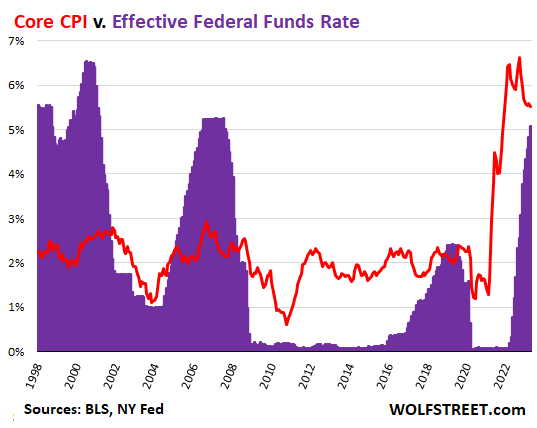
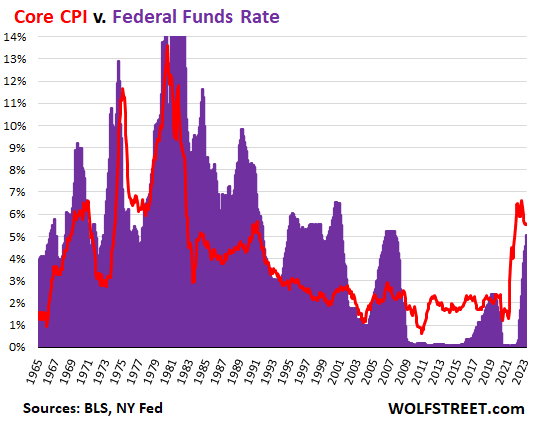
I will begin by offering a few thoughts on U.S. monetary policy. At our most recent meeting last week, in light of the ongoing unacceptably high inflation, the Federal Open Market Committee (FOMC) increased the target range for the federal funds rate by 25 basis points. With this increase, the FOMC has raised the federal funds rate by 5 percentage points since March of last year. These increases, combined with the runoff of our balance sheet, are having the desired effect of tightening financial conditions. In my view, our policy stance is now restrictive, but whether it is sufficiently restrictive to bring inflation down remains uncertain. Some signs of slowing in aggregate demand, lower numbers of job openings and more modest gross domestic product (GDP) growth indicate that we have moved into restrictive territory. But inflation remains much too high, and measures of core inflation have remained persistently elevated, with declining unemployment and ongoing wage growth. And, as senior loan officers signaled beginning last summer, credit has continued to tighten.2 I expect this trend will continue given increased bank funding costs and reduced levels of liquidity.
While the U.S. banking and financial system remains sound and resilient, the recent failures of three U.S. banks with unique risk profiles have added to the uncertainty surrounding the economic outlook. This uncertainty is further complicated by stock price movements among regional banks.
Should inflation remain high and the labor market remain tight, additional monetary policy tightening will likely be appropriate to attain a sufficiently restrictive stance of monetary policy to lower inflation over time. I also expect that our policy rate will need to remain sufficiently restrictive for some time to bring inflation down and create conditions that will support a sustainably strong labor market. Of course, the economic outlook is uncertain and our policy actions are not on a preset course. I will consider the incoming economic and financial data during the intermeeting period and its implications for the economic outlook in determining my view of the appropriate stance of monetary policy. I will look for signs of consistent evidence that inflation is on a downward path when considering future rate increases and at what point we will have achieved a sufficiently restrictive stance for the policy rate. In my view, the most recent CPI and employment reports have not provided consistent evidence that inflation is on a downward path, and I will continue to closely monitor the incoming data as I consider the appropriate stance of monetary policy going into our June meeting.
My remarks today will address the recent bank failures in the United States and how the evolution of the banking industry has influenced and amplified bank deposit run risk. I will then discuss supervision, regulation, bank management culture, and technology, and how each of these changes the dynamics of our approach to building a stronger and more resilient financial system. Finally, I will close with my views on the importance of approaching the future in a deliberate, evidence focused, and thoughtful manner.
The Evolving Context of Banking and Bank Failures
Those who are involved in the business of banking will not find this shocking, but it is a fundamental fact that banking involves risk. It is inherent in, and foundational to, the business of banking: banks take demand deposits—a short-term liability—and make term loans—creating a long-term asset. Absent this intentional risk-taking, banks could not play their indispensable role of credit provision in the economy. There are many other risks, with the specific risks that banks face today as varied as the wide range of bank business models. The most fundamental banking risks include credit, concentration, interest rate, liquidity, cybersecurity, more recently operational risk and, of course, the risk of contagion.
Banking simply cannot work in its current and historical form without risk, so unless the goal is to change the nature of banking, the task of policymakers and regulators is not to eliminate risk from the banking system, but rather to ensure that risk is appropriately and effectively managed. Fundamentally, this is the basis for the bank regulatory frameworks that exist around the world. In countries with well-functioning and appropriately regulated banking systems, banks serve an indispensable role in credit provision and economic stability. The goal is to create and maintain a system that supports prudent banking practices, and results in the implementation of appropriate risk management. No efficient banking system can eliminate all bank failures. But well-designed and well-maintained systems can limit bank failures and mitigate the harm caused by any that occur.
In practice, the “maintenance” of the bank regulatory and supervisory framework has often been challenging, in part because maintenance requires vigilance in responding to evolving circumstances and risks. Lapses in this effort are revealed when something breaks, which could include fragilities resulting from the emergence of unidentified risks and financial stability threats; banking practices that expose shortcomings in the supervisory framework; or policymakers, regulators, and/or examiners who have lost sight of the fundamental goal of encouraging prudent banking practices and appropriate risk management.
The need for maintenance of the U.S. bank regulatory and supervisory framework has come into stark relief with the failures of two large banks in March, followed by a third at the beginning of May. The future and current policy choices made in responding to these failures will have important consequences for the U.S. banking system. Including the extent to which bank regulation will continue to drive banking activities from regulated banks and into shadow banks. While shoring up the resiliency of the banking sector is important, it is also important that we consider the consequences of any regulatory change.
Before discussing the direction of policy, I think it’s imperative that we pause and consider where we are and what has changed.
The Failure of Silicon Valley Bank
As financial services have evolved to meet the demands and expectations of sophisticated and wealthy businesses and individuals, risks inherent in the very nature of these services—instant accessibility and transferability of funds—created the potential for instability at an extensive and accelerated scale. For Silicon Valley Bank in particular, while the run was ignited by traditional concerns, it was much faster than previous bank runs, was fueled by the most modern communication methods and social media, and was enabled through new technology that allows customers to move money on a scale and at a velocity not previously accessible directly to customers.
On Thursday, March 9, SVB experienced a deposit outflow of more than $40 billion, and more than $100 billion was anticipated in queue for outflow on Friday, March 10. Let’s consider this in comparison to past bank failures and the pace and size of deposit outflows. Prior to SVB, the largest bank failure in U.S. history was the failure of Washington Mutual, which experienced two periods of large deposit outflows, the first lasted 23 days with outflows of $9.1 billion, and the second $18.7 billion over 16 days.3 In other bank failures resulting from deposit runs, deposits flowed out of the bank in significantly smaller volumes and over much longer time horizons than SVB experienced on March 9 and 10.4
The recent bank runs have many familiar elements. SVB relied on funding from extremely large deposits of technology and health care sector firms, which were mostly uninsured (more than 95 percent) and held in transaction accounts. In traditional banking, uninsured depositors have historically been exposed to credit risk on their bank deposits, which provides some incentive for them to impose market discipline on the bank, such as by discouraging excessive risk-taking. As we were very recently reminded, a disproportionate percentage of uninsured depositors can also present risk, since they may have strong incentives to withdraw their funds at the slightest sign of actual or perceived bank stress. These dynamics and incentives are certainly not new but have featured prominently in past bank runs.5
The most significant shift has been one of speed. This is where modern technology has played a significant role, both in facilitating the transfer of funds and in the access to, and expedited flow of, information among depositors.
Evolving Technology and Customer Expectations
Back-end money transfer systems have been gradually shifting to real-time payments, which are immediately available to customers upon transfer, rather than being subject to a waiting period while it is processed between financial institutions. Many bank websites provide capabilities that appear to allow customers to initiate funds transfers in real time. Sophisticated customers that hold uninsured deposits also have tools at their disposal—like the ability to initiate wire transfers between financial institutions—that allow faster transfers of funds.
The capacity to initiate transfers, and even the changed perceptions of customers that they can move their funds at any time of day or night, have caused important structural shifts. Large depositors may have less incentive to act as a force for market discipline, even for banks where they hold large uninsured deposits in their operational accounts. These depositors have a cheaper and more efficient mechanism at their disposal to protect against credit risk—they can pull their money out in banking’s new normal. These changes have exacerbated the potential flight risks of uninsured deposits, while changing some of the incentives for depositors imposing market discipline.
Bank Runs and the Rumor Mill
The speed and size of deposit withdrawals were a feature, not a cause, of the recent U.S. bank failures. We live in a world where a wide array of communication tools—text messaging, group chats, and social media postings—have enabled expedited, if not always more accurate, dissemination of information.
The spread of information has always played an important role in bank confidence and bank runs. When information is more readily and quickly accessible and shared among shareholders, creditors, customers, and depositors, bank management needs to be attuned to how it communicates, especially when remediating identified weaknesses.
The failure of SVB illustrates this dynamic. Uninsured depositors were connected by a closely linked network of business relationships and contacts, and strong ties with venture capital fund investors. The flow of information among these depositors—and the mechanisms that pushed them to act collectively—seem apparent in retrospect, but the closely linked relationships among this group exacerbated the risks involved in SVB’s public communication of its remediation strategy.
But while the risk of uninsured depositors acting collectively was a significant vulnerability, communications from management caused this group to begin to withdraw their deposits on a massive scale and in a coordinated fashion. We know that there were many supervisory issues at SVB over several years. At the time the bank failed, it had been selling securities to improve liquidity and raising capital to address some of these fundamental weaknesses in its funding and liquidity. Simply the act of announcing that the bank’s management was taking steps to remediate these issues created panic—highlighting the risks they were confronting—and the panic spread quickly.
Social media has also played a role in fueling stock price volatility, which can lead to other risks to a bank. In October of last year, rumors circulated about Credit Suisse’s stock price conflating stock price with capital and liquidity strength. Despite Credit Suisse management’s efforts to intervene and calm markets, its stock experienced significant volatility, resulting in an increase in the spreads on the firm’s credit default swaps and a decrease in the value of its bonds. Credit Suisse had been dealing with significant issues for an extended period of time, but this incident highlighted how quickly investor sentiment can change in the age of social media.
Bank Culture and Mindset
A more subtle way we are seeing banking evolve is most evident in the “culture” of banking for those banks whose business models directly involve funders of startups, transformative new technologies, or novel activities like digital and crypto assets. For many banks, innovation has been a long-term priority because it enables them to offer customers new products and services and remain competitive in the current financial services environment.6 But regardless of the business model, the culture of a bank must also prioritize the values and rules that make banks successful over time. This includes not only being responsive to the needs of their customers and communities, but also maintaining a strong risk-management culture.
The expansion from traditional bank business models brings an influx of non-bankers into bank management. Over the past several years, there have been a number of charter-strip acquisitions, where a new management group transforms a traditional bank’s business model. And we have seen consistent growth in banking-as-a-service partnerships—where the bank partners with a nonbank company, often a fintech, to offer new products and services. Even without these external influences, bankers who leverage innovation as a significant aspect of their business model often have a mindset that is compatible with continued innovation and are less sensitive to regulatory and supervisory communications. I view these trends as part of a cultural shift within these banks.
Some innovators espouse an “ask for forgiveness, not permission” mentality when it comes to regulation and compliance. This is a particularly dangerous mindset when it comes to banking. Bank supervisors often rely on their interactions with bankers to communicate supervisory concerns. This enables supervisors to provide feedback to bank management before these issues escalate and are cited in examination reports and as Matters Requiring Attention (MRAs), Matters Requiring Immediate Attention (MRIAs), or enforcement actions. But bank management must be receptive to these supervisory messages and should take proactive measures to address the issues identified. This kind of proactive approach may not be the most natural reaction for those who have been successful in a less-regulated tech or start-up environment.
The Policy Response
Given the recent banking sector stress, it is clear that we need to review the bank regulatory and supervisory framework to determine whether updates are needed. As we consider potential changes to improve supervision and regulation, we should start from a baseline understanding of the available tools and determine whether those tools have been utilized and implemented effectively. Before regulators seek new tools, it is necessary to understand the need—how would the use of those new tools address deficiencies in the existing regulatory toolkit? Imposing additional requirements on regulated institutions without understanding this need results in additional costs and can have unintended consequences like encouraging bank consolidation and constraining credit availability to critical business activities or geographies. In addition to these unintended consequences, we also need to carefully consider the broader implications of regulatory change for financial stability.
The policy response to a crisis should be multifaceted, as changes to different elements of supervision and regulation in combination may be the most efficient and effective response. We should have no illusions that “getting it right”—finding the right combination of regulatory and supervisory changes—is a simple task. This fine tuning is a core element of maintaining an effective system, constantly re-evaluating whether our tools are effective and used appropriately.
There are a few specific areas where I see a need to revisit our approach, specifically in supervision, regulation, and technology.
Supervision
Starting with supervision, effective bank supervision requires both transparency in expectations, and an assertive supervisory approach when firms fail to meet these expectations.
In the past, I have spoken about the virtue of transparency in supervision.7 Transparency in supervisory expectations builds legitimacy, promotes a compliance culture, and is critical to ensuring that we preserve due process. Transparency between a bank and its examiners can be a profoundly effective tool by allowing bankers to air issues early with their examiners. This type of communication promotes understanding—of the bank and its operation by examination staff, and of regulatory expectations by the bank’s management and board of directors. Amorphous standards or standards that change without prior notice frustrate this goal.
If regulators are clear in our expectations with banks, and banks fail to meet those expectations, regulators are well-positioned to take strong action and demand remediation of supervisory issues. When a bank fails to promptly address identified issues, the bank and the banking system run the risk that those issues can become far more damaging over time. There is a significant cost to delay.
While the specific timelines for remediation of supervisory issues vary significantly across firms, the Board has published statistics on the number of and general nature of supervisory findings, and how those have evolved over time.8 Remediation of technology infrastructure, data, and operational resilience issues often take longer to address than those in other business areas or related to risk management.9 Some variability is reasonable as these issues vary in complexity. And, to the extent that a bank is reliant on third parties, core providers, or others to help remediate issues, providing sufficient remediation time can be necessary and appropriate.
Providing time to remediate issues should not be a pretext for inaction or inattention to important supervisory issues. Ultimately, one of the primary goals of supervision is to hold the bank accountable for safety and soundness and consumer compliance. Accountability is critical for both the bank and for supervisors. Where regulators have failed in supervision, we must hold ourselves accountable.
Part of the solution to inaction may simply be to take a stronger approach when examiners have identified deficiencies in need of remediation. But for some banks, management’s responsiveness to supervision—traditionally an area that rewarded conservative and prudent management—has changed, with a greater emphasis on innovation, especially those that promise to transform the business of banking.
These shifts impact supervision, in that we need to reevaluate the effectiveness of formal and informal enforcement mechanisms. If moral suasion as an informal tool is less effective, and bank management and boards are less attuned to hear and respond to supervisory messages, we need to reconsider our supervisory toolkit. This may mean taking more formal remediation measures, with definitive timelines, and imposing meaningful consequences for firms that fail to remediate issues in a timely way.
In addition to being transparent, supervision must be nimble and responsive because the financial services landscape and bank risks evolve over time. The low interest rate environment following the 2008 financial crisis shifted the supervisory focus away from interest rate risk to other risks, just as the current rising rate environment required supervisors to return to interest rate and emerging credit risk.10
Supervision must also complement regulation. While regulation is a critical tool, it operates with a significant lag for most developed banking systems. This is where supervision can complement regulation to address emerging threats and risks by allowing supervisors to pivot to those fundamental risks that may be most salient based on that bank’s business model and evolving economic conditions.
Regulation
In response to the recent bank failures, it is tempting to engage in a wholesale revision of the bank regulatory framework. Before changing rules, we need to take a critical look at actual weaknesses, and acknowledge the strengths that should be preserved.
As a threshold matter, today’s regulatory system is fundamentally strong. But as the Federal Reserve continues to carefully monitor developments and changes to the banking system, we must recognize that the regulatory framework has been transformed through a broad range of changes in response to the 2008 financial crisis. These changes have led to a strong and resilient banking system. Overall, our regulatory framework is also strong. This framework has materially increased bank capital and liquidity and added a number of other requirements to improve resiliency, including new stress testing and resolution planning requirements.
Following the 2008 crisis, the U.S. regulators implemented changes designed to improve the quality and quantity of bank capital. This included the introduction of common equity tier 1 (CET1) as a measure of the highest quality form of regulatory capital, and the capital conservation buffer. Today, large U.S. banks are also subject to additional capital requirements, based on the tiering framework. For all banks with over $100 billion in assets, the requirements include the stress capital buffer and a number of additional GSIB and large firm-specific requirements. The U.S. capital requirements are described as “gold plating” the standards set in the Basel III reforms.
This is today’s starting point, and it is strong. With the commitment of U.S. regulators to implement Basel III capital reforms, there will soon be additional changes to the capital framework.11 I would like to better understand the U.S. approach to these reforms before passing judgement, but if changes are implemented in a way that takes costs and benefits into consideration and preserves capital neutrality, in my view, these reforms could improve the capital framework.
Prior to 2008, there were also no standardized, quantitative liquidity requirements for U.S. banks and their holding companies. Today, there are two: the Liquidity Coverage Ratio, which supports short-term resilience by requiring banks to have liquidity to cover net cash outflows in a 30-day stress period; and the Net Stable Funding Ratio, which requires firms to maintain stable funding over a one-year time horizon. There are also internal liquidity stress testing and liquidity buffer requirements.
With this in mind, we should be careful and intentional about any significant changes to the regulatory framework, including imposing new requirements that will materially increase funding costs, like higher capital requirements or the requirement of firms to issue long-term debt. Many of the issues related to the recent bank failures have been identified in bank management and supervision. Therefore, a broad-based imposition of new capital requirements on all banks with more than $50 billion in assets would be a far more costly solution than taking the time to specifically identify and address known management and supervisory process issues. Relying on the timeless adage to guide us: if it ain’t broke, don’t fix it.
I do not mean to suggest that regulation has worked perfectly and needs no improvement or maintenance. I think where we find improvements are necessary, we should make them. But we should also be working toward a defined goal and verifiable end state that incorporates the principle of efficiency. And of course, regulation should be durable throughout the economic cycle. Our regulatory framework is extremely complex with many overlapping and sometimes contradictory requirements. Engaging in a piece by piece, regulation by regulation approach will likely have a similar outcome.
Technology
We should also review and update the Fed services available to support banking system resiliency. In payments, the Federal Reserve offers payments-related services including Fedwire® to facilitate wire transfers. In the U.S., the Federal Reserve serves as the “lender of last resort” to the banking system, providing loans at the discount window since the early part of the twentieth century.
These tools are important but are not effective mechanisms to rescue troubled institutions. Discount window lending is available only to institutions that meet certain minimum eligibility standards, and that have collateral available to pledge. Its function is to provide a solvent institution with a vital backup source of liquidity to meet unexpected customer outflows. Similarly, the ability to process fast, efficient payments can also facilitate effective market functioning, but its utility is limited.
In light of the extensive recent use of these tools and the lessons that can be learned, I think it is time to review these tools—which operate during limited, fixed hours and rely to some extent on dated technology—to determine whether they have kept up with the pace of change for the future payments landscape and expectations of liquidity planning. These tools must be nimble and flexible to support the banking system during times of stress. I think it is important that we understand how well these tools functioned in early March as two U.S. banks experienced stress and ultimately failed, and what can be improved regarding timeliness or effectiveness of fulfilling the lender of last resort function.
The Path Forward
My views on the path forward are informed by serving as the bank commissioner for the state of Kansas as its lead regulator and supervisor, my experience as a banker, and especially by my service on the Board of Governors since 2018, during a time when the banking system has experienced many unique stresses including those associated with the COVID pandemic. There have already been some preliminary and expedited internal reports published on the failures of SVB and Signature Bank, and I fully expect to see additional reports and analysis of these failures, and the failure of First Republic, in the coming months.12 These preliminary reviews are an important first step for the U.S. bank regulators working to identify root causes of these bank failures and holding themselves accountable for supervisory mistakes. There are additional steps that we can take.
First, I believe that the Federal Reserve should engage an independent third party to prepare a report to supplement the limited internal review to fully understand the failure of SVB. This would be a logical next step in holding ourselves accountable and would help to eliminate the doubts that may naturally accompany any self-assessment prepared and reviewed by a single member of the Board of Governors.13 This external independent report should also cover a broader time period, including the events of the weekend following the failure of SVB, and a broader range of topics beyond just the regulatory and supervisory framework that applied to SVB, including operational issues, if any, with discount window lending, Fedwire services, and with the transfer of collateral from the Federal Home Loan Banks.
Second, I believe we need to do a better job identifying the most salient issues and moving quickly to remediate them. It is clearly evident that both supervisors and bank management neglected key, long-standing risk factors that should be an area of focus in any examination. These include concentration risk, liquidity risk, and interest rate risk. We have the tools to address these issues, but we need to ensure that examiners focus on these core risks and are not distracted by novel activity or concepts.
Finally, we should consider whether there are necessary—and targeted—adjustments we should make to banking regulation. This will likely include a broad range of topics, including taking a close look at deposit insurance reform, the treatment of uninsured deposits, and a reconsideration of current deposit insurance limits.14 We should avoid using these bank failures as a pretext to push for other, unrelated changes to banking regulation. Our focus should be on remediating known, identified issues with bank supervision and issues that emerge from the public autopsy of these events.
A debate about regulatory changes must also consider where we are today as compared to prior to the 2008 financial crisis. The banking system is strong and resilient despite recent banking stress. The Fed has refined regulatory standards over time at the direction of Congress, most recently pursuant to the bipartisan Economic Growth, Regulatory Relief, and Consumer Protection Act,15 and through so-called “tailoring” regulations designed to better align regulation with risk. Even with the implementation of these changes, banks today are better capitalized, with more liquidity, and are subject to a new range of supervisory tools that did not exist prior to 2008. This paints a picture of a banking system that is not only strong today but is well prepared to continue supporting the provision of credit and the broader economy.
Calls for radical reform of the bank regulatory framework—as opposed to targeted changes to address identified root causes of banking system stress—are incompatible with the fundamental strength of the banking system. I am extremely concerned about calls for casting aside tiering expectations for less complex institutions, given the clear statutory direction to provide for appropriately calibrated requirements for these banks.
I have heard the drumbeat calling for broad, fundamental reforms for the past several years, shifting away from tailoring and risk-based supervision. I believe this is the wrong direction for any conversation about banking reform. The unique nature and business models of the banks that recently failed, in my view, do not justify imposing new, overly complex regulatory and supervisory expectations on a broad range of banks. If we allow this to occur, we will end up with a system of significantly fewer banks serving significantly fewer customers. Those who will likely bear the burden of this new banking system are those at the lower end of the economic spectrum, both individuals and businesses.
The American economy relies on a broad and diverse range of businesses supported by a broad and diverse range of banks. The elimination of regional banks from the US banking system would be devastating to businesses and communities across America. Especially for those regions whose communities are not sufficiently served by larger institutions.
I appreciate your time and engagement, and I look forward to discussing how the participants view these issues, and what it might mean for the future of banking in your financial systems.








 Chat now!