Australian CPI data due today, preview – RBA will be comforted, no rate hike next week

Australian CPI data due today, preview – RBA will be comforted, no rate hike next week

ANZ’s preview of the data due today and the implications for the Reserve Bank of Australia policy meeting on August 1:

  • We expect both headline (+6.2% YoY) and trimmed mean inflation (+5.9% YoY) to have moderated in Q2.
  • The RBA will likely take comfort that inflation appears to be falling in line with, or a touch faster than, its May forecasts. The RBA forecast Q2 headline inflation of 6.3% YoY and trimmed mean of 6.0%, each 0.1ppt above our forecast.
  • While the August meeting is live, an inflation outcome around our forecast would support our expectation that, on balance, an extended pause from the RBA is now most likely (including no move in August).

Earlier previews take an opposite view of the RBA meeting next week:

76% of corporate leaders say Japan’s economy is ‘expanding’

76% of corporate leaders say Japan’s economy is ‘expanding’

Business confidence has dramatically improved after COVID-19 was downgraded to the equivalent of seasonal flu.

An Asahi Shimbun survey of business sentiment among 100 major companies nationwide found that 76 viewed the domestic economy as “expanding” or “gradually expanding.”

The finding represents an increase of 30 companies from the previous survey last November.

Many corporate leaders are optimistic that economic activity and personal consumption are on the rise now that the novel coronavirus has lost its “scare” factor.

However, concerns remain about labor shortages and a slowdown in overseas economies that could impact Japan.

The Asahi Shimbun conducted the survey from July 3 to 14.

Seventy-five companies responded that the domestic economy is “gradually expanding.” One company said it is “expanding.”

Twenty-two companies viewed the economy as “at a standstill.” The figure was half that of the previous survey late last year.

When asked to choose up to two reasons for their assessment, most companies, 71, cited “personal consumption.”

Asked about the prospects for personal consumption over the next three months, 74 companies expected a “gradual recovery,” up from 44 in the previous survey.

“The mindset of consumers toward spending has improved,” said Taro Fujie, president of Ajinomoto Co. “We are at the beginning of a cycle where wage increases are linked to appropriate price hikes.”

Chiharu Fujioka, managing officer of Mitsui Fudosan Co., noted that hotel occupancy rates exceeded 80 percent, and that “the average daily rate is higher than in 2019 before the pandemic.”

In addition to the easing of pandemic-related restrictions on social activities, the influx of foreign visitors following the lifting of entry curbs is a positive factor.

Tatsuya Yoshimoto, president of J. Front Retailing Co., said that along with an increase in domestic travelers and foreign tourists, “customer numbers and sales at department stores and shopping centers have grown.”

“Business activity at large-scale stores near stations, which had been slow to recover, has also significantly improved,” he said.

Forty-three companies cited “capital investment” as a reason for their assessment.

Fifty-one companies answered that they will increase their domestic capital investment in the current fiscal year compared to the previous fiscal year.

Ichiro Ozeki, president of Secom Co., said his company has received many inquiries about access control systems.

“Investments in facilities aimed at improving work efficiency and saving labor are increasing amid growing labor shortages caused by the recovery from the pandemic,” he said.

On the other hand, senior officials of companies who view the domestic economy as “at a standstill” voiced concern about labor shortages and the slowdown of overseas economies.

“While demand for construction is strong, there are delays in projects due to a lack of manpower,” said Nobuaki Nara, president of Tokyo Steel Manufacturing Co.

Turning to the global economy, 51 companies took a cautious view, saying it is “at a standstill.”

Takahiro Mori, vice president of Nippon Steel Corp., said, “There are also downside risks, such as the tightening of monetary policy by central banks in the United States and Europe and the downturn in the Chinese economy.”

Canadian dollar struggles to rise alongside oil

Canadian dollar struggles to rise alongside oil

Commodities and some commodity currencies caught a bid after China policymakers signaled more stimulus would soon help their struggling recovery, but that didn’t help the Canadian dollar.  Canada’s largest export has seen oil prices catch a bid over the past month, while the loonie has appreciated but mainly been rangebound over the past week.  It looks like FX traders are locked in with the Fed day.  USD/CAD has been consolidating between the 1.3150 to 1.3250 range over the past week.  If risk appetite remains in place post-FOMC decision, the Canadian dollar could make a run towards the 1.3000 level.  A hawkish surprise by the Fed could support an initial above 1.3250 , with 1.34 providing short-term resistance.

Oil

Crude prices are rising after the IMF raised their World GDP forecast from 2.8% to 3%.  The outlook for global growth is the key for the crude demand outlook and right now it seems that might only get better as we get more stimulus out of China and as soft landing hopes grow for the US.  WTI crude will likely face key resistance from the $80 level, which means the recent rally might consolidate until we get beyond the FOMC decision.

Gold

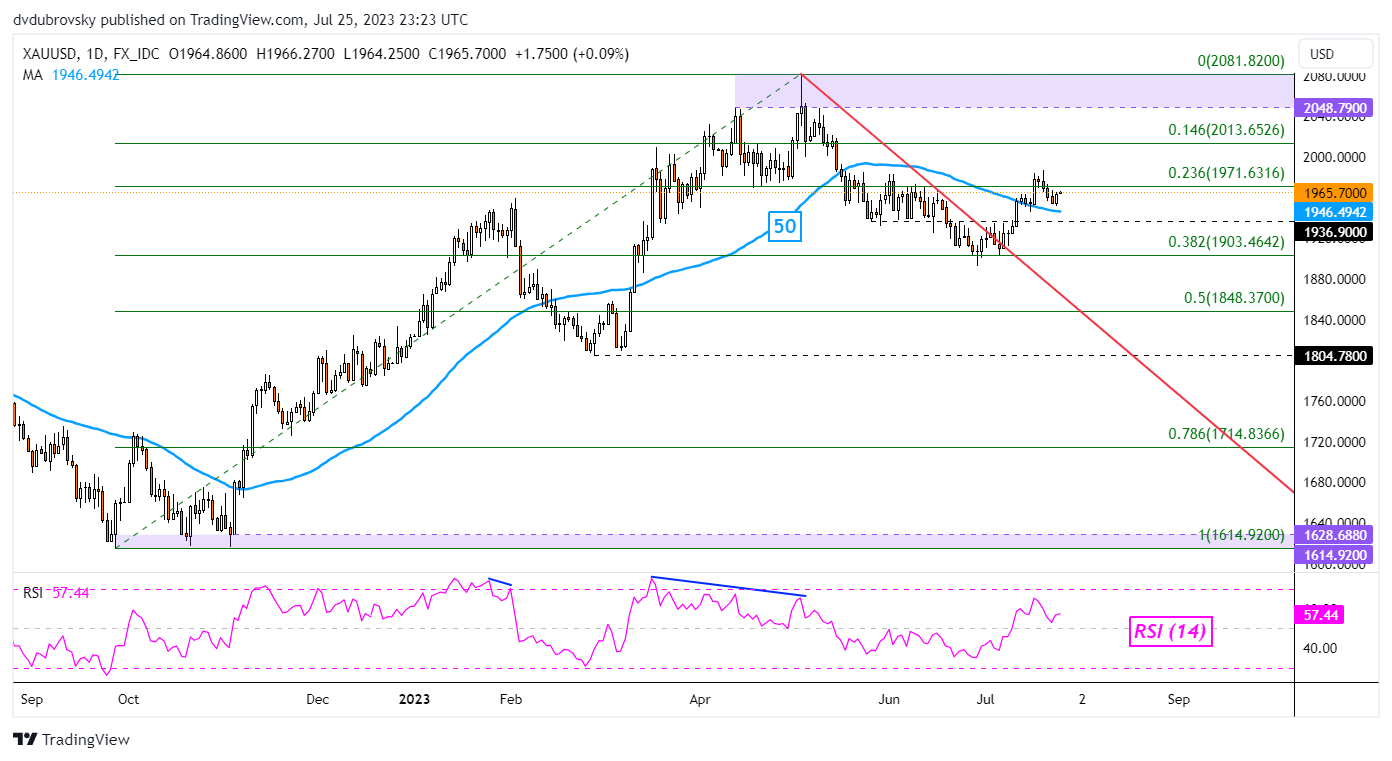
Gold prices are wavering ahead of the FOMC decision, slightly higher on the day as the $1950 level provides key support.  Gold is going to wander around for the next 24 hours as nothing else really matters except the Fed.  Massive earnings might provide a key catalyst for risk-appetite, so bullion traders might want to pay attention to what happens to Microsoft and Alphabet earnings.


UK Billionaire Joe Lewis Faces US Insider Trading Charges

UK Billionaire Joe Lewis Faces US Insider Trading Charges

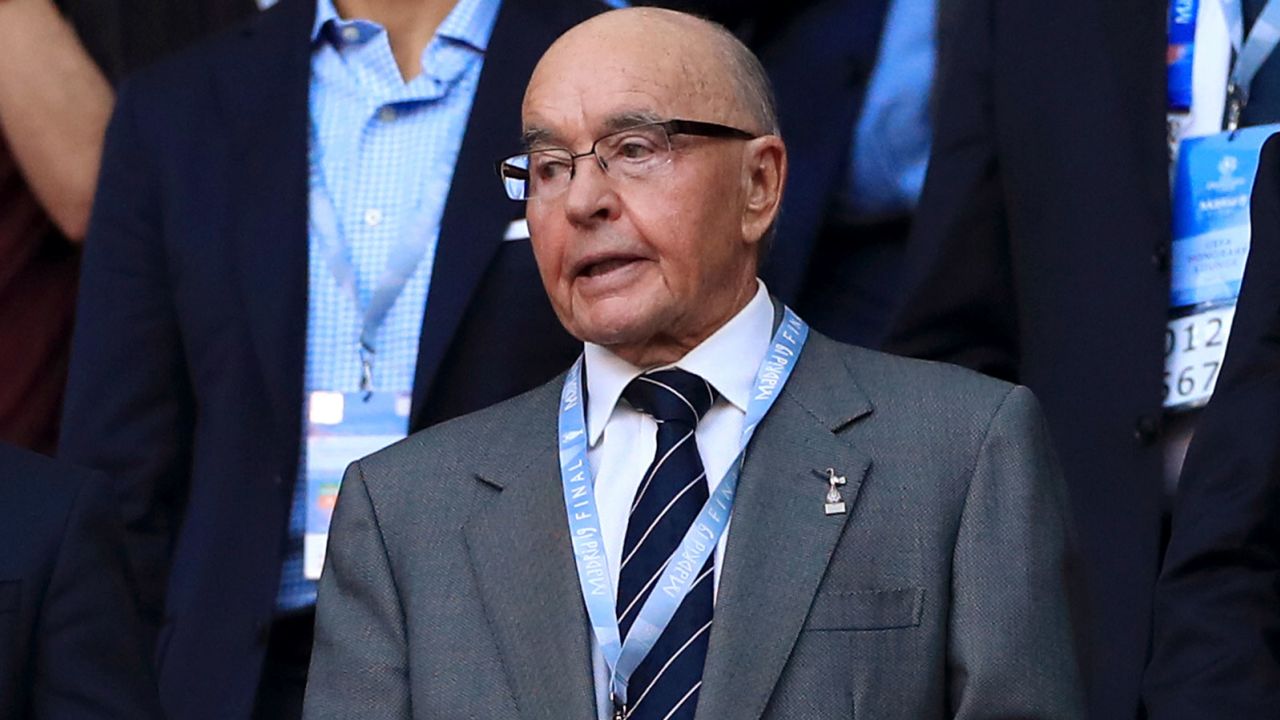
British billionaire Joe Lewis, the owner of the Tottenham Hotspur soccer club in London, has been charged with insider trading in the US.

Federal prosecutors alleged in an indictment in New York that the 86-year-old passed on inside information from companies in which he was a large investor to friends, including his personal pilots, assistants, and romantic partners. Lewis, the founder of investment firm Tavistock Group, faces more than a dozen charges, including securities fraud.

“None of this was necessary, Joe Lewis was a wealthy man,” Damian Williams, the US Attorney for the Southern District of New York, said in a statement Tuesday. “But as we allege he used inside information as a way to compensate his employees or shower gifts on his friends and lovers.”

Prosecutors didn’t announce Lewis’s arrest with the indictment.

“The government has made an egregious error in judgment in charging Mr. Lewis, an 86-year-old man of impeccable integrity and prodigious accomplishment,” Lewis’s lawyer David M. Zornow said in a statement. “Mr. Lewis has come to the US voluntarily to answer these ill-conceived charges, and we will defend him vigorously in court.”

Prosecutors claim Lewis was engaged in insider trading for eight years, passing on material non-public information about several companies, including Solid Biosciences, Australian Agricultural Co. and Mirati Therapeutics. In one instance, Lewis allegedly loaned his pilots $500,000 each so they could buy shares before a company’s clinical trial news became public.

Click here to read the indictment.

A call and email to Tavistock’s media team after hours weren’t immediately returned. Tottenham didn’t immediately respond to an emailed request for comment.

Lewis, who has a net worth of $6.6 billion according to the Bloomberg Billionaires Index, is the latest figure to be swept up in an insider-trading crackdown led by federal prosecutors in Manhattan. Last month, prosecutors announced criminal charges against 10 people in four separate cases, including investors in a special acquisition company poised to take Donald Trump’s fledgling media company public.

Read More: Trump SPAC Investors Charged in $22 Million Insider Scheme

But Lewis is the highest-profile investor the office has prosecuted for insider trading this year. The Bahamas-based businessman’s firm has stakes in more than 200 businesses, with investments across real estate, hotels and sports, in 13 countries.

Prosecutors also accuse Lewis of defrauding the US Securities and Exchange Commission and Mirati Therapeutics, by hiding his true ownership of shares through shell corporations and false filings.

For several years, authorities say, Lewis used his access to corporate boardrooms to tap valuable information and leak it to his associates before it became public. In 2019, members of Australian Agricultural’s board of directors told Lewis the company had suffered material losses following widespread flooding and that insurance wouldn’t cover its cattle losses.

According to the indictment, Lewis called his two personal pilots, tipped them to the material non public information and told them to sell their stock in the company immediately.

In the same year, he allegedly told his girlfriend in South Korea to purchase shares of Solid Biosciences, a biotech company, after learning about an upcoming private investment and clinical trial. The girlfriend paid $700,000 — “nearly all of her available funds” — to purchase 150,000 shares, according to the indictment. She sold the shares and made a $849,000 profit, prosecutors said.

Lewis also tipped two personal assistants working aboard his 322-foot (98-meter) superyacht “Aviva” to invest in special purpose acquisition company, BCTG, as the stock could “double, triple or even quadruple,” according to the indictment.

Before climbing the billionaire’s list, Lewis built a small fortune with a themed restaurant chain and then pivoted to currency trading in the late 70s. He made hundreds of millions betting against the British pound and Mexican peso in the 90s. He used his investment vehicle, Tavistock Group, to diversify into real estate, sports, luxury hotels and biotech.

Lewis is widely known in his home country for his stake in the Spurs, a North London Premier League soccer club.

In the US, Tavistock’s investments include the Boston Waterfront redevelopment, the Wellington Equestrian and Golf Club near Palm Beach, Florida, and the St. Regis hotel in Atlanta, Georgia, according to the company’s website.

Along with singer Justin Timberlake, golfers Tiger Woods and Ernie Els, Lewis also owns the exclusive Albany Bahamas Club, an enclave for the ultra rich that was home to former FTX founder Sam Bankman-Fried before his arrest last year.

An avid art collector, Lewis sold a David Hockney piece for $90.3 million in 2018 — setting a record at the time for the most expensive piece by a living artist to sell at auction.

USD/JPY, EUR/JPY Carefully Ready In front of National Bank Week

USD/JPY, EUR/JPY Carefully Ready In front of National Bank Week

FUNDAMENTAL BACKDROP

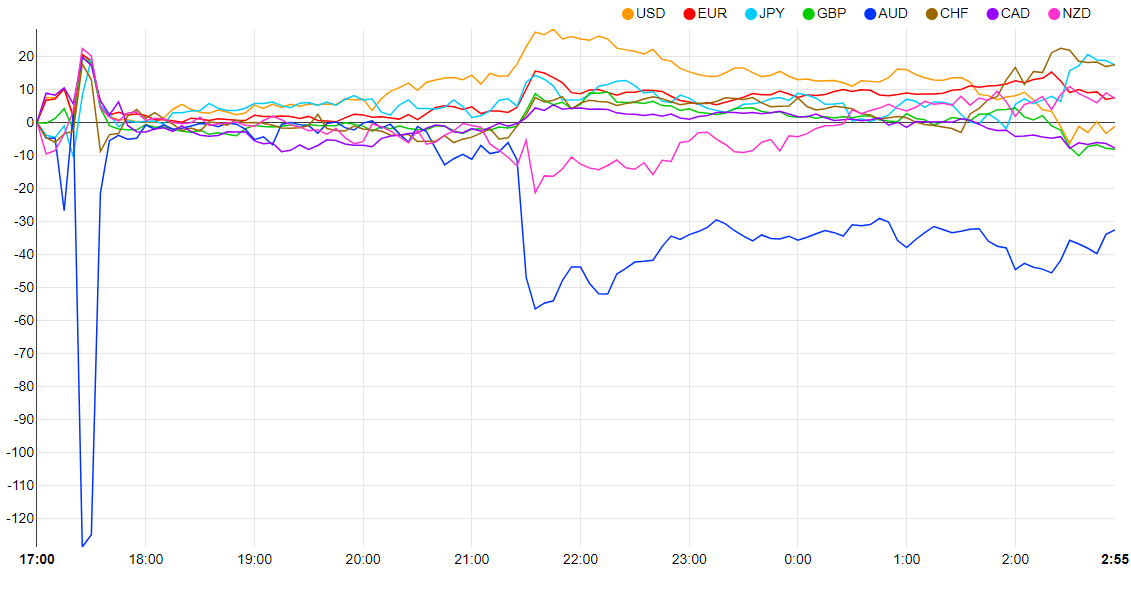
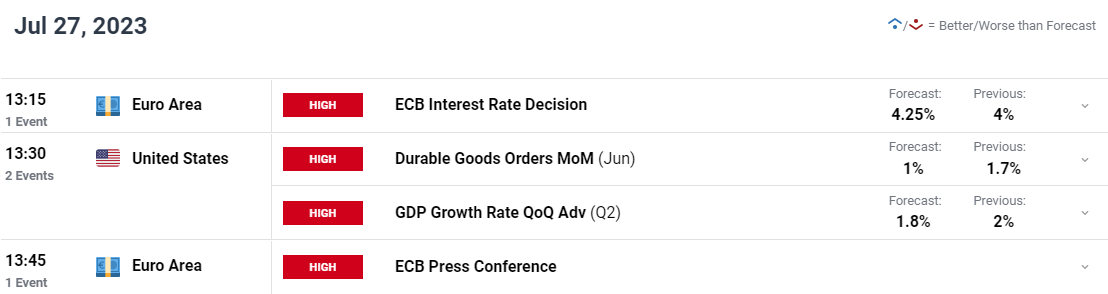
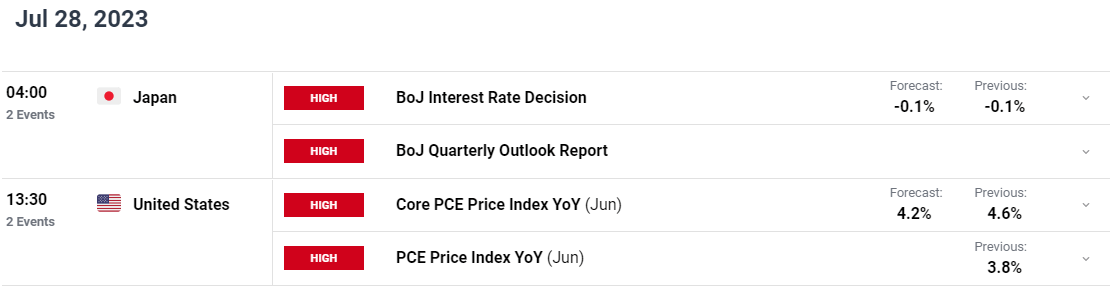
The Japanese Yen has enjoyed a positive start to the week as both EURJPY and USDJPY continued their retreat from last week’s highs. Not much has changed from a Yen perspective with a slew of Central Bank meetings likely seeing investors adopt a more cautious approach as well as cutting positions in order to limit exposure. Looking at the currency chart below and we can see how closely matched the currencies are as we approach the beginning of a busy 2-week period for markets and monetary policy which could shape the rest of 2023.

Currency Strength Chart Strongest: CHF Weakest: AUD

image1.png

This morning the Japanese Cabinet Office published their monthly assessment on the economic conditions, noting a rise in business sentiment for the first time in 7 months. The Cabinet office were quick to stress that the economy is picking up something that was evident with the recent trade surplus in June which bodes well for the BoJ as they look to improve wage growth.

The talk around FX intervention as well continues to rumble on and is likely to keep the yen supported in the interim. Governor Ueda this morning reiterated his support for accommodative monetary policy for firms while noting the improvement in overall sentiment. The Governor did touch on the topic of Yield Curve Control noting that the long-term yield rate remains stable while attributing the volatility in USDJPY to interest rate differentials. Not a lot of change as mentioned ahead of the Central Bank meetings.

Looking at the Euro and the US Dollar and things become a bit more interesting with both Central Banks expected to deliver 25bp rate hikes this week. However, the question on the lips of market participants is “one and done”? Will we finally see a more dovish European Central Bank (ECB) as policymakers have hinted at of late or will the ECB maintain a hawkish rhetoric in a bid to keep the Euro higher for now. The recent signs of a slowdown in the Euro Area economy may present the ECB with some food for thought in this regard as inflation appears to be on its way down.

The US Federal Reserve (Fed) faces a similar challenge with market participants leaning toward the idea that this will be the end of the hiking cycle. The Dollar has been on a downward trajectory for much of 2023 with any dovish signs likely to weigh on the dollar and could be the start of a new leg to the downside which should help the Yen recover some recent losses against the greenback.

A close-up of a white background  Description automatically generatedimage3.pngA screenshot of a computer  Description automatically generated

PRICE ACTION AND POTENTIAL SETUPS

EURJPY

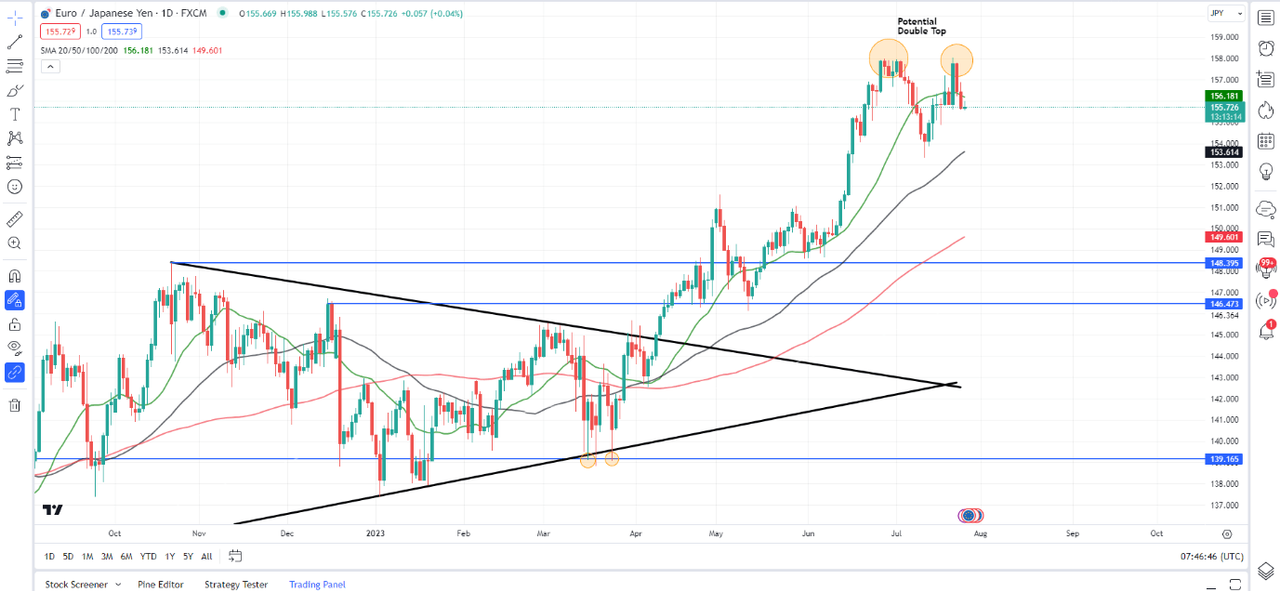
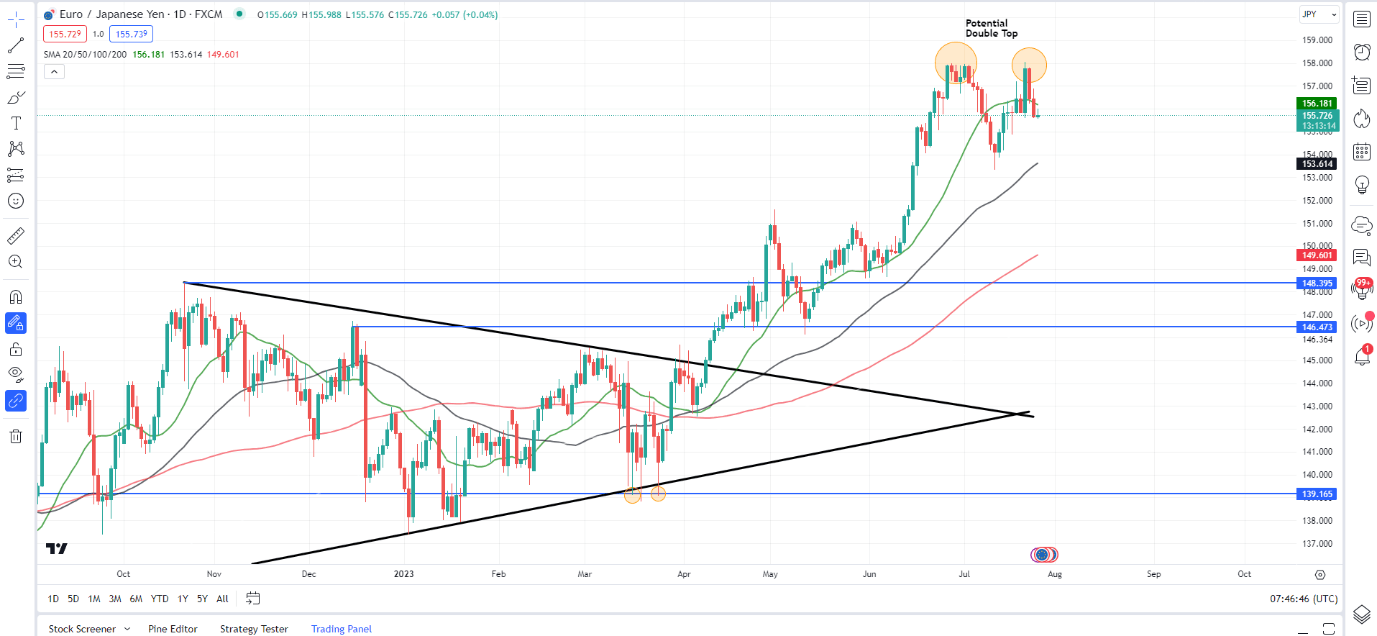
Analysis of EURJPY at present is tricky as we trade at levels last seen in 2008. EUR/JPY has however printed a double top pattern with yesterday’s daily candle closing below a key support area around the 155.80 and below the 50-day MA.

Further downside appears to be the path of least resistance at this stage with flows into the Euro likely to remain limited ahead of the ECB meeting. A continuation of the downward momentum could bring the 100-day MA resting at 153.600 into focus as we have yet to test the breakout area around the 151.00 mark.

EUR/JPY Daily Chart

image5.png

USDJPY

USD/JPY Daily Chart

image6.png

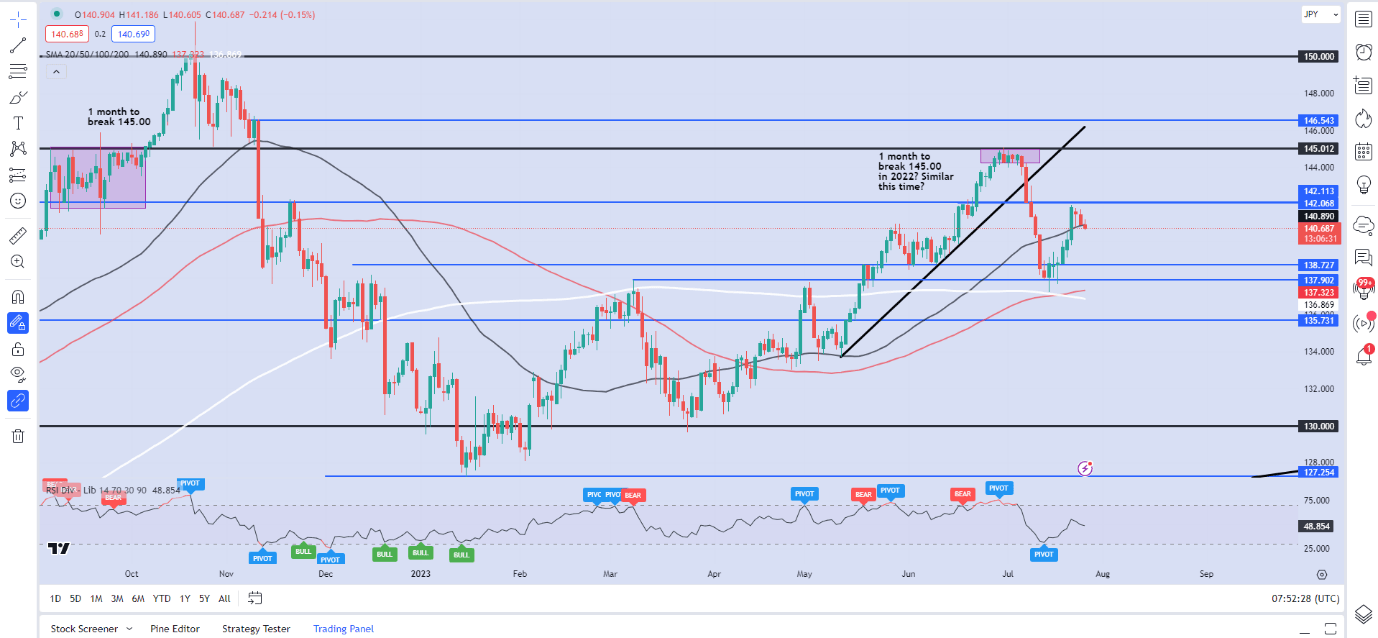
From a technical perspective, USD/JPY is currently making its way below the 50-day MA with the 140.00 psychological level firmly in sight. The rally to the upside at the back end of last week found resistance at the 61.8% fib retracement level and the 142.00 resistance area. Given the macro backdrop and barring a hawkish Fed surprise I could see a push below the 140.00 on USDJPY toward the 100 and 200-day MAs resting at 137.30 and 136.85 respectively.

Taking a look at the IG client sentiment data and we can see that retail traders are currently net SHORT on USDJPY with 63% of traders holding short positions (as of this writing). At DailyFX we typically take a contrarian view to crowd sentiment meaning we could see USDJPY prices continue to rise following a short pullback.

Canadian Dollar Estimate: as USD/computer aided design Finds Backing, Retail Brokers are Becoming Negative

Canadian Dollar Estimate: as USD/computer aided design Finds Backing, Retail Brokers are Becoming Negative

Following a string of losses, the US Dollar appears to be stabilizing against the Canadian Dollar of late. In response, retail traders have responded by increasing downside exposure in USD/CAD. This can be seen by taking a look at IG Client Sentiment (IGCS). This gauge often acts as a contrarian indicator. With that in mind, is the Canadian Dollar about to relinquish some of its progress against the Greenback?

USD/CAD Sentiment Outlook – Bullish

The IGCS gauge shows that about 64% of retail traders are net-long USD/CAD. Since the majority of them remain biased higher, this suggests that prices may continue lower down the road. However, downside exposure has increased by 2.08% and 18.47% compared to yesterday and last week, respectively. With that in mind, recent changes in positioning hint that the current price trend may soon reverse higher.

USD/CAD Sentiment Outlook - Bullish

Canadian Dollar Daily Chart

With that in mind, what are key levels to watch for in USD/CAD looking ahead? Immediate resistance appears to be the combination of a near-term falling trendline from May and the 1.3226 inflection point. A breakout higher would expose the July 7th high of 1.3387. That said, even a push upwards towards this point will not be enough to overturn the broader bearish technical bias.

That is being maintained by another falling trendline, which is from March – see chart below. Breaking above this point would offer a stronger bullish bias, especially if retail traders continue to increase bearish USD/CAD exposure. Otherwise, a turn lower from here places the focus on immediate support. That is a range between 1.3093 and 1.3139. Clearing under places the focus on the September low of 1.2954.

Canadian Dollar Daily Chart

Blended Appearing in Huge Tech Results, With everyone’s Eyes on FOMC Meeting Straightaway: Microsoft, AUD/NZD, US Dollar

Blended Appearing in Huge Tech Results, With everyone’s Eyes on FOMC Meeting Straightaway: Microsoft, AUD/NZD, US Dollar

Wall Street saw a drift higher overnight (DJIA +0.08%; S&P 500 +0.28%; Nasdaq +0.61%), but after-market moves were more subdued following Microsoft and Alphabet’s result releases.

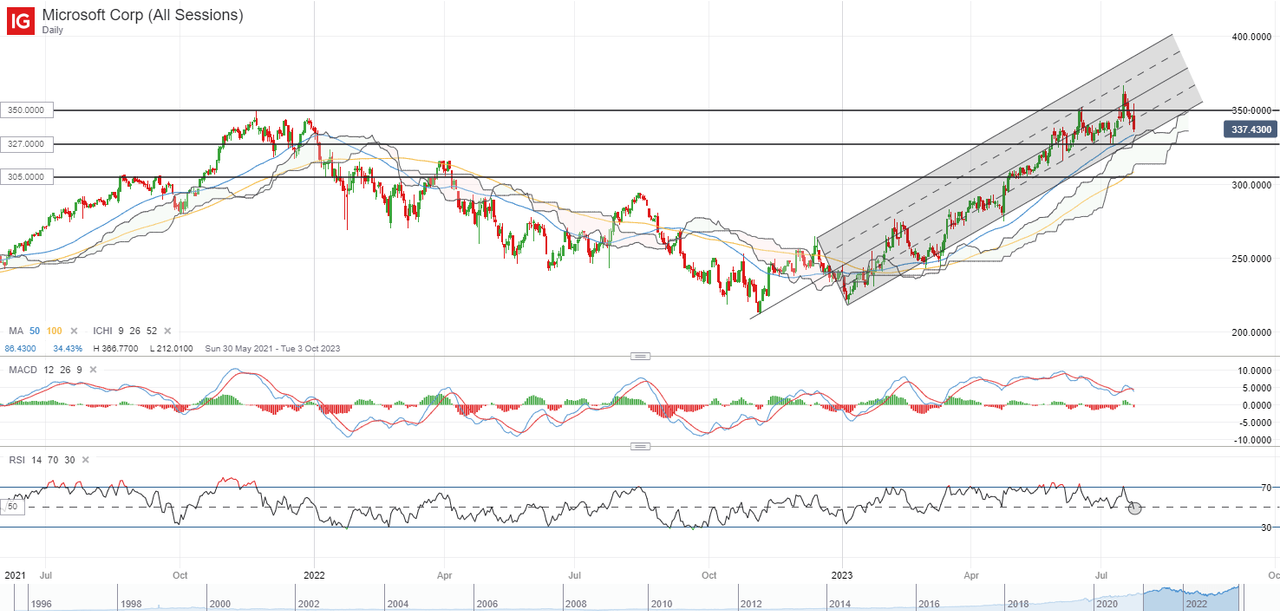
Both big tech companies beat top and bottom-line estimates, but market participants are finding some unease with the weaker-than-expected revenue guidance from Microsoft, which overshadowed its current Q4 resilience. Continued weakness in the PC market was to be blamed, likely to be cushioned by consistent growth momentum in its Intelligent Cloud segment, but coming off a 46.5% year-to-date rally, much may be priced for perfection. Its share price is down 4% after-hours.

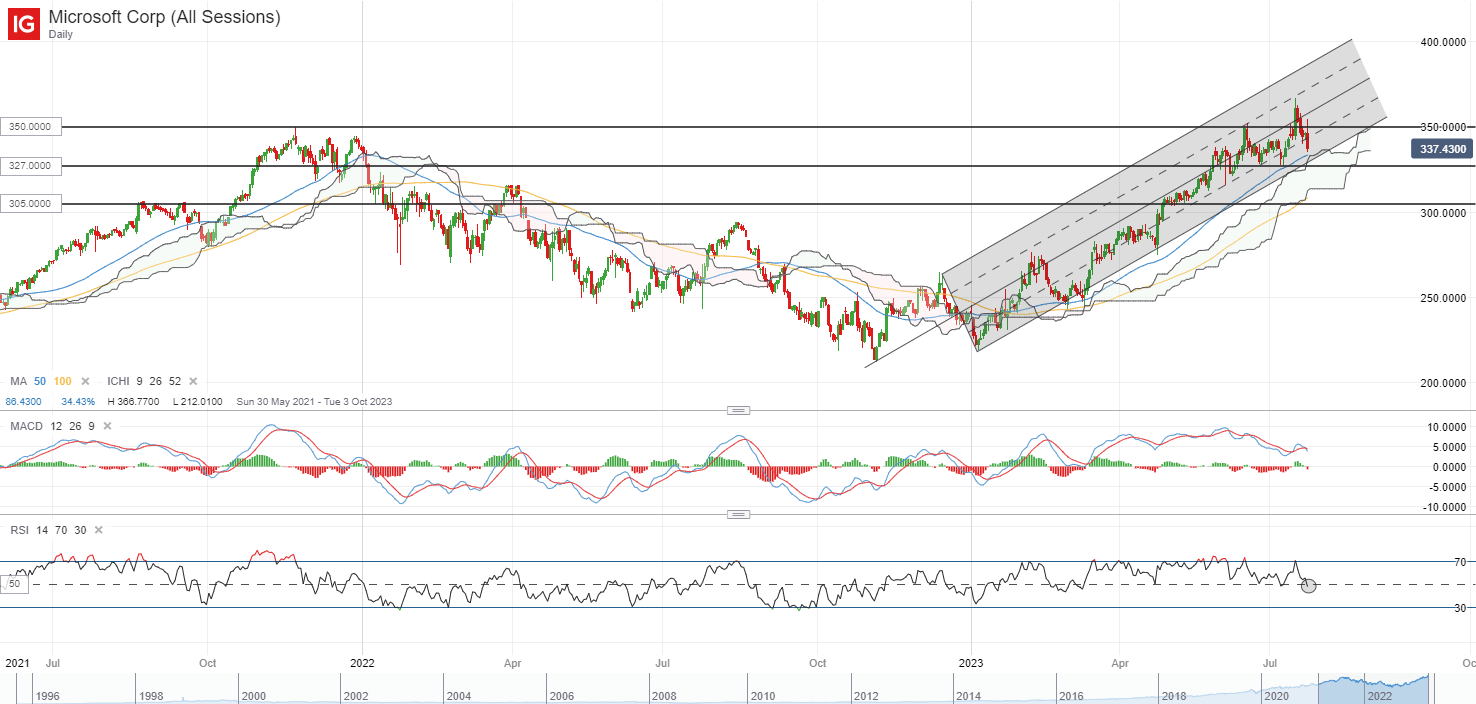
The US$327.00 level could serve as a key support confluence level (trendline support, 50-day MA, Ichimoku) to hold in the near term, with the broader trend still leaving the formation of any new higher low on watch. But for now, some defending will have to come from buyers tonight, as its relative strength index (RSI) is flirting with the key 50 level. Past three interactions since April this year were met with some support, so one to watch if it can hold this time round as well.

image1.png

On the other hand, Alphabet managed to surprise on a stronger-than-expected rebound in advertising and steady growth in its cloud-computing unit, which may validate the resilience in economic conditions thus far. Improving year-on-year revenue growth for the second straight quarter also provides some conviction for the worst-is-over view, with further recovery expected over coming quarters.

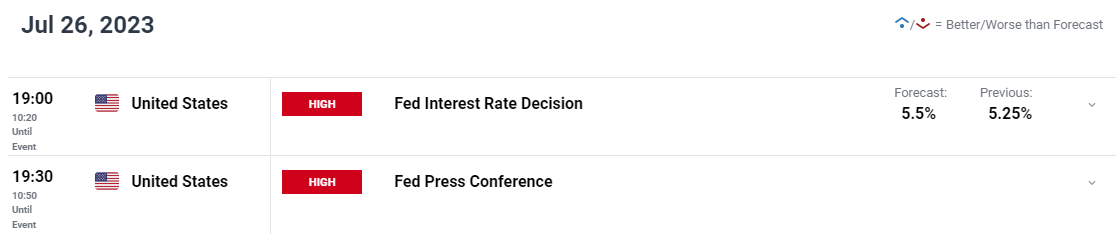
Ahead, all eyes will be on the Federal Open Market Committee (FOMC) meeting outcome. The Fed funds futures suggest that a 25 basis-point (bp) hike has been fully priced, but expectations for subsequent rate path remain misaligned with policymakers’ views. Broad market pricing are looking for an extended rate pause through the rest of the year, while Fed officials could likely leave the door open for one more rate hike in the September or November meeting. Interpretation of the Fed’s rate path will revolve heavily around Fed Chair Jerome Powell’s press conference.

Asia Open

Asian stocks look set for a subdued open, with Nikkei -0.34%, ASX +0.13% and KOSPI -0.54% at the time of writing. Chinese equities have a strong positive reaction yesterday to China’s recent stimulus pledge, with the Hang Seng Index up 4.3% in a single trading session. But much will still depend on the Politburo meeting outcome for any follow-through, with strong stimulus hopes in place also providing room for disappointment if the stimulus details were to lack conviction.

The economic calendar will leave Australia’s Q2 inflation rate on the radar. Despite keeping its rate on hold at the previous meeting, the Reserve Bank of Australia (RBA) has shown a clear intention to be on the lookout for incoming data to guide its next decision. Off the back of recent firm labour data, rate expectations saw a hawkish build-up for another 25 bp hike from the central bank over coming months, but better-than-expected progress in inflation may likely challenge that. Current expectations are for headline inflation to fall to 6.2% YoY from 7%. The RBA’s preferred measure of core inflation, the Trimmed Mean, is expected to fall to 6.0% YoY from 6.6% previously.

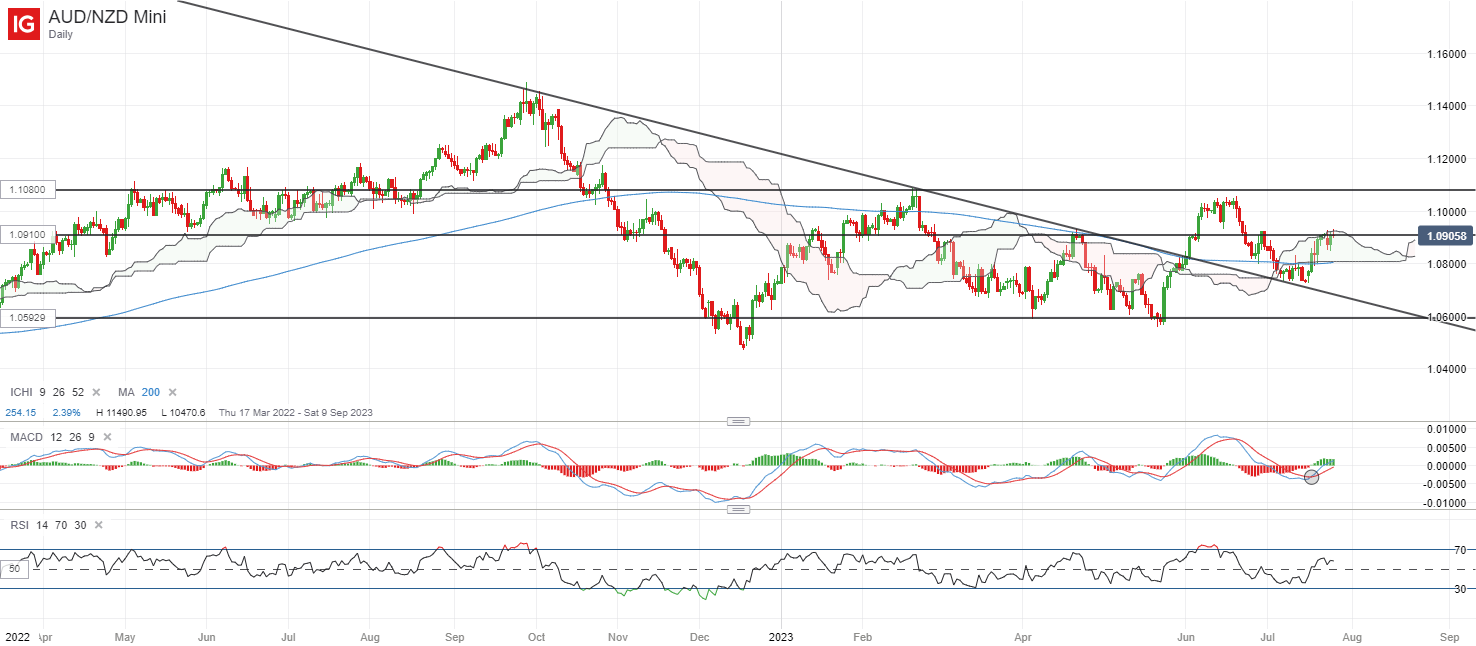
Perhaps one to watch may be the AUD/NZD, which has recently bounced off a resistance-turned-support trendline but is currently hovering just below its 1.091 level of resistance. A move in the RSI back above the 50 level marked an attempt for buyers to retain control, as moving average convergence/divergence (MACD) attempts for a cross above the key zero line. Any successful move above the 1.091 level could potentially pave the way to retest its year-to-date high at the 1.108 level next.

image2.png

On the watchlist: US dollar on watch in the lead-up to the FOMC meeting outcome

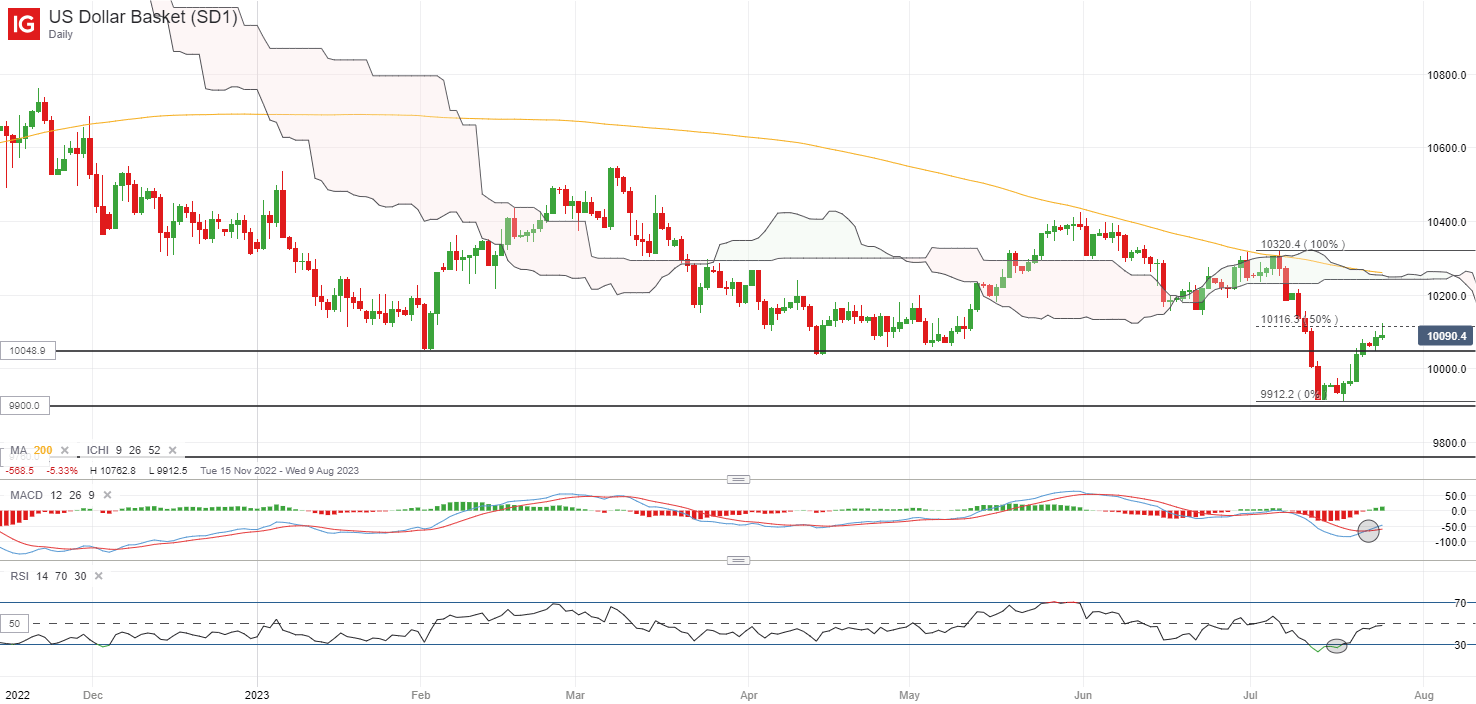
The US dollar has attempted to reclaim its key psychological 100.00 level ahead of the FOMC meeting outcome but some reservations are still in place, with a bearish shooting star candle in formation on the daily chart overnight. This follows after a retest of the 50% Fibonacci retracement level from the recent sell-off. The recent CFTC data also revealed that the aggregate dollar positioning versus G10 currencies have headed further into net-short territory last week, turning in its highest net-short positioning since June 2021.

While the Fed is likely to keep the door open for another rate hike after July, we are still nevertheless treading in the final phase of the Fed’s hiking cycle. A hawkish tone from the central bank could be supportive of the US dollar, but given the broader downward trend on lower highs and lower lows, any upside could still leave any formation of a new lower high on watch. Near term, the 101.30 may serve as immediate resistance to overcome, while on the other hand, failing to hold the key 100.00 level could pave the way back towards its July low at the 99.20 level for a retest.

On the watchlist: US dollar on watch in the lead-up to the FOMC meeting outcome

Gold Costs Rise, yet Took care of Seat Powell Will Probably Keep Life Hard for XAU/USD

Gold Costs Rise, yet Took care of Seat Powell Will Probably Keep Life Hard for XAU/USD

Gold prices rallied over the past 24 hours heading into Wednesday’s highly anticipated FOMC rate decision. Chairman Jerome Powell and company are widely expected to raise benchmark lending rates to a zone of 5.25% – 5.50% following a pause at the previous meeting. This has been amidst US economic resilience to this monetary tightening cycle.

According to the Citi Economic Surprise Index tracking the United States, the gauge sits at 70.30. That is around highs from April 2022. The more positive the reading is, the more that means economic data has generally been outperforming expectations and vice versa. In fact, the index bottomed in the summer of 2022 when it was deeply negative. Since then, it has been steadily rising.

Meanwhile, even though headline inflation has eased without causing a surge in unemployment, core CPI readings remain sticky. These exclude volatile components, such as food and energy prices. As such, the Fed is likely to keep the door open to further tightening if necessary as it is likely too early to conclude that the fight against inflation is over.

This will likely continue pouring cold water on expectations of a pivot, which surged after Silicon Valley Bank collapsed in March. But, thus far, the economy has for the most part remained unscathed. There is a weak consensus of a further hike to 5.50% – 5.75% by year-end. More importantly, financial markets have essentially fully priced out cuts this year.

What does this mean for gold heading into the Fed? Well, reluctance from the central bank to hint at easing and instead, focus on keeping policy tight should uphold Treasury yields. For non-yield-bearing gold, that would make its life difficult. XAU/USD remains at the same level as it was in July 2020. So much for it being an inflation hedge.

Gold Technical Analysis

On the daily chart, XAU/USD remains above the near-term falling trendline from May. Gold found fresh resistance at the 23.6% Fibonacci retracement level of 1971. Meanwhile, immediate support is the 50-day Moving Average (MA). Breaking lower would place the focus on the 38.2% level at 1903. Otherwise, extending higher places the focus back on the 2048 – 2081 resistance zone.

XAU/USD Daily Chart

XAU/USD Daily Chart

Australian Dollar Sinks on Harmless CPI Information. Where to for AUD/USD?

Australian Dollar Sinks on Harmless CPI Information. Where to for AUD/USD?

The Australian Dollar gave up overnight gains in the aftermath of headline CPI of 6.0% missing forecasts of 6.2% year-on-year to the end of June and against 7.0% previously.

Australia’s S&P/ASX 200 equity index got a boost on hopes that the RBA might be near the end of its tightening cycle.

The June quarter-on-quarter headline CPI was 0.8% rather than the 1.0% anticipated and 1.4% prior.

The RBA’s preferred measure of trimmed-mean CPI was 5.9% year-on-year to the end of June instead of estimates of 6.0% and 6.6% previously.

The trimmed mean quarter-on-quarter CPI read of 1.0% was below the 1.1% forecast and 1.2% for Q1.

Going into today’s data, the interest rate futures markets ascribed around a 40% probability of a 25 basis-point hike by the RBA at their monetary policy meeting next Tuesday. The dial moved only slightly toward a less chance post-CPI.

Later this week PPI and retail sales data will also be released. Last week saw another blistering jobs report with the Australian unemployment rate running near 50-year lows of 3.5%.

Elsewhere, the International Monetary Fund (IMF) raised its forecast for global GDP growth in 2023 from 2.8% to 3%. The Australian economy and currency are linked to the outlook on global activity due to many of its exports expanding and contracting depending on external demand.

The good news from the IMF compounded a rosy regional perspective after China’s Politburo made a series of pro-growth statements earlier in the week.

The early part of this week saw the Aussie Dollar rally with the US Dollar coming under pressure ahead of the Federal Open Market Committee (FOMC) meeting later today.

Today’s move in AUD/USD has erased most of those gains. The RBA meeting next Tuesday will be the key domestic focus for Australian Dollar financial products.

AUD/USD TECHNICAL ANALYSIS

After a stellar rally to start the week and then a collapse today, AUD/USD remains in the five-month trading range of 0.6459 – 0.6900.

A Double Top was formed a fortnight ago as discussed here at the time. A break above 0.6920 would negate the pattern, but if it stays below that level, potential bearishness may continue to evolve.

Resistance could be at the prior peaks in the 0.6900 and 0.6920 zone ahead of possible resistance in the 0.7010 – 0.7030 area.

On the downside, support might be near the recent low of 0.6715 which is amongst several daily Simple Moving Averages (SMA).

The dip lower to start this week was unable to penetrate below the 200- and 260-day SMAs and the 0.6690 – 0.6740 might continue to lend support. A clean break below 0.6690 might reveal bearish momentum.